Loading Curie Briefs...
Getting the latest healthcare news for you
Getting the latest healthcare news for you

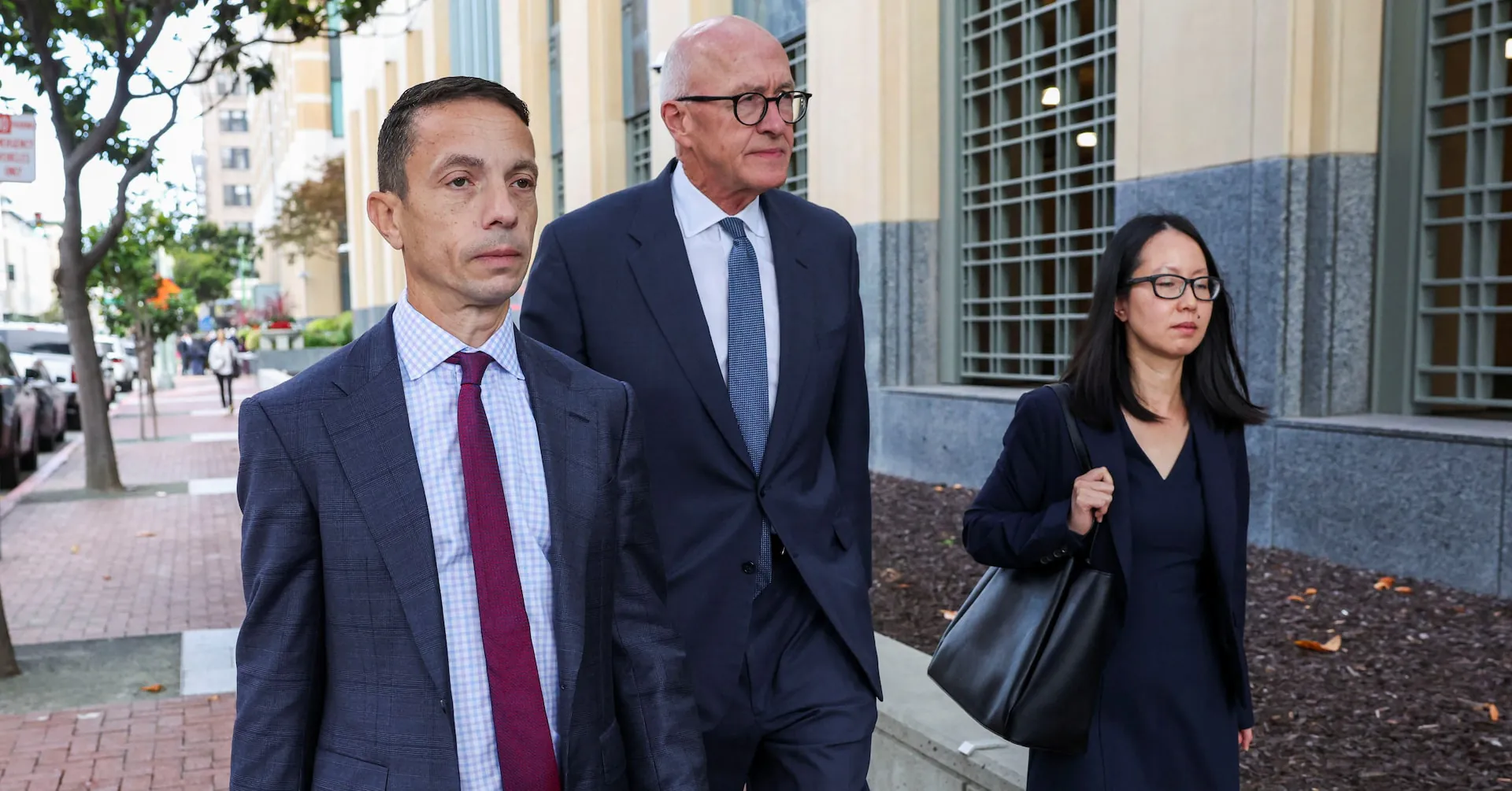
Meta settled with a coalition of U.S. states for up to $18 billion over teen safety concerns, but a key whistleblower says the deal doesn't meaningfully fix the underlying harms. Former Meta safety engineer Arturo Bejar warned the agreement largely codifies "safety theater," with remedies like hiding like counts already shown internally to have minimal impact on teen well-being.
Meta has reached an up to $18 billion settlement with a coalition of U.S. states over allegations that its platforms harmed teen mental health — but not everyone is convinced it goes far enough. Former Meta safety engineer Arturo Bejar, whose whistleblower testimony helped build the case, says the deal fails to address the core problems he testified about, warning it could simply codify the "safety theater" Meta has practiced for years.
The settlement includes measures like hiding like counts, parental controls, daily screen time caps, and better detection of underage users. However, internal Meta research — including a 2020 presentation to Mark Zuckerberg — showed that hiding likes had "at most a modest impact" on user well-being. Mental health experts offered a mixed verdict: Dr. Jane Conron of Northwestern University noted the opt-in non-algorithmic feed would likely go largely unused, but said daily time limits could genuinely help some teens who struggle to disengage.
Key Takeaways:
Why it matters: For healthcare providers treating adolescent mental health, this settlement signals growing legal and societal recognition of social media's psychological toll on teens — but experts caution that structural platform changes, not just opt-in features, may be needed to drive real improvement.