Loading Curie Briefs...
Getting the latest healthcare news for you
Getting the latest healthcare news for you

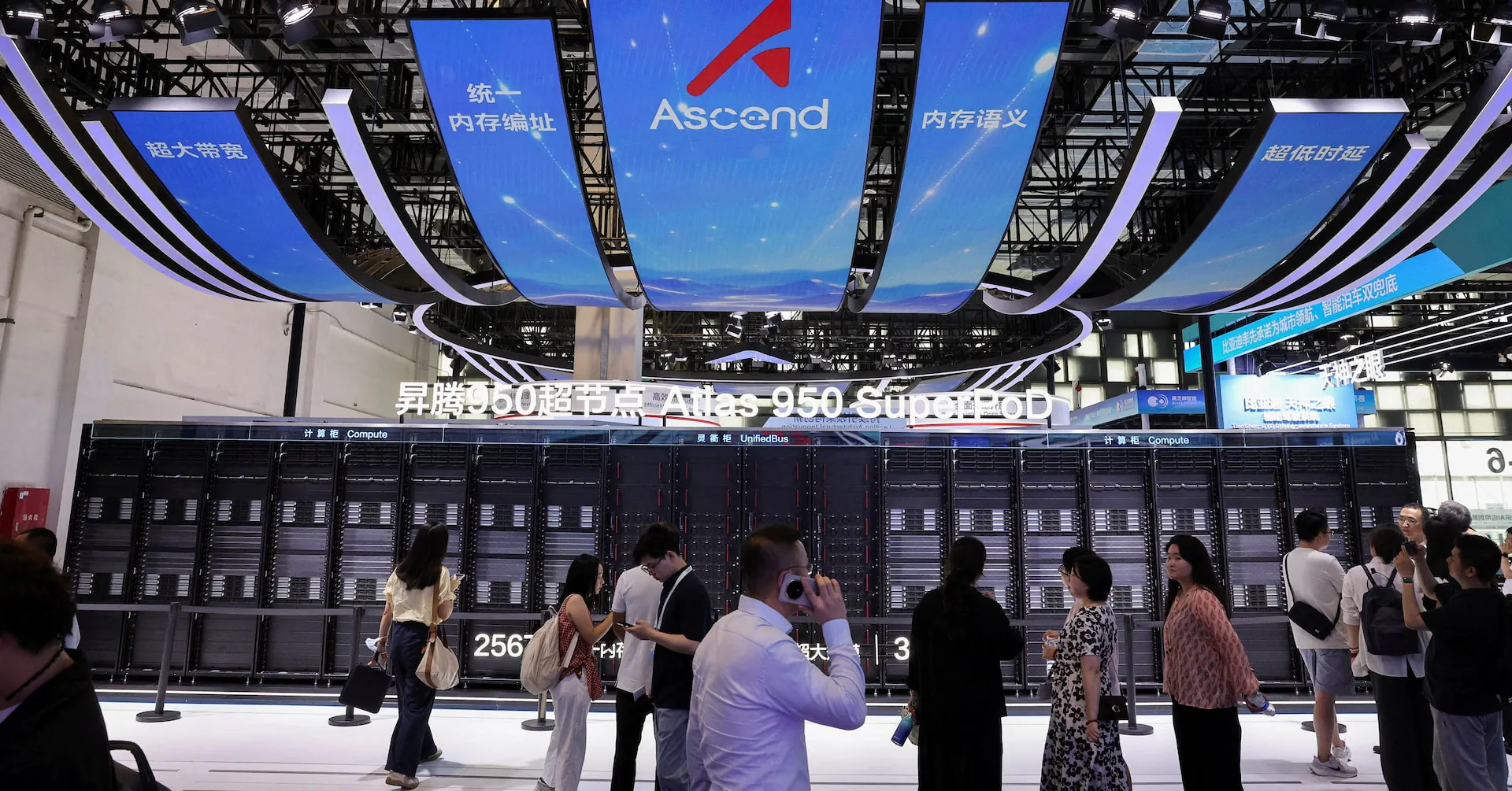
Huawei is pushing deeper into AI-powered drug development, with plans to expand collaborations with Chinese pharmaceutical companies across drug manufacturing, clinical practice, and implementation. The tech giant already offers AI tools for drug compound screening and has validated AI drug research models with state-owned Guangzhou Pharmaceutical Holdings. It's part of a broader tech industry race — alongside Nvidia — to capitalize on AI's potential to transform pharma R&D.
Huawei is making a serious play in the AI drug discovery space. The Chinese tech conglomerate announced plans to deepen its AI collaborations with domestic pharmaceutical companies, spanning the full pipeline — from drug manufacturing and clinical trials to final implementation. William Zhang, president of Huawei's healthcare business unit, confirmed the expansion, noting existing hospital-based clinical practice partnerships and ongoing exploration of new opportunities.
The company already brings hardware and software to the table, offering AI tools for screening drug compounds alongside its proprietary Ascend and Kunpeng chips. A notable milestone came in May, when Huawei and state-owned Guangzhou Pharmaceutical Holdings completed what was described as the industry's first production validation of independently developed AI drug research models built on Huawei's chip architecture. Huawei isn't alone in this race — Nvidia has inked AI partnerships with pharma heavyweights like Eli Lilly and Novo Nordisk, signaling a broader tech industry push into drug R&D.
Key Takeaways:
Why it matters: As AI reshapes drug discovery, the entry of major tech players like Huawei and Nvidia signals a fundamental shift in how — and how fast — new medicines could reach patients. For healthcare systems globally, shorter timelines and lower R&D costs could eventually translate into faster access to new therapies.