Loading Curie Briefs...
Getting the latest healthcare news for you
Getting the latest healthcare news for you

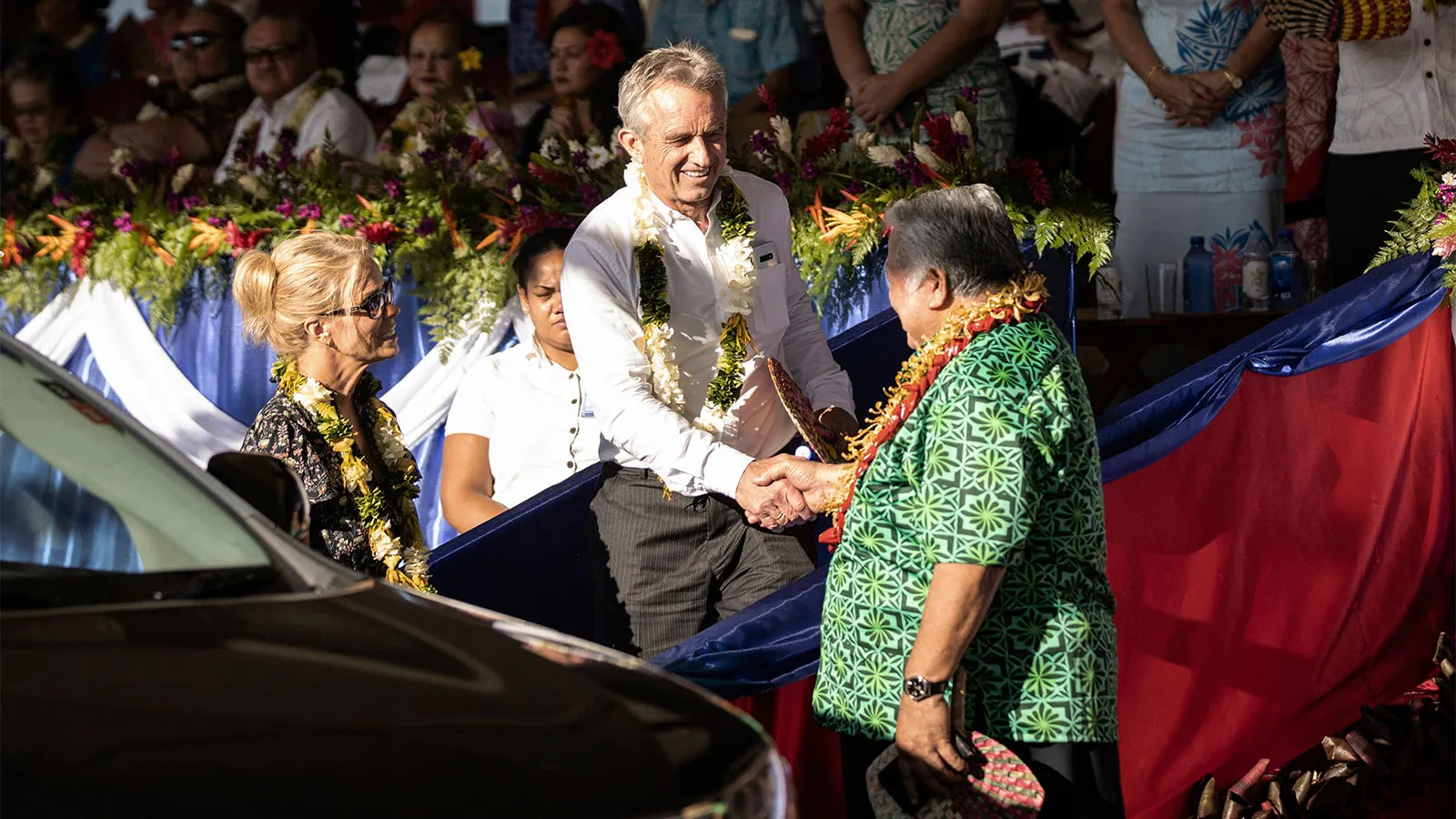
Newly obtained letters reveal that Health Secretary RFK Jr. wrote to Samoa's prime minister in 2019 specifically requesting to study the country's MMR vaccine use — directly contradicting his repeated statements to Congress that the trip "had nothing to do with vaccines." The documents, obtained via a lawsuit, show Kennedy used the words "vaccine" or "vaccination" eight times in the letter. Legal experts say lawmakers could use the statements as grounds for hearings or an impeachment inquiry.
Newly obtained documents are casting serious doubt on Health Secretary Robert F. Kennedy Jr.'s congressional testimony about a 2019 trip to Samoa. Letters revealed through a lawsuit show that Kennedy — then chair of anti-vaccine nonprofit Children's Health Defense — wrote to Samoa's prime minister explicitly requesting to study the country's MMR vaccine use following the deaths of two children who had received the vaccine. The word "vaccine" or "vaccination" appeared eight times in the letter.
During his Senate confirmation hearings, Kennedy repeatedly denied that vaccines had anything to do with the trip, telling senators he went to introduce a medical informatics system. HHS has maintained the visit "was unrelated to vaccines" and called any suggestion Kennedy misled Congress "defamatory." Notably, Kennedy was not under oath during the hearings — though knowingly giving false material testimony to Congress is still a crime regardless.
The Samoa trip remains one of the most controversial episodes of Kennedy's career. Critics argue his visit emboldened local anti-vaccine activists, contributing to dangerously low vaccination rates that preceded a measles outbreak killing 83 people, mostly children under 5.
Key Takeaways:
Why it matters: These documents raise significant questions about the integrity of Kennedy's confirmation testimony and his leadership of the nation's top health agency — with direct implications for public trust in U.S. vaccine policy.