Loading Curie Briefs...
Getting the latest healthcare news for you
Getting the latest healthcare news for you

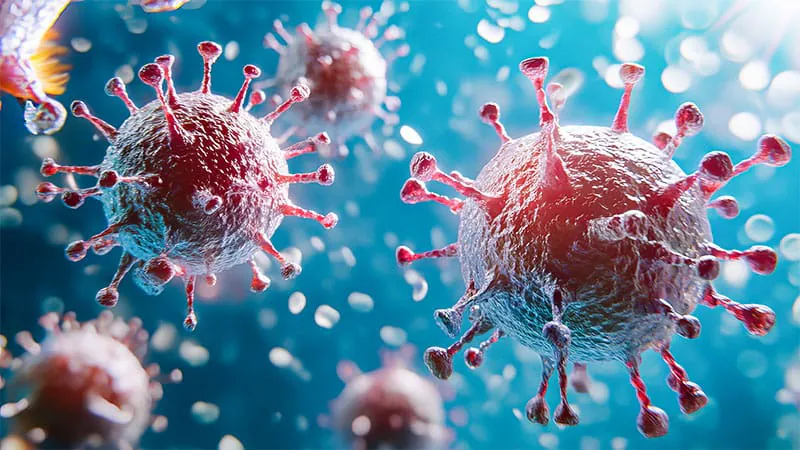
A recent SARS-CoV-2 infection dramatically raises the odds of dying from a Staphylococcus aureus bloodstream infection. A CDC-led study of nearly 73,000 cases found that COVID-19 co-infection more than doubled 30-day mortality risk, with hospital-onset cases hitting mortality rates as high as 75%. The findings underscore the urgent need for stronger infection prevention in hospitalized COVID-19 patients.
A large CDC-led surveillance study has found that a recent SARS-CoV-2 infection significantly amplifies the danger of Staphylococcus aureus bacteremia (SAB) — a serious bloodstream infection. Analyzing data from nearly 73,000 SAB cases across 20 US counties between 2005 and 2022, researchers found that patients who tested positive for COVID-19 within 30 days of their SAB diagnosis faced more than double the risk of dying within a month.
The impact was most severe in hospital-onset cases. Among hospitalized patients with both infections, mortality rates soared to 75% for MRSA cases in 2020 and 64% for MSSA cases in 2021 — roughly 2–3 times higher than in patients without recent COVID-19. Overall, hospital-onset MRSA and MSSA mortality rates climbed 33% and 41%, respectively, from 2019 to 2021.
By the Numbers:
Why it matters: These findings highlight a critical but underappreciated danger of COVID-19 — its ability to set the stage for deadly secondary bacterial infections. The authors call for stronger infection prevention protocols for hospitalized COVID-19 patients, a lesson that could also apply to future respiratory virus pandemics.