Loading Curie Briefs...
Getting the latest healthcare news for you
Getting the latest healthcare news for you

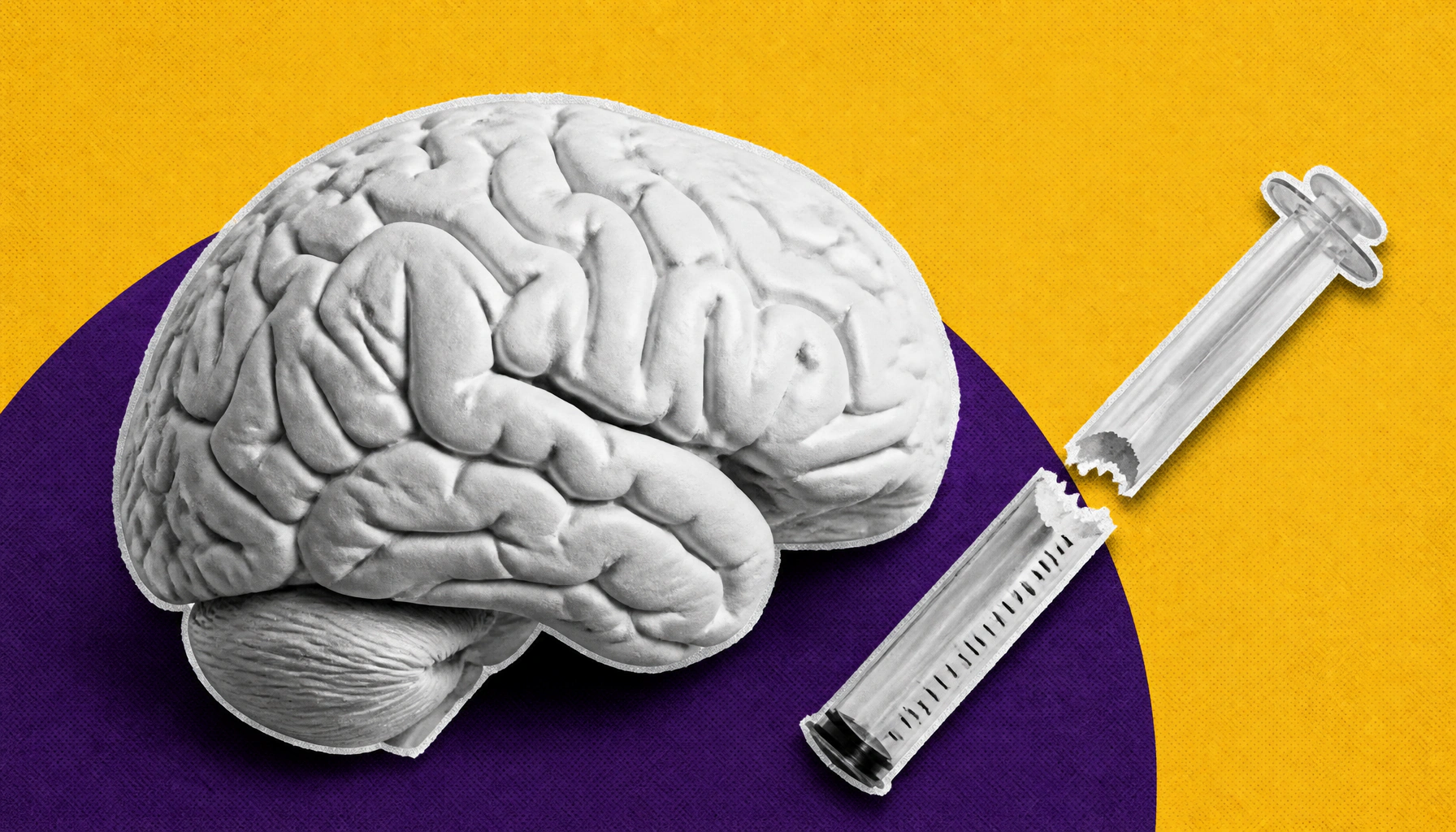
Researchers at Washington University have discovered a pain-suppressing switch deep in the brain that could lead to more targeted treatments for chronic neuropathic pain. In mice, mu opioid receptors in the locus coeruleus act as a biological brake on pain signals — and when nerve damage disrupts this brake, chronic pain kicks in. The findings could pave the way for therapies that deliver relief without the risks of traditional opioids.
Researchers at Washington University School of Medicine in St. Louis have identified a surprising pain control mechanism deep in the brain — and it could change how we treat chronic nerve pain. Published in Current Biology, the study found that mu opioid receptors in the locus coeruleus (the brain's main stress and alert center) act as a biological "brake" on pain signals. Under normal conditions, this brake helps suppress pain. But after nerve injury, the system can go haywire, amplifying pain instead of quieting it.
In mouse models of neuropathic pain, the team showed that removing mu opioid receptors from locus coeruleus neurons made animals significantly more sensitive to touch and heat. Restoring those receptors reversed the effect — essentially flipping the pain switch back off. The researchers are now exploring ways to target this specific brain region without affecting opioid receptors throughout the rest of the body.
Key Takeaways:
Why it matters: Millions of people live with chronic neuropathic pain — caused by diabetes, infections, or nerve compression — and current opioid treatments carry serious risks of addiction and side effects. A more precise, brain-targeted approach could be a game-changer for this hard-to-treat condition.