Loading Curie Briefs...
Getting the latest healthcare news for you
Getting the latest healthcare news for you

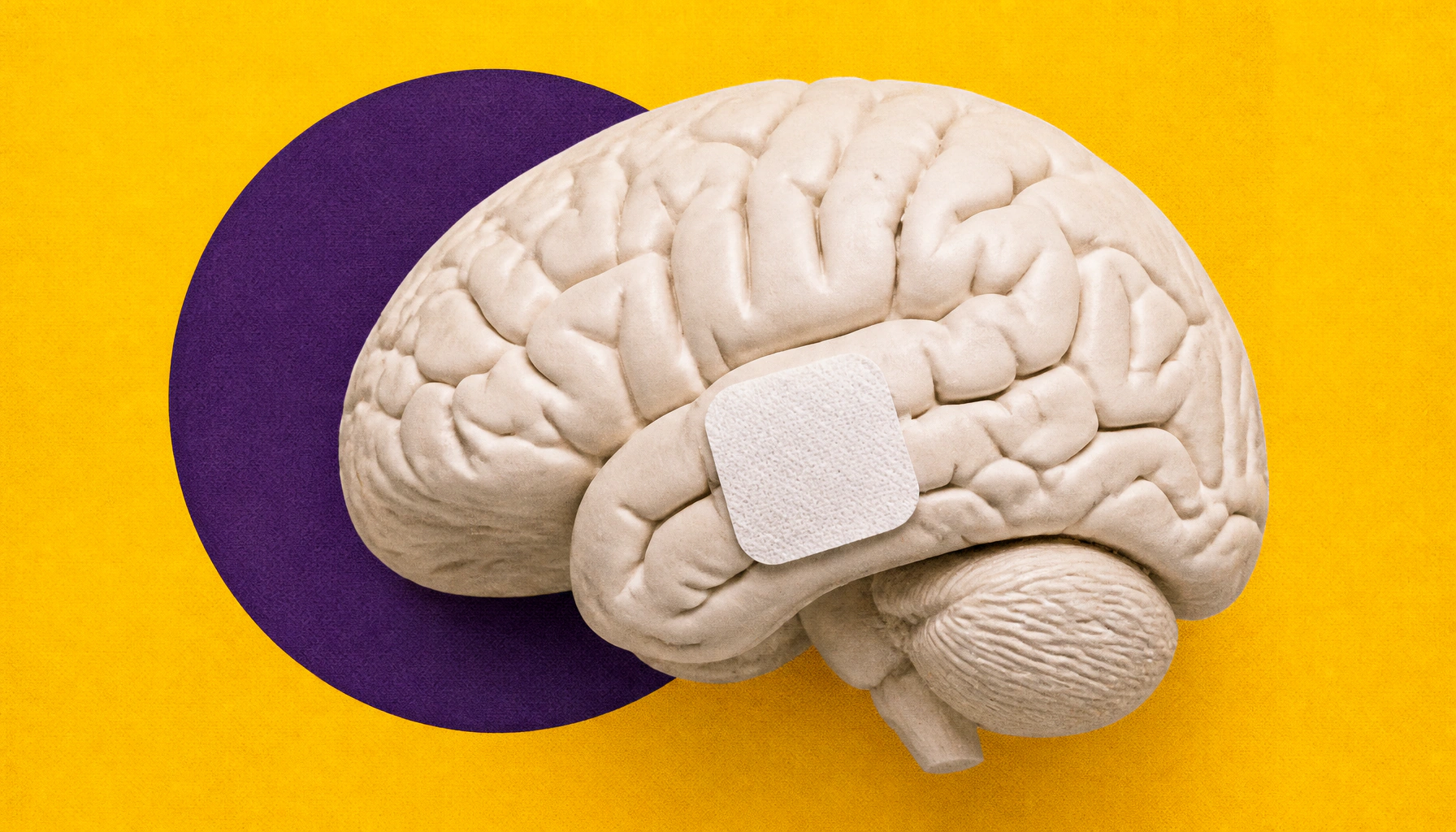
HRT may protect the brain against dementia. A large UK Biobank study of over 183,000 postmenopausal women found that using hormone replacement therapy for at least a year reduced all-cause dementia risk by 10% and Alzheimer's risk by 16%. Women with surgical menopause or the APOE4 gene saw even greater benefits — and timing matters, with the biggest gains seen when HRT was started in the early-to-mid 50s.
Two major studies are adding fresh momentum to the idea that hormone replacement therapy (HRT) does more than manage menopause symptoms — it may also help protect against dementia. A large UK Biobank analysis of 183,450 postmenopausal women (avg. follow-up: 13.3 years) found that at least one year of HRT reduced all-cause dementia risk by 10% and Alzheimer's disease risk by 16%. A separate Stanford-led study of over 21,000 women found that estrogen-only therapy was linked to 39% lower odds of a dementia diagnosis and 35% lower odds of Alzheimer's-related brain changes at autopsy.
Researchers note that women make up nearly two-thirds of Alzheimer's cases, and the hormonal shifts of menopause — particularly declining estradiol — may partly explain that disparity. Estrogen is thought to reduce amyloid production, enhance its clearance, and exert anti-inflammatory effects in the brain.
By the Numbers:
Why it matters: Both studies are observational and cannot prove causation, and experts caution against overgeneralizing — especially since the Stanford cohort used HRT later in life than current practice recommends. Still, the convergence of neuropathological, biomarker, and clinical data strengthens the case for further investigation into HRT as a tool for long-term brain health in women.