Loading Curie Briefs...
Getting the latest healthcare news for you
Getting the latest healthcare news for you

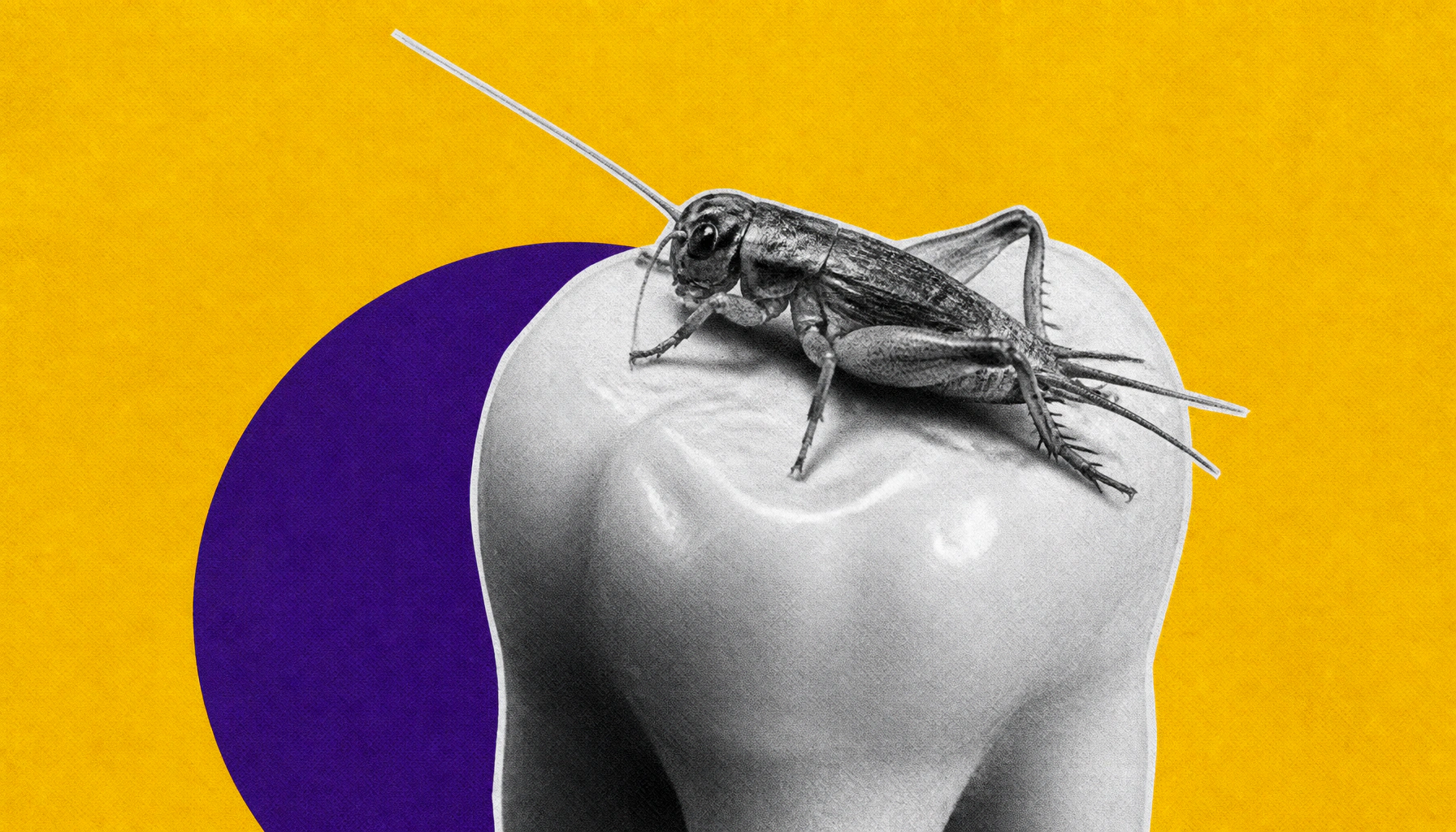
Turns out, your reluctance to eat insects isn't just a cultural quirk — it may be deeply evolutionary. Researchers analyzed ancient dental tartar and human DNA to find that northern Eurasian populations largely avoided insects for at least 9,000 years, and even developed genetic mutations that reduced their ability to digest insect exoskeletons. Meanwhile, Neanderthals and tropical populations show much stronger evidence of regular insect consumption.
That reluctance you feel when someone suggests a cricket taco? It might be ancient history — literally. Researchers from Spain's Institute of Evolutionary Biology (IBE) used genomic evidence and ancient dental calculus (tartar) to reconstruct thousands of years of human insect-eating habits. Their findings, published in Science Advances, suggest that modern humans in northern Eurasia rarely ate insects, and that this pattern has biological roots stretching back at least 9,000 years — coinciding with the rise of agriculture.
The team analyzed 745 samples of dental tartar from anatomically modern humans dating back up to 33,000 years, finding little insect DNA in northern Eurasian samples. They also identified mutations in chitinase genes — which help digest insect exoskeletons — that reduced digestive capacity in these populations. By contrast, Neanderthals showed insect DNA levels comparable to chimpanzees, and tropical populations retained stronger insect-digesting gene variants year-round.
Key Takeaways:
Why it matters: With the global population growing and climate pressures mounting, insects are increasingly eyed as a sustainable protein source. Understanding the evolutionary and ecological roots of insect aversion — not just cultural ones — could inform how food scientists and policymakers design insect-based foods that bypass the need to digest chitin directly, making them more palatable to Western populations.