Loading Curie Briefs...
Getting the latest healthcare news for you
Getting the latest healthcare news for you

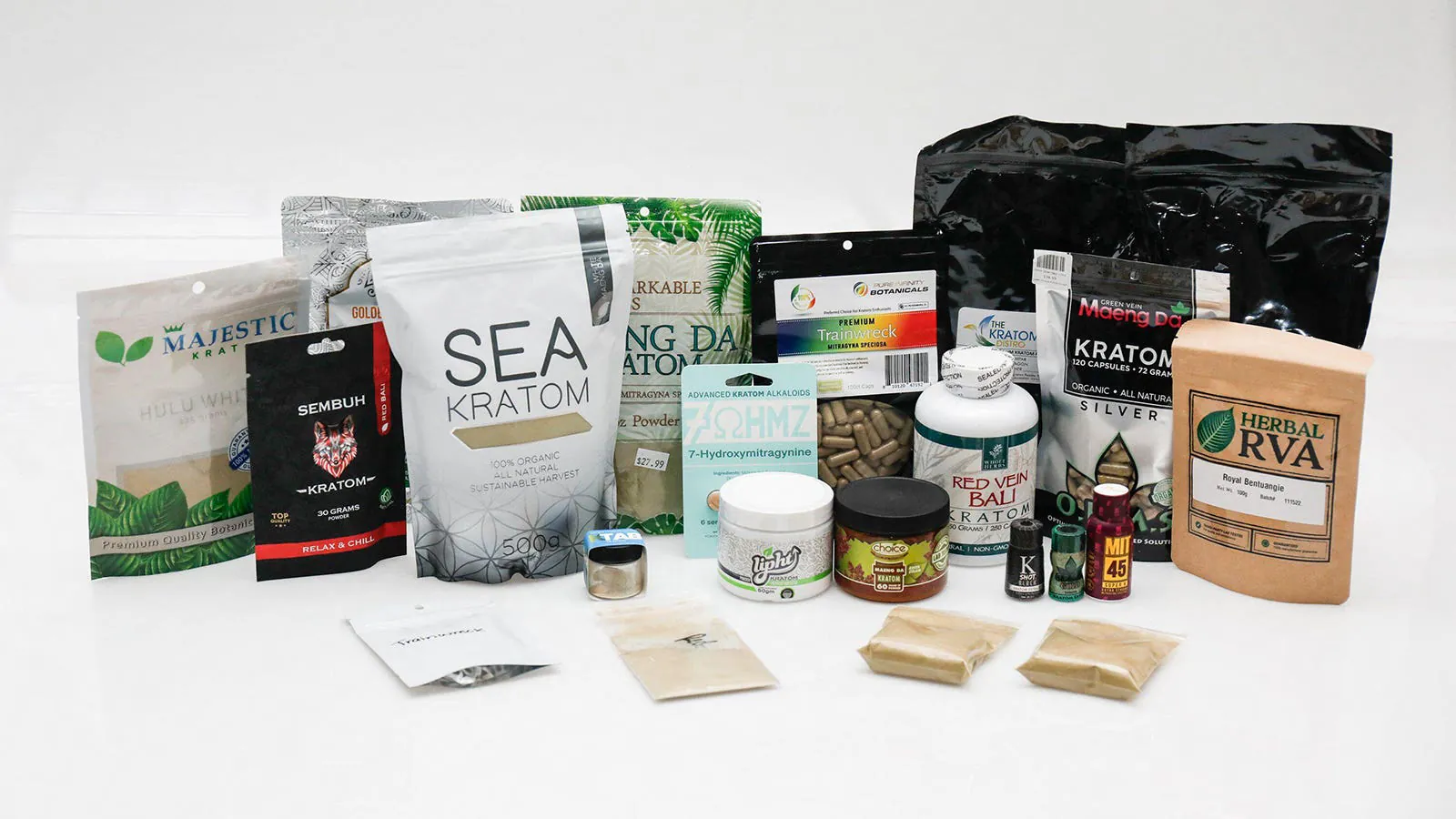
The DEA has issued a temporary order placing three potent synthetic opioid compounds — mitragynine pseudoindoxyl, MGM-15, and MGM-16 — into Schedule I, citing an imminent public safety hazard. These compounds, often deceptively marketed as "kratom," have been linked to dozens of overdose deaths and are sold openly in gas stations and online. The move follows earlier FDA recommendations and targets concentrated synthetic products, not traditional botanical kratom.
The Drug Enforcement Administration (DEA) has issued a temporary emergency order placing three synthetic opioid compounds — mitragynine pseudoindoxyl, MGM-15, and MGM-16 — into Schedule I of the Controlled Substances Act. The Department of Justice clarified that the action targets "deliberately manufactured and concentrated opioid products," not traditional botanical kratom. These compounds are potent mu-opioid receptor agonists, carrying risks of dependence and respiratory depression.
What makes this especially concerning is how these products are sold: in gas stations, vape shops, and online, under names like "Kama," "Hydroxie," and "Happie Tabs," packaged as flavored gummies, chewable tablets, and liquid shots — often with no age restrictions. Their branding as "botanical extracts" or "mood boosters" creates a false sense of safety for consumers.
By the Numbers:
Why it matters: These compounds have been hiding in plain sight, marketed as safe botanicals while causing fatal overdoses. The temporary Schedule I classification — valid for up to 2 years — gives authorities tools to crack down on manufacturers and sellers, though experts warn that enforcement and monitoring remain significant challenges.