Loading Curie Briefs...
Getting the latest healthcare news for you
Getting the latest healthcare news for you


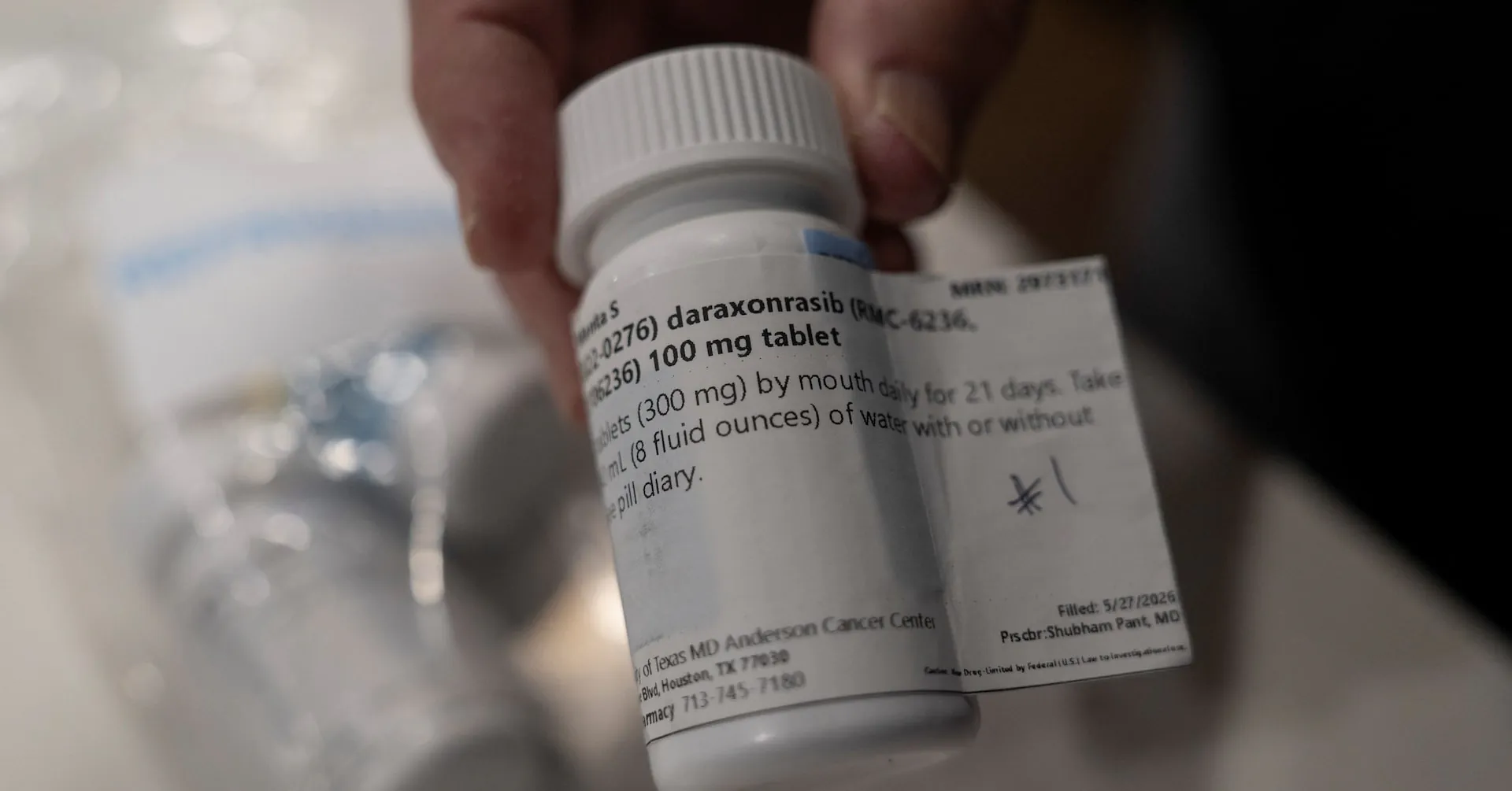
The FDA has approved daraxonrasib (Rasonque) for adults with previously treated metastatic pancreatic ductal adenocarcinoma (PDAC) — marking the first-ever RAS-targeted therapy approved for this disease. In the phase 3 RASolute 302 trial, the once-daily oral pill doubled median overall survival (13.2 vs. 6.7 months) and cut the risk of death by 60% compared with standard chemotherapy. Oncologists are calling it a "grand slam" for one of cancer's most lethal diseases.
The FDA has approved daraxonrasib (Rasonque, Revolution Medicines) for adults with metastatic pancreatic ductal adenocarcinoma (PDAC) who have received at least one prior systemic therapy or are not candidates for multiagent treatment — making it the first-ever RAS-targeted therapy approved for pancreatic cancer. The oral, once-daily pill works by binding to cyclophilin A, which then blocks the active form of RAS — a protein mutated in over 90% of pancreatic cancers and long considered "undruggable."
Approval was based on the phase 3 RASolute 302 trial (N=500), which compared daraxonrasib 300 mg daily against investigator's choice of IV chemotherapy in previously treated metastatic PDAC. The results were so striking that attendees at the ASCO Annual Meeting gave a 42-second standing ovation when the data were revealed. Notably, the approved label does not require a specific RAS mutation, broadening eligibility beyond what many clinicians may initially expect.
By the Numbers:
Why it matters: Pancreatic cancer has one of the worst prognoses of any cancer, with only 3% of patients with distant disease surviving 5 years. For decades, chemotherapy was the only option in the second-line setting, offering a median survival of just 6–7 months. Daraxonrasib's approval represents a genuine paradigm shift — offering patients a more effective, oral, and better-tolerated alternative that experts say could become the new standard of care.