Loading Curie Briefs...
Getting the latest healthcare news for you
Getting the latest healthcare news for you

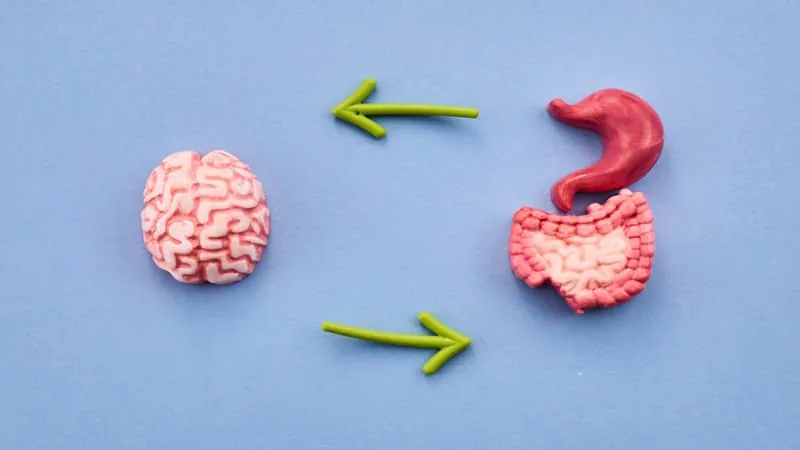
Excess hydrogen sulfide in the gut triggers sweeping gene expression changes in the small bowel, a new study finds. Patients with intestinal sulfide overproduction showed disruptions in mitochondrial function, redox balance, and immune signaling — far more than those with bacterial or methanogen overgrowth. Animal models backed up the findings, pointing to a possible molecular link to IBS-related diarrhea.
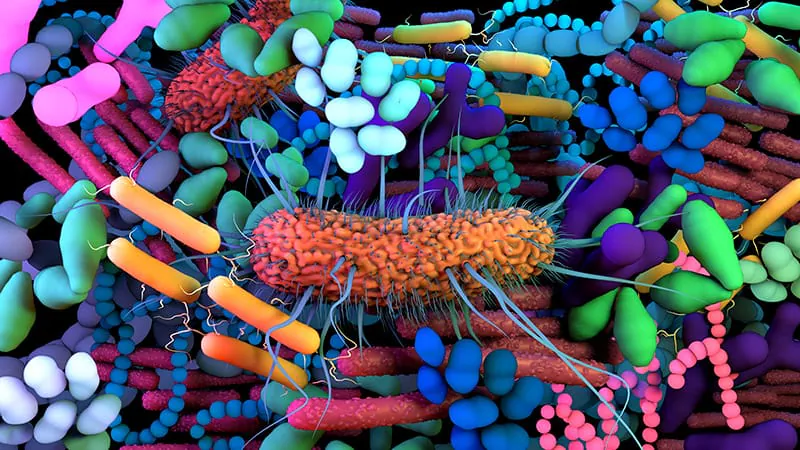
A new study published in mSystems reveals that excess hydrogen sulfide (H₂S) in the gut doesn't just sit there — it actively reshapes how small bowel cells function at the genetic level. Researchers at Cedars-Sinai analyzed 85 patients with different types of gut microbial imbalances and found that those with intestinal sulfide overproduction (ISO) had 643 differentially expressed genes, with significant disruptions to mitochondrial respiration, redox balance, and immune signaling. By contrast, patients with intestinal methanogen overgrowth (IMO) or small intestinal bacterial overgrowth (SIBO) showed far fewer gene expression changes.
To validate the findings, rats were given H₂S-producing bacteria (Fusobacterium varium), and they showed 1,244 differentially expressed genes — mirroring the molecular stress patterns seen in ISO patients. Rats given a non-H₂S-producing strain showed no such changes, strengthening the case that microbial H₂S is the key driver.
Key Takeaways:
Why it matters: These findings position ISO as a distinct molecular phenotype with potential relevance to diarrhea-predominant IBS, opening the door to targeted therapies that address sulfide-driven gut dysfunction.