Loading Curie Briefs...
Getting the latest healthcare news for you
Getting the latest healthcare news for you

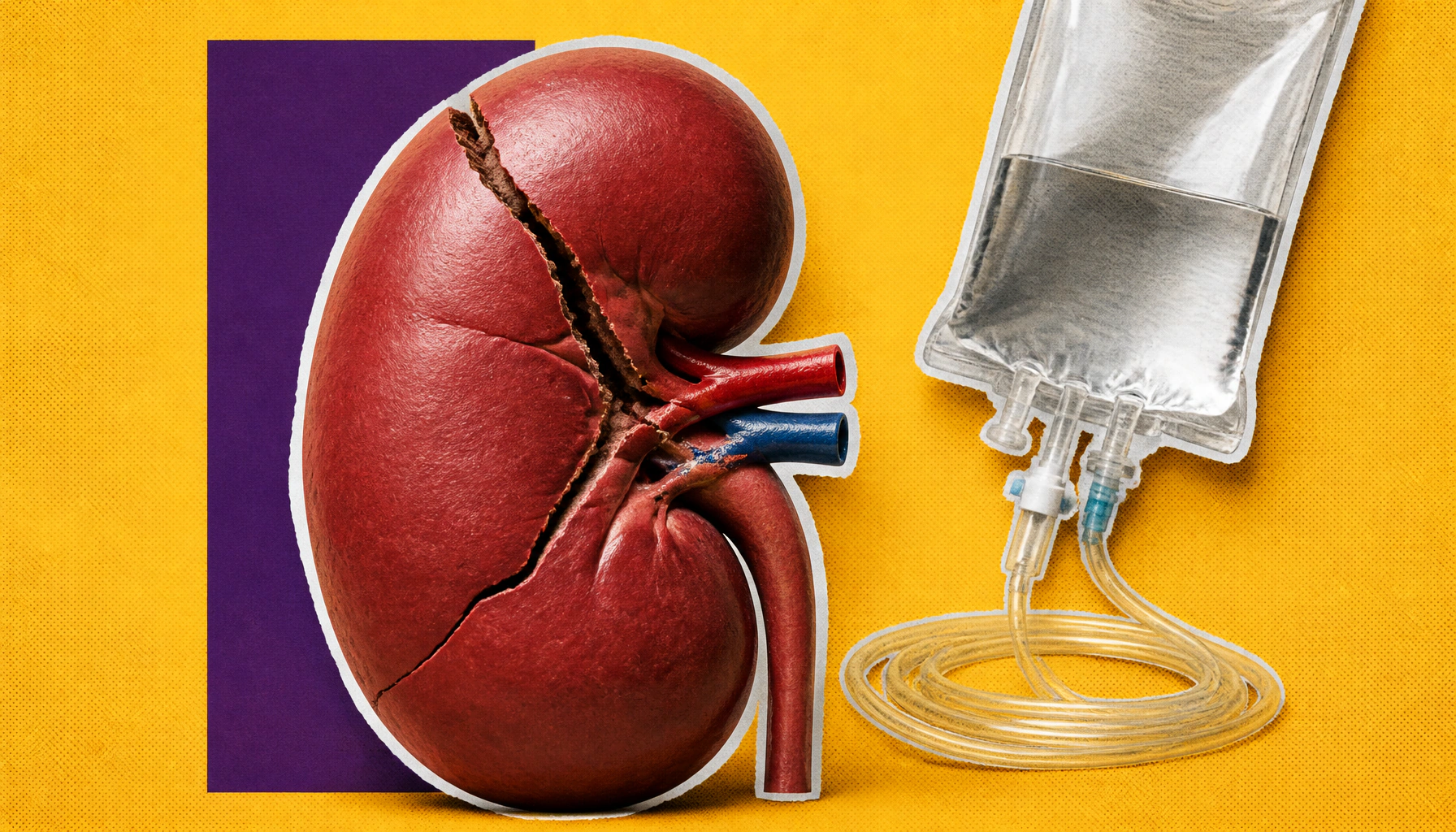
Patients with advanced chronic kidney disease (CKD) face significantly worse outcomes when treated with immune checkpoint inhibitors (ICIs) for genitourinary cancers. A large study found nearly 45% of advanced CKD patients died within 2 years of ICI treatment, compared to 35.5% with early CKD. Experts say CKD shouldn't automatically rule out ICI use, but close monitoring is essential.
Immune checkpoint inhibitors (ICIs) are a cornerstone of treatment for genitourinary cancers like renal cell carcinoma (RCC) and urothelial carcinoma — but a new study suggests patients with advanced chronic kidney disease (CKD) face a notably rougher road. Researchers analyzed data from over 4,300 propensity-score matched patients across 63 U.S. centers and found that advanced CKD was linked to significantly worse survival and higher rates of immune-related side effects compared to early CKD.
Published in Cancer Immunology and Immunotherapy, the study points to uremia's ability to impair immune cell function as a likely culprit, alongside the broader burden of cardiovascular disease, malnutrition, and reduced physiologic reserve that comes with advanced CKD — factors that may blunt the very immune response ICIs are designed to amplify.
By the Numbers:
Why it matters: Advanced CKD is common among cancer patients, yet this population is often underrepresented in clinical trials. These findings give clinicians critical real-world data to guide treatment decisions, emphasizing the need for close renal monitoring and multidisciplinary care — not blanket exclusion from ICI therapy.