Loading Curie Briefs...
Getting the latest healthcare news for you
Getting the latest healthcare news for you

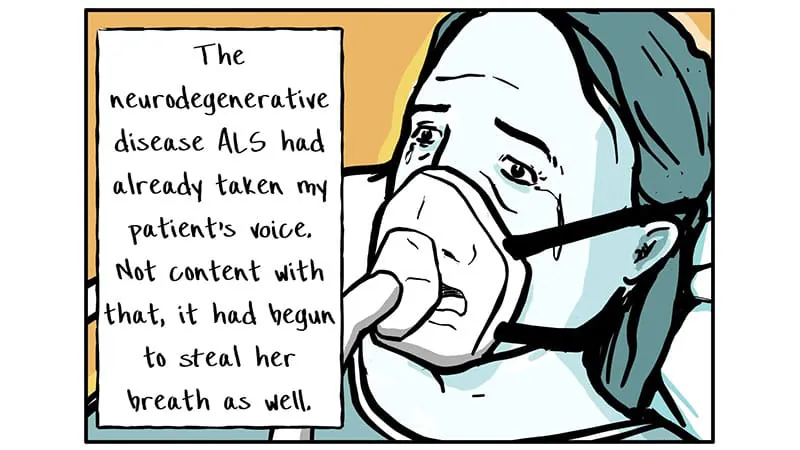
Doctors are turning to comics to bridge the gap between medicine and human connection. At the Graphic Medicine 2026 Conference in Baltimore, over 200 clinicians, artists, and patients explored how visual storytelling can improve patient education, combat physician burnout, and shine a light on overlooked health experiences. From end-of-life planning to chronic pain, the comic strip is proving to be a surprisingly powerful clinical tool.
Comics might not be the first thing that comes to mind when you think of cutting-edge medicine, but a growing community of clinicians and artists is making a compelling case for graphic medicine — the use of comics in healthcare. At the Graphic Medicine 2026 Conference in Baltimore, more than 200 attendees gathered to explore how visual storytelling can transform patient communication, medical education, and clinician wellbeing.
Palliative care physician Nathan Gray, MD, of Johns Hopkins, opened the conference with a keynote about how drawing helped him process moral distress and burnout during residency. His comics have tackled everything from CPR misconceptions to the economic realities of hospice care. Meanwhile, faculty at the University of Virginia are using art workshops to help physicians rediscover their creative voices, and medical students report that drawing deepens their empathy and cultural awareness.
Key Takeaways:
Why it matters: As healthcare grows more complex and burnout rates climb, graphic medicine offers a low-tech, high-empathy tool to humanize care — for both patients and the providers treating them.