Loading Curie Briefs...
Getting the latest healthcare news for you
Getting the latest healthcare news for you

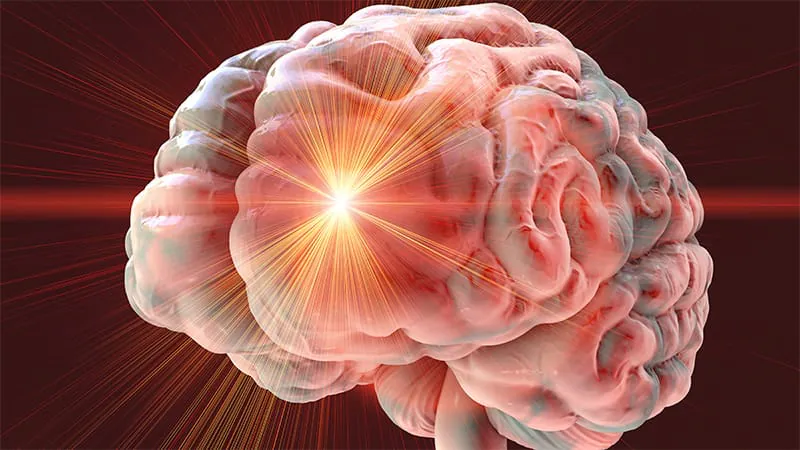
For older adults recovering from stroke, the type of exercise matters a lot. A new meta-analysis found that dual-task training and mind-body exercise best tackle depression, while resistance training leads for anxiety relief. Balance and coordination exercises showed the strongest credible gains in cognitive function — and earlier intervention appears to deliver bigger benefits.
When it comes to post-stroke rehabilitation in older adults, one size definitely doesn't fit all. A large systematic review and meta-analysis of 52 randomized controlled trials found that different exercise types offer distinct mental health and cognitive benefits — meaning the right prescription depends on what you're trying to treat.
For depression, dual-task training (think walking while counting) ranked highest, followed closely by mind-body exercises like tai chi or yoga. Anxiety responded best to resistance/strength training and dual-task training. For cognitive function, balance and coordination training was the only intervention with statistically credible improvement over usual care, though mind-body and aerobic exercise also ranked highly. Notably, early/functional rehabilitation was actually linked to worse anxiety outcomes.
The analysis also found that the sooner after stroke patients started exercising, the greater the mental health and cognitive gains — underscoring the value of timely rehab.
Key Takeaways:
Why it matters: These findings give clinicians a clearer roadmap for tailoring post-stroke exercise prescriptions — moving beyond generic activity recommendations toward individualized, phase-sensitive rehab strategies that address the full spectrum of recovery.