Loading Curie Briefs...
Getting the latest healthcare news for you
Getting the latest healthcare news for you

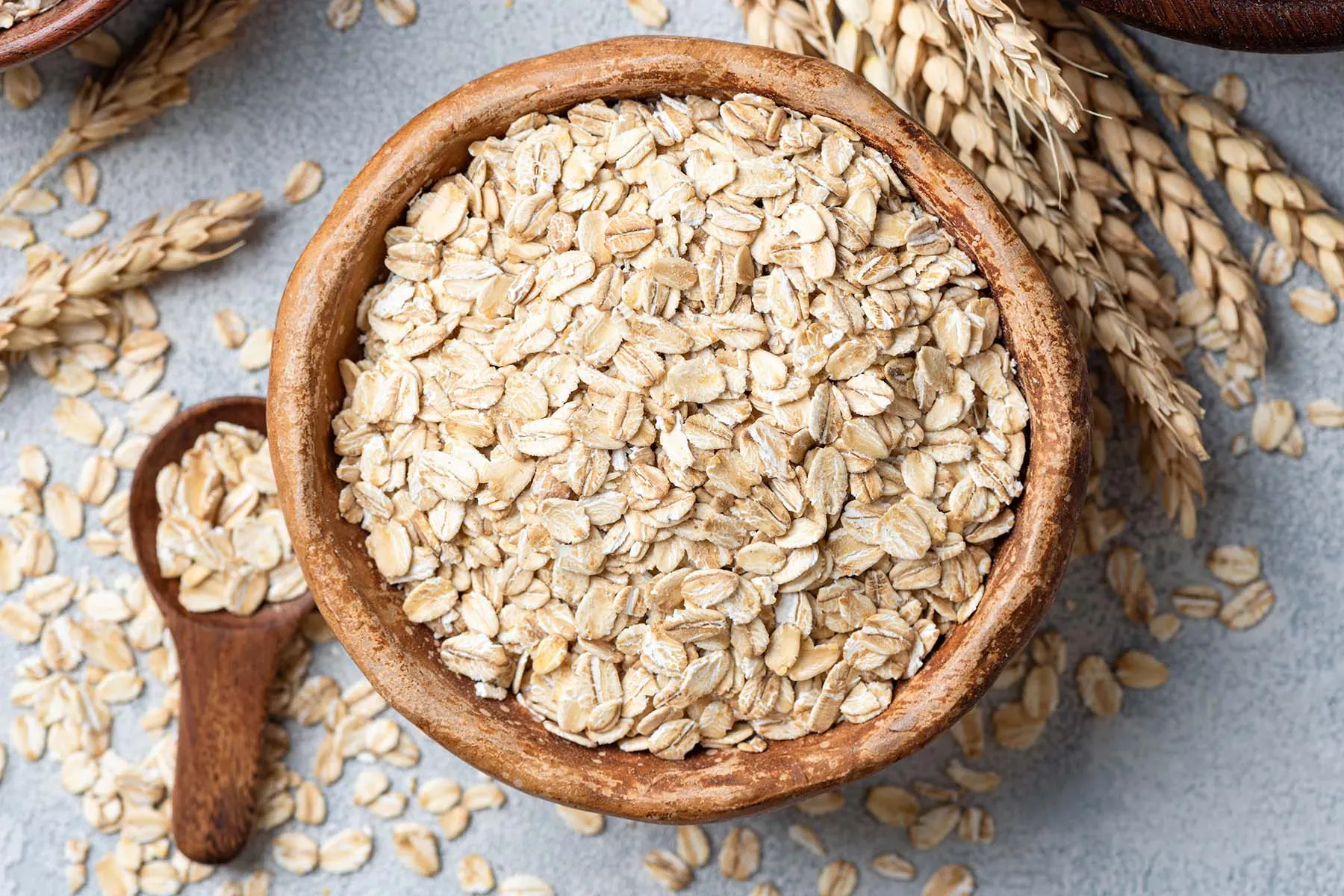
"Fibermaxxing" — the social media trend of maximizing fiber intake — has real science behind it, but experts say more isn't always better. Research shows the biggest health gains come from hitting 25–35 g of fiber per day, with benefits plateauing beyond that. Overdoing it can also cause bloating, abdominal pain, and reduced absorption of key minerals.
"Fibermaxxing" is the latest nutrition trend taking social media by storm, with influencers urging followers to load up on legumes, whole grains, vegetables, fruits, seeds, and psyllium husk. While the science firmly backs a high-fiber diet, experts caution that there's a ceiling to its benefits — and pushing past it can backfire.
A landmark 2019 Lancet systematic review of nearly 135 million person-years of data found that higher fiber intake was associated with at least a 15% lower risk of all-cause mortality, with the sweet spot landing at 25–29 g per day. Additional research links higher fiber consumption to reduced cardiovascular disease risk, lower LDL cholesterol, reduced colorectal cancer risk, and modest weight loss. The catch? Benefits appear to plateau at moderate intake levels, and very high consumption — such as 60–100 g/day via supplements — hasn't been shown to deliver proportionately greater gains.
Key Takeaways:
Why it matters: Most people fall well short of recommended fiber intake, making this trend a net positive — but clinicians should help patients set realistic, evidence-based targets rather than chasing an arbitrary maximum.