Loading Curie Briefs...
Getting the latest healthcare news for you
Getting the latest healthcare news for you

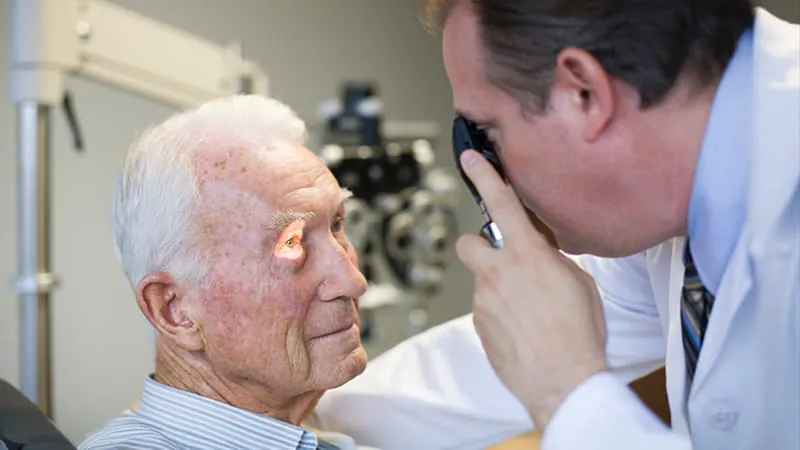
A common cholesterol drug could double as an eye protector for diabetics. A large real-world study found that fenofibrate — already used to lower triglycerides — was linked to nearly half the odds of vision-threatening retinopathy, over 40% lower odds of cataracts, and nearly 68% lower odds of diabetic macular edema in patients with early-stage diabetic eye disease.
A drug already sitting in many diabetic patients' medicine cabinets may be doing double duty. A decade-long retrospective study published in the British Journal of Ophthalmology found that fenofibrate — a widely used lipid-lowering medication — was associated with dramatically lower odds of several serious eye complications in adults with mild or moderate nonproliferative diabetic retinopathy.
The study drew on real-world data from the TriNetX international database (2014–2024), comparing over 4,000 fenofibrate users with matched non-users across multiple eye disease outcomes. Researchers found striking protective associations across the board, suggesting fenofibrate could be a cost-effective, accessible tool to slow diabetic eye disease progression.
By the Numbers
Why it matters: Diabetic eye disease is a leading cause of blindness worldwide, and treatment options to slow its progression remain limited. If confirmed in prospective trials, fenofibrate — already widely prescribed and affordable — could offer a practical, low-barrier intervention to preserve vision in millions of diabetic patients.