Loading Curie Briefs...
Getting the latest healthcare news for you
Getting the latest healthcare news for you

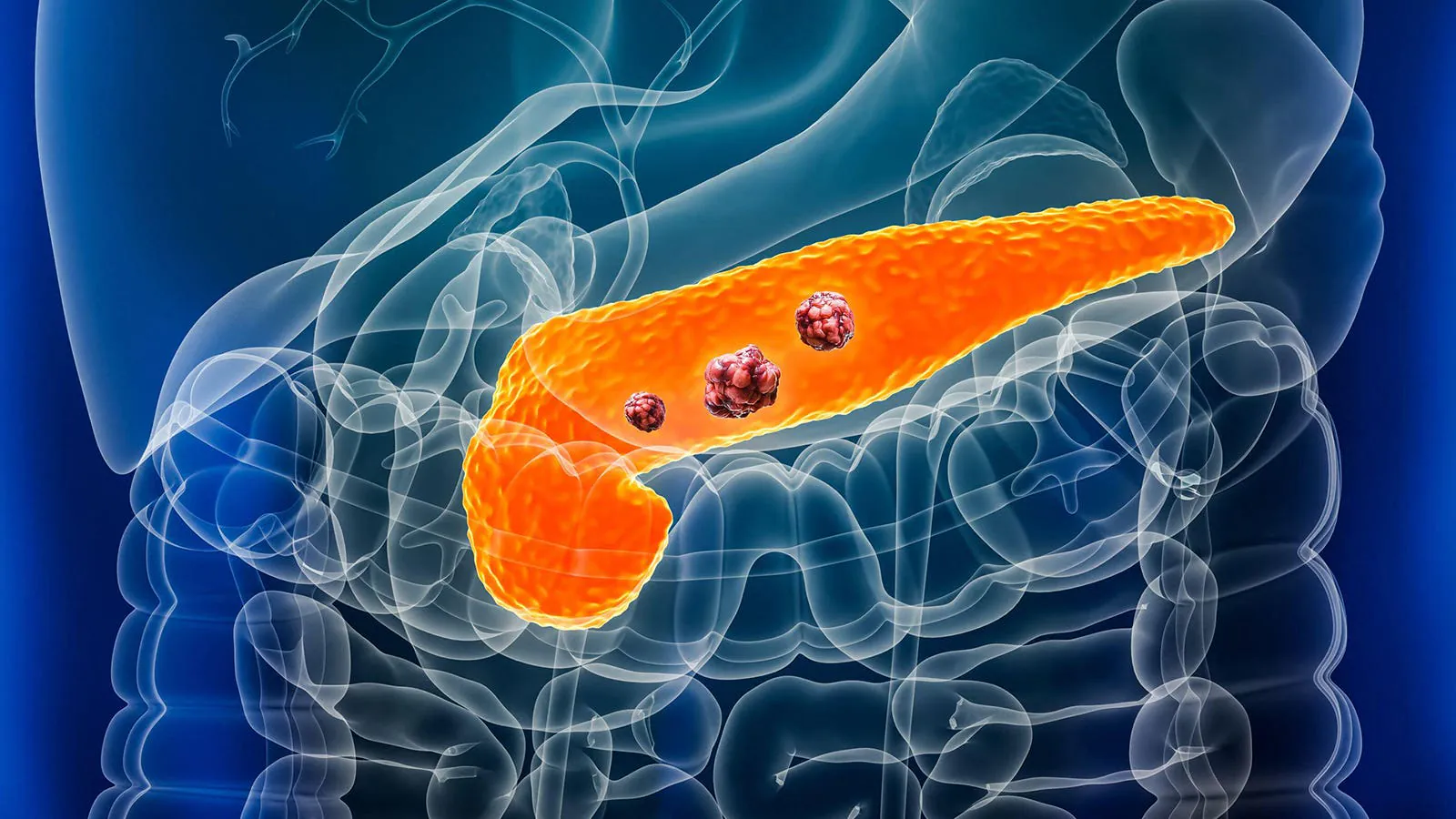
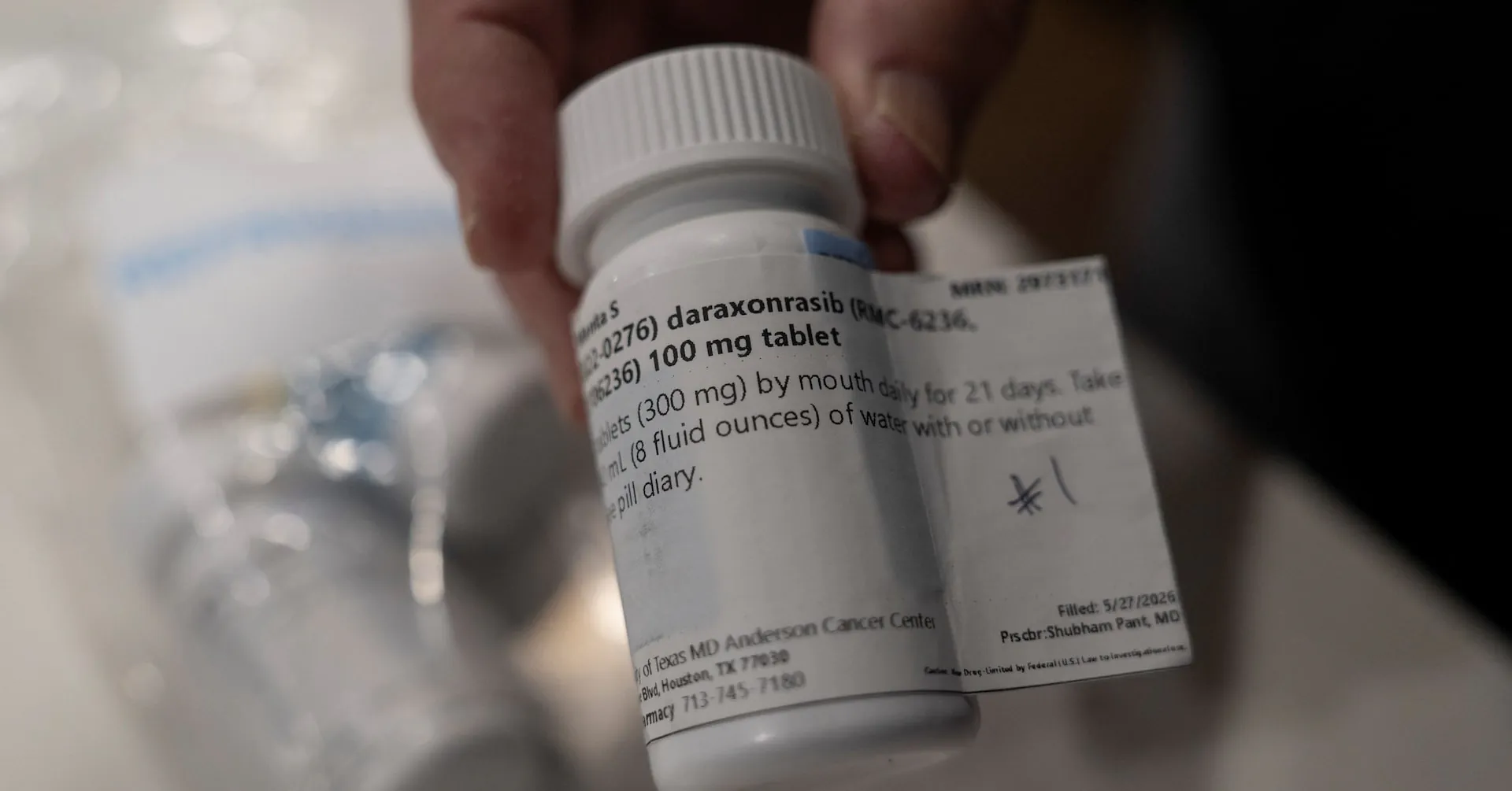
The FDA has approved daraxonrasib (Rasonque), the first RAS inhibitor for metastatic pancreatic ductal adenocarcinoma (PDAC) — the most common and deadly form of pancreatic cancer. In the pivotal RASolute 302 trial, the oral drug doubled median overall survival (13.2 vs. 6.7 months) and more than doubled progression-free survival compared to chemotherapy. ASCO's chief medical officer called it "a grand slam."
The FDA has approved daraxonrasib (Rasonque), a first-in-class oral RAS inhibitor, for adults with previously treated metastatic pancreatic ductal adenocarcinoma (PDAC) — marking a historic breakthrough in one of oncology's most stubborn diseases. The approval came 6.5 months ahead of the user fee deadline, reflecting the FDA's commitment to fast-tracking treatments for life-threatening conditions.
The approval was anchored by the phase 3 RASolute 302 trial, which enrolled ~500 patients across 59 sites in six countries. Daraxonrasib targets multiple RAS isoforms — including wild-type and mutant forms — via a novel molecular-glue mechanism, addressing the KRAS mutations that drive more than 90% of pancreatic cancers. Prior to this, no RAS-targeted therapy had been approved for the disease. The drug is taken once daily by mouth, sparing patients from IV infusion and offering a more tolerable side-effect profile than chemotherapy.
By the Numbers:
Why it matters: Pancreatic cancer has long been one of the deadliest malignancies, with only 3% of patients with distant disease surviving 5 years. Daraxonrasib is the first therapy to successfully target the long-considered "undruggable" RAS pathway in this disease, establishing a new standard of care and opening the door to a new era of RAS-directed treatments across multiple cancer types.