Loading Curie Briefs...
Getting the latest healthcare news for you
Getting the latest healthcare news for you

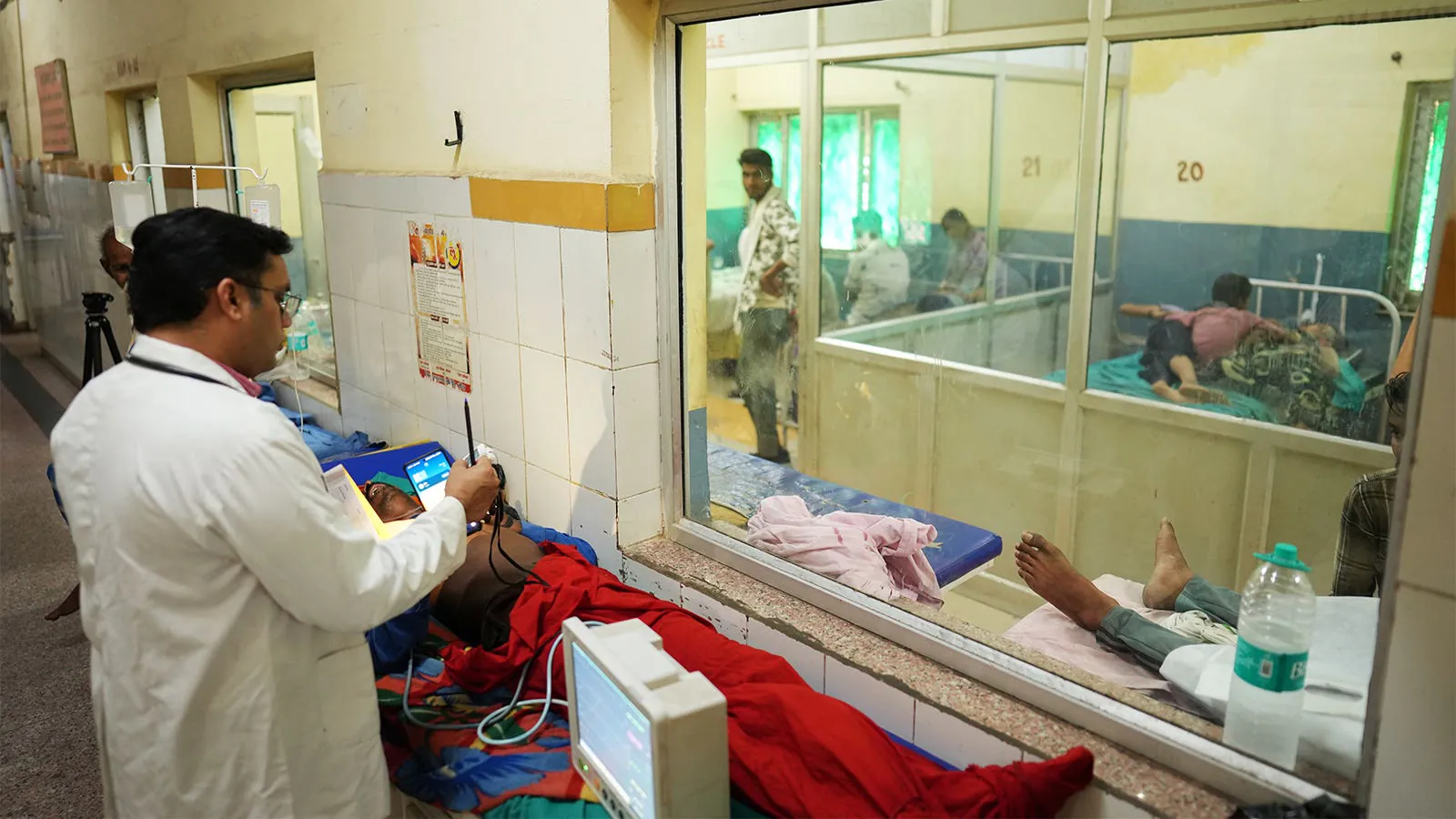
Heat waves are sending people to the ER for more than just heat stroke. A sweeping Northwestern University study of nearly 1 million Chicago ER and urgent care visits found that extreme heat is linked to spikes in kidney problems, skin conditions, varicose veins, marijuana-related mental health issues, and even accidental gunshot wounds. Researchers warn that as heat waves grow more frequent and intense, the hidden health toll — and healthcare costs — will only climb.
Heat waves are sending people to the ER for more than just heat stroke. A major Northwestern University study analyzed nearly 1 million emergency room and urgent care visits in Chicago between 2011 and 2023, finding that when temperatures hit 92.6°F (33.7°C) or higher, more than a dozen categories of illness and injury surge — many of which aren't traditionally associated with heat. The culprits include kidney disorders, skin problems, venous issues, marijuana-related mental health complications, and even accidental gunshot wounds.
Some conditions more than doubled or tripled on extreme heat days, while accidental gunshot wounds jumped more than 30-fold compared to cooler days. Researchers note that heat amplifies existing vulnerabilities — dehydration strains the kidneys and heart, physiologic stress intensifies drug effects, and higher temperatures appear to escalate violence. Notably, cardiovascular problems didn't spike independently, likely because they're often coded under co-occurring conditions like kidney or fluid disorders.
Key Takeaways:
Why it matters: This research reframes how clinicians and public health officials should think about heat risk. The hidden burden of heat-related illness stretches far beyond heat stroke, straining emergency departments and driving up healthcare costs — a warning sign as climate change makes extreme heat events the new normal.