Loading Curie Briefs...
Getting the latest healthcare news for you
Getting the latest healthcare news for you

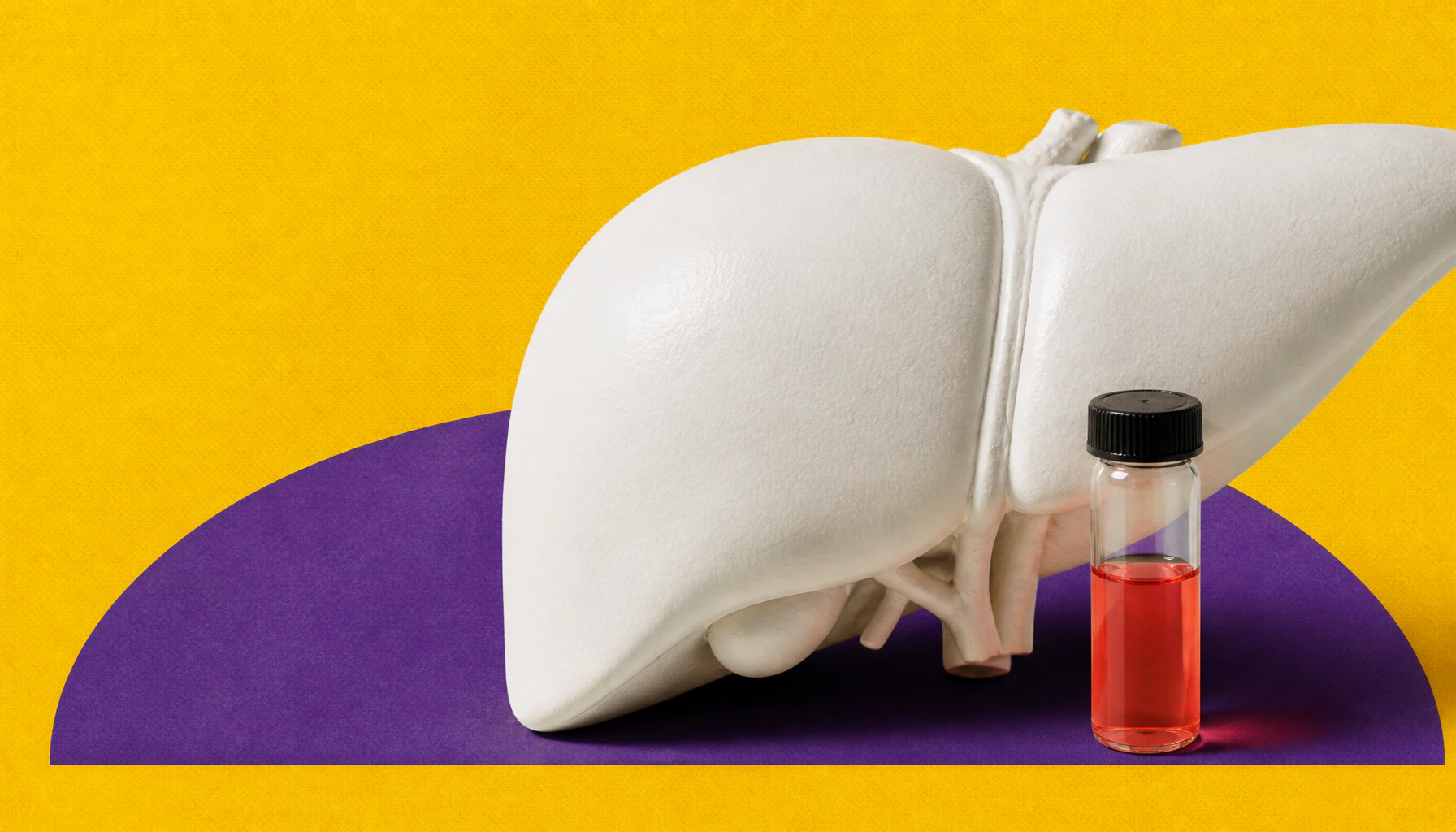
Move over, lycopene — there's a new tomato compound in town. A Tufts University study found that phytoene, a colorless precursor to lycopene, significantly reduced fatty liver disease in mice fed an unhealthy diet. The findings could have big implications for the 100 million U.S. adults living with metabolic liver disease.
Move over, lycopene — there's a new tomato compound stealing the spotlight. Researchers at Tufts University found that phytoene, a colorless, lesser-known precursor to lycopene, may offer meaningful protection against metabolic dysfunction-associated steatotic liver disease (MASLD). Published in Molecular Nutrition & Food Research, the mouse study showed that animals supplemented with phytoene — at a dose equivalent to about 3–4 medium tomatoes or 100g of tomato paste daily — developed significantly less severe fatty liver disease than those on the same unhealthy diet without it.
Rather than reshaping gut bacteria, phytoene appeared to activate key proteins that regulate liver metabolism, helping the liver burn fat instead of storing it. Notably, mice lacking the enzymes to break down phytoene didn't benefit — suggesting the protective effects come from metabolites produced during digestion, not phytoene itself.
By the Numbers:
Why it matters: Phytoene is abundant not just in tomatoes, but also in carrots, red peppers, watermelon, and apricots. If future research confirms these findings in humans, dietary guidance to increase phytoene-rich food intake could become a practical, low-cost strategy to prevent or slow liver disease — especially in high-risk populations.