Loading Curie Briefs...
Getting the latest healthcare news for you
Getting the latest healthcare news for you

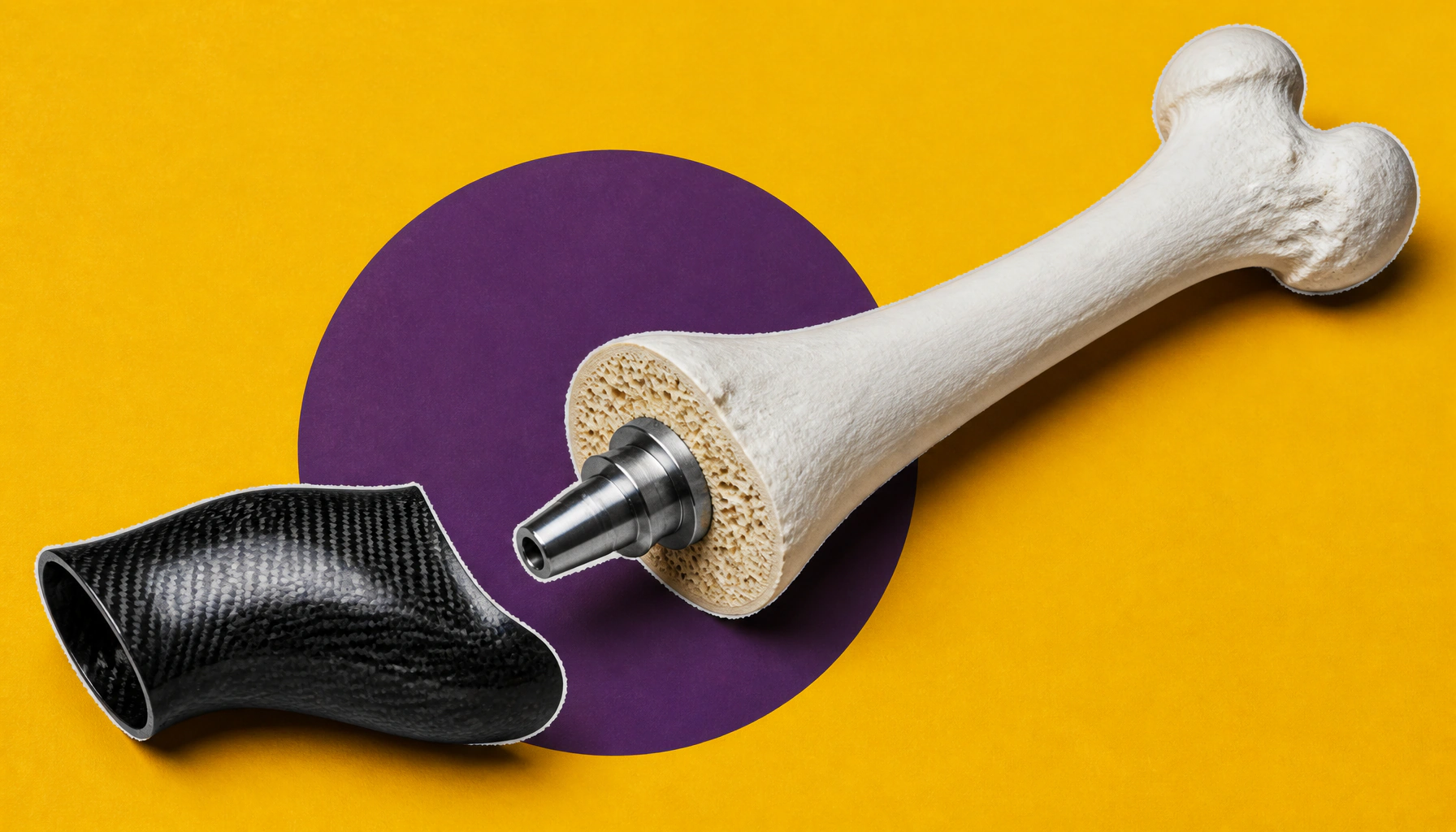
Ditch the socket — osseointegration is changing the game for amputees. A metal implant anchored directly into the residual limb eliminates the need for traditional socket prostheses, allowing patients to normalize their gait and even "feel" through their prosthetic limb. Experts say it's a major leap forward, though more research on post-procedure rehabilitation is still needed.
Bone-anchored prosthetics could transform life for amputees
For amputees who struggle with the limitations of traditional socket prostheses, osseointegration offers a compelling alternative. The procedure involves implanting a metal anchor directly into the residual limb, bypassing the need for liners and sockets entirely. Presented at the International Extreme Sports Medicine Congress, orthopedic surgeon Jason W. Stoneback, MD, of the University of Colorado Anschutz Medical Campus, called it "a real game changer for the right patients at the right time."
Beyond improved mobility, osseointegration enables a phenomenon called osseoperception — the ability to sense pressure and surface texture through the prosthetic limb. This sensory feedback, combined with normalized gait, can help patients return to work and everyday activities that were previously out of reach.
Key Takeaways:
Why it matters: While the implant technology is advancing, Stoneback emphasized that rehabilitation remains an underdeveloped area. Long-term amputees may need extensive, expert-led rehab to fully benefit — making investment in post-procedure care just as critical as the surgery itself.


