Loading Curie Briefs...
Getting the latest healthcare news for you
Getting the latest healthcare news for you

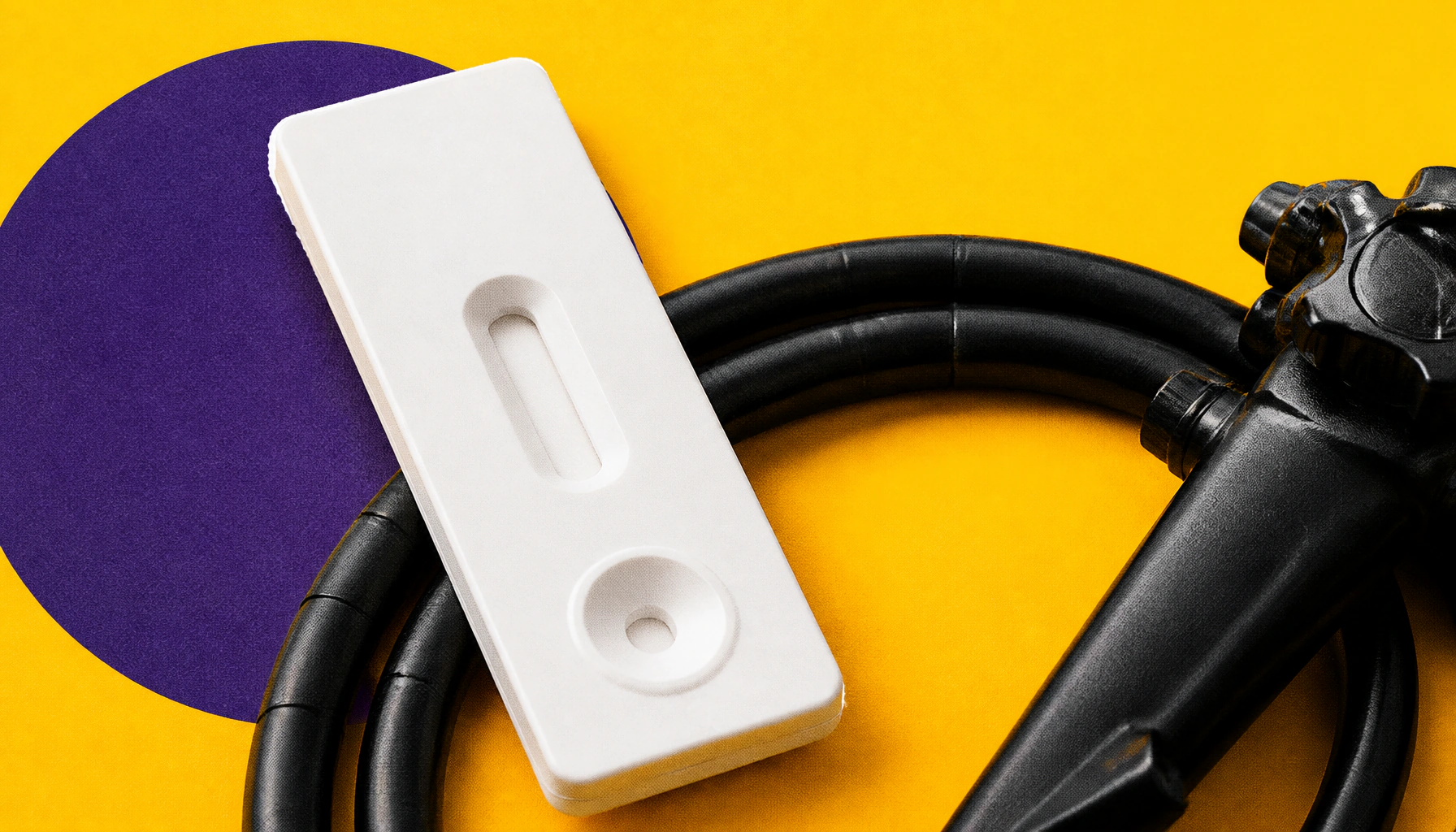
A simple stool test may help doctors decide who really needs a colonoscopy. A new study found that the fecal calprotectin (FC) test using a colloidal gold immunochromatographic assay (CGICA) accurately identified colorectal inflammation in patients with chronic diarrhea. It was especially strong at detecting inflammatory bowel disease, potentially reducing unnecessary invasive procedures.
A noninvasive stool test may be a reliable first step before sending chronic diarrhea patients for colonoscopy. A multicenter prospective study published in the Journal of Gastroenterology and Hepatology found that the colloidal gold immunochromatographic assay-based fecal calprotectin (CGICA-FC) test accurately identified colonoscopic abnormalities — particularly colorectal inflammation — in patients with chronic diarrhea.
The study enrolled 556 chronic diarrhea patients and 152 controls. Patients with Crohn's disease had the highest FC levels, followed by those with ulcerative colitis. The test performed especially well for detecting IBD and other forms of colitis, though it was less effective at distinguishing high-risk adenomas from normal findings.
By the Numbers:
Why it matters: With colonoscopy being invasive and resource-intensive, a validated noninvasive triage tool like CGICA-FC could streamline care, reduce unnecessary procedures, and help prioritize patients who truly need further workup.