Loading Curie Briefs...
Getting the latest healthcare news for you
Getting the latest healthcare news for you

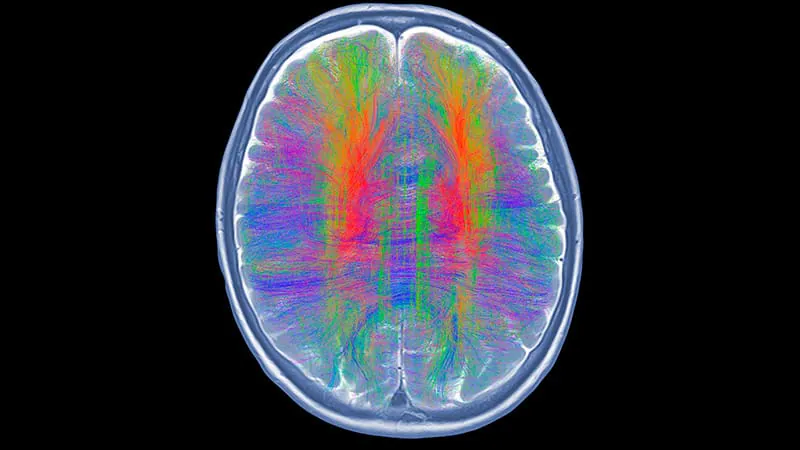
Brain scans can catch vascular damage before symptoms appear — and it's a red flag. A new study found that adults with MRI-defined preclinical vascular cognitive impairment (VCID) face significantly higher risks of cardiovascular disease and death, even when their thinking and memory seem fine. Researchers say the VasCog-2-WSO criteria could be a game-changer for early risk detection.
You don't have to show signs of cognitive decline for your brain to be in trouble. A new longitudinal study out of Taiwan followed over 1,200 community-dwelling adults aged 50+ for nearly a decade and found that MRI-detectable cerebrovascular disease — even without any memory or thinking problems — was tied to meaningfully higher risks of death and cardiovascular disease.
Using the VasCog-2-WSO neuroimaging criteria, researchers classified participants into VCID spectrum groups based on MRI findings like white matter changes, lacunes, and infarcts. Nearly 1 in 5 participants had MRI evidence of cerebrovascular disease, and most of them had no outward cognitive symptoms.
This study makes a compelling case for using brain MRI as a proactive risk-stratification tool — not just a diagnostic one. Identifying vascular vulnerability before cognitive symptoms emerge could open a critical window for earlier cardiovascular intervention and preventive care.