Loading Curie Briefs...
Getting the latest healthcare news for you
Getting the latest healthcare news for you

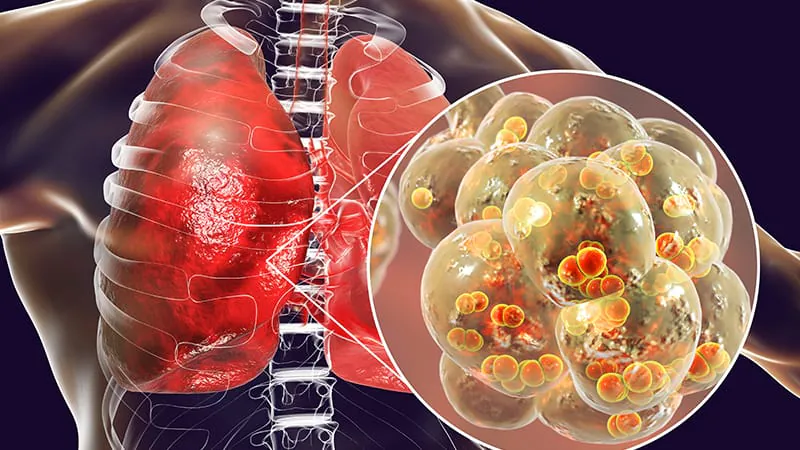
Childhood PCV13 vaccination has meaningfully reduced adult pneumonia hospitalizations across all age groups in the US. But a new study shows the progress isn't shared equally — Black adults, people with chronic conditions, and lower-income households still face significantly higher rates. Researchers say targeted strategies are urgently needed to close these persistent gaps.
The rollout of the 13-valent pneumococcal conjugate vaccine (PCV13) for children has delivered real benefits for adults too — pneumonia hospitalization rates dropped across all US adult age groups between 2008 and 2019. But a large retrospective study of nearly 39 million adults found that the gains haven't been evenly distributed, with stark disparities remaining in the most recent period studied (2017–2019).
Black adults, individuals with chronic or immunocompromising conditions, and those earning under $100,000 annually continued to bear a disproportionate share of the pneumonia burden. Among adults aged 18–49, Black adults had nearly twice the hospitalization rate of White adults even after PCV13 became widespread. Adults with high-risk comorbidities fared considerably worse relative to low-risk peers across all age groups.
By the Numbers:
Why it matters: PCV13 is a clear public health win, but this study is a reminder that vaccines alone can't fix structural inequities. Clinicians and policymakers need to pair vaccination efforts with targeted outreach to underserved communities to truly move the needle on pneumonia disparities.