Loading Curie Briefs...
Getting the latest healthcare news for you
Getting the latest healthcare news for you

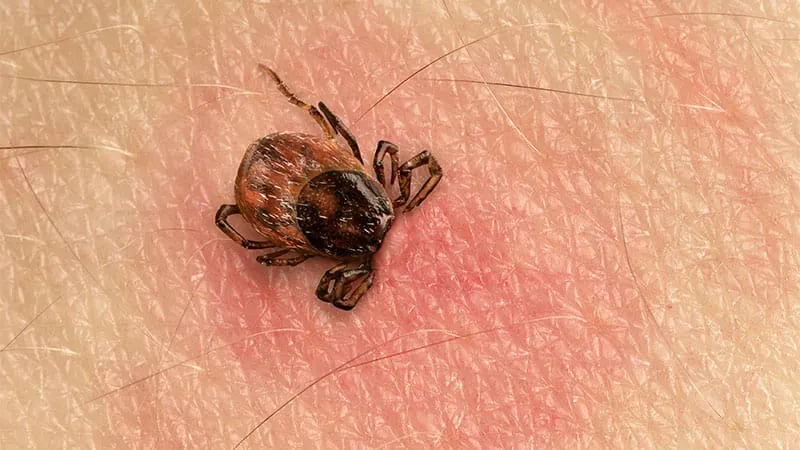
Lyme disease cases are climbing across Europe and the US, but diagnosis and prevention tools haven't kept pace. A new vaccine candidate from Pfizer and Valneva showed 73% efficacy in phase 3 trials, though its complex dosing schedule raises uptake concerns. Other emerging strategies — including monoclonal antibodies and a tick-killing oral drug — are still years from routine use.
Lyme disease cases are surging — Germany's Brandenburg state hit a record 102 cases per 100,000 residents in 2025, and Berlin logged more cases than any year since mandatory reporting began in 2013. Yet the tools to fight it haven't kept up. Early diagnosis remains hampered by a 2–6 week antibody lag, and experts say direct bacterial detection is still elusive. As one Johns Hopkins researcher put it: "Enabling earlier diagnosis remains one of the major unresolved goals."
On the prevention front, the most advanced candidate is LB6V, a vaccine co-developed by Pfizer and Valneva targeting the OspA antigen. Phase 3 VALOR trial data showed 73.2% efficacy after four doses, and the companies plan to seek regulatory approval — with a potential US and European launch targeted for the second half of 2027. But experts are skeptical: the four-dose schedule spanning nearly two years could dampen public uptake, and durability of protection remains unknown.
Key Takeaways:
Why it matters: With tick seasons lengthening due to climate change and Lyme cases rising across endemic regions, the gap between disease burden and prevention tools is widening. A first approved vaccine in decades would be a significant step forward — but only if patients and providers actually use it.