Loading Curie Briefs...
Getting the latest healthcare news for you
Getting the latest healthcare news for you


U.S. employers are consistently underestimating their healthcare costs, and the gap is widening. A new Business Group on Health survey projects a median 9.2% cost jump in 2027, while actual increases have outpaced predictions for three straight years. Rising GLP-1 drug costs, cancer spending, and provider consolidation are among the key culprits.
U.S. employers are finding it harder than ever to predict — let alone manage — their healthcare costs. A new survey from the Business Group on Health, covering 127 companies and 8.7 million workers, projects a median 9.2% increase in health costs for 2027 before any offsetting measures. The catch? Actual costs have exceeded employer predictions for each of the past three years, with last year's 8.8% increase coming in 2 percentage points above forecasts — the biggest miss on record outside of the pandemic's first year.
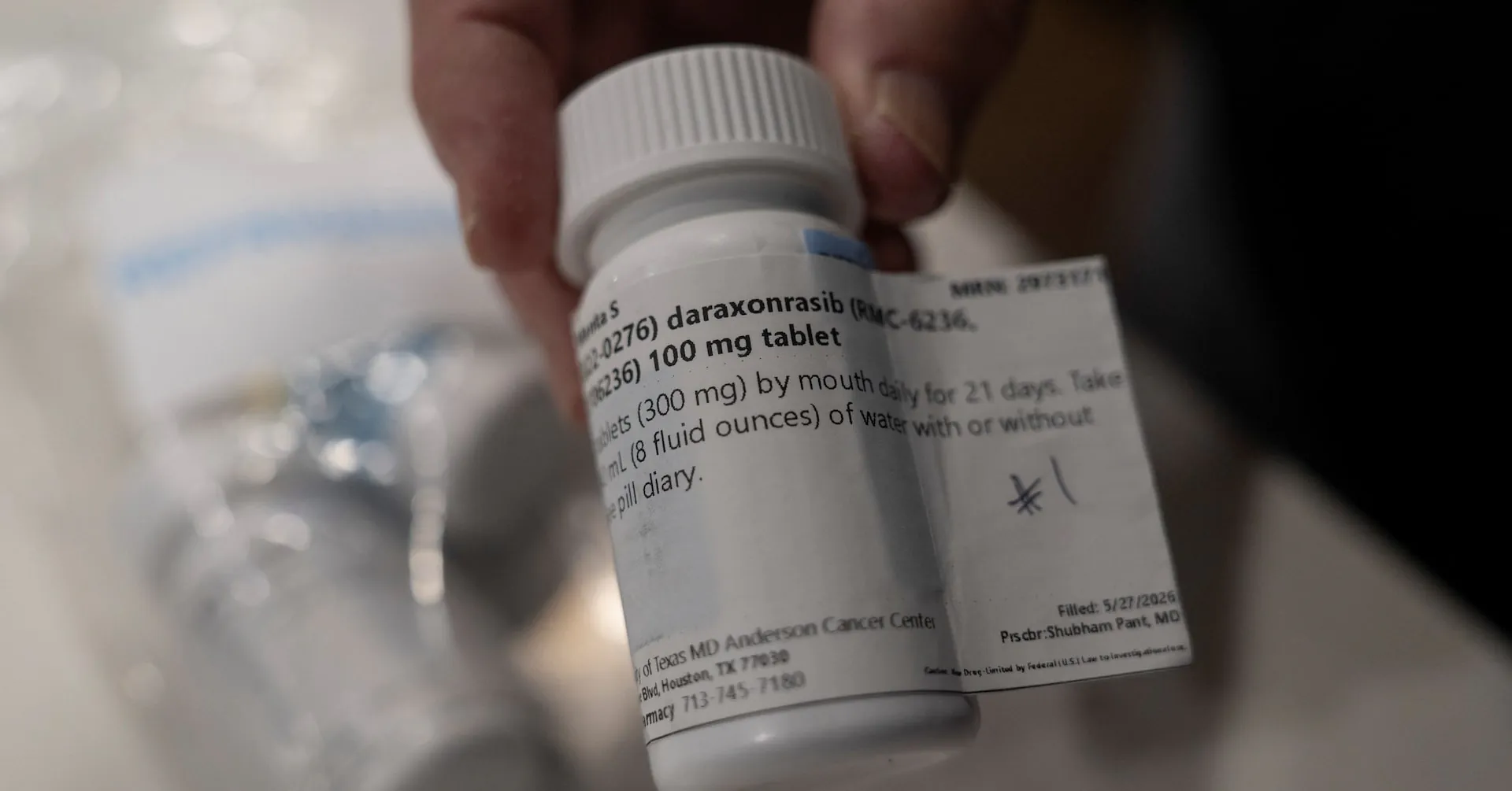
The culprits are many: soaring GLP-1 drug costs, cell and gene therapies, rising rates of chronic conditions, provider consolidation driving up bills, and more billing disputes heading to arbitration under the No Surprises Act. Cancer remains the top cost driver for the fifth consecutive year, cited by 70% of respondents, while maternity care costs are also climbing due to high-risk pregnancies and NICU stays.
By the Numbers:
Why it matters: When employers can't accurately forecast healthcare costs, the ripple effects hit wages, hiring, and business investment. Companies are increasingly restructuring or scaling back coverage — and workers are bearing more of the burden.