Loading Curie Briefs...
Getting the latest healthcare news for you
Getting the latest healthcare news for you

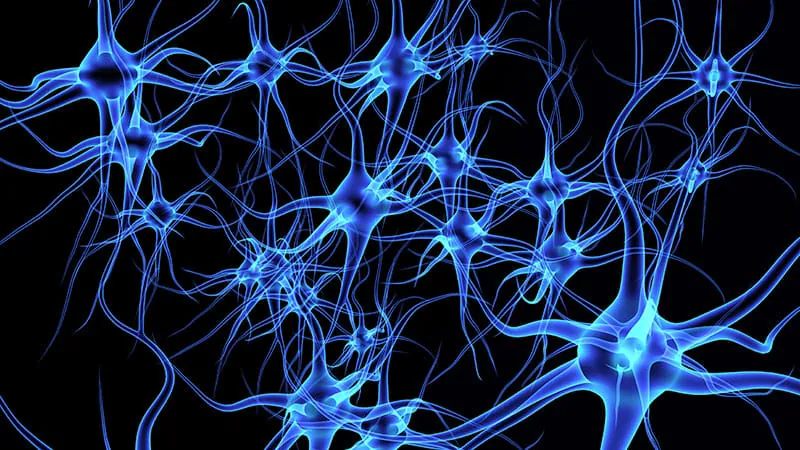
Neurofilament light chain (NfL) is emerging as a powerful blood-based biomarker for neurological damage, with the strongest evidence in MS and ALS. It can signal axonal injury, track disease activity, and gauge treatment response — but it can't pinpoint a diagnosis. Experts say the field still needs standardized assays, clearer reference ranges, and better guidance on how to act on results.
Neurofilament light chain (NfL) is rapidly gaining traction as a blood-based biomarker of neurological damage. When axons are injured, this structural protein leaks into the cerebrospinal fluid and bloodstream, making it a measurable signal of neuroaxonal stress. Thanks to advances in ultrasensitive assays, NfL can now be detected without a lumbar puncture — a major step toward routine clinical use.
The strongest evidence for NfL is in multiple sclerosis (MS) and ALS. In MS, it correlates with relapses, MRI lesions, disease activity, and response to disease-modifying therapies. In ALS, higher NfL levels predict faster decline, and treatment-related reductions in plasma NfL helped support the FDA's accelerated approval of tofersen for SOD1-ALS. Growing evidence also points to roles in Alzheimer's disease, Huntington disease, traumatic brain injury, and Parkinson's-related disorders.
Key Takeaways:
Why it matters: NfL could become neurology's equivalent of a vital sign for brain health — tracking injury in real time and signaling whether a treatment is working. But until assay harmonization and clinical algorithms catch up, its full potential remains just out of reach.