Loading Curie Briefs...
Getting the latest healthcare news for you
Getting the latest healthcare news for you

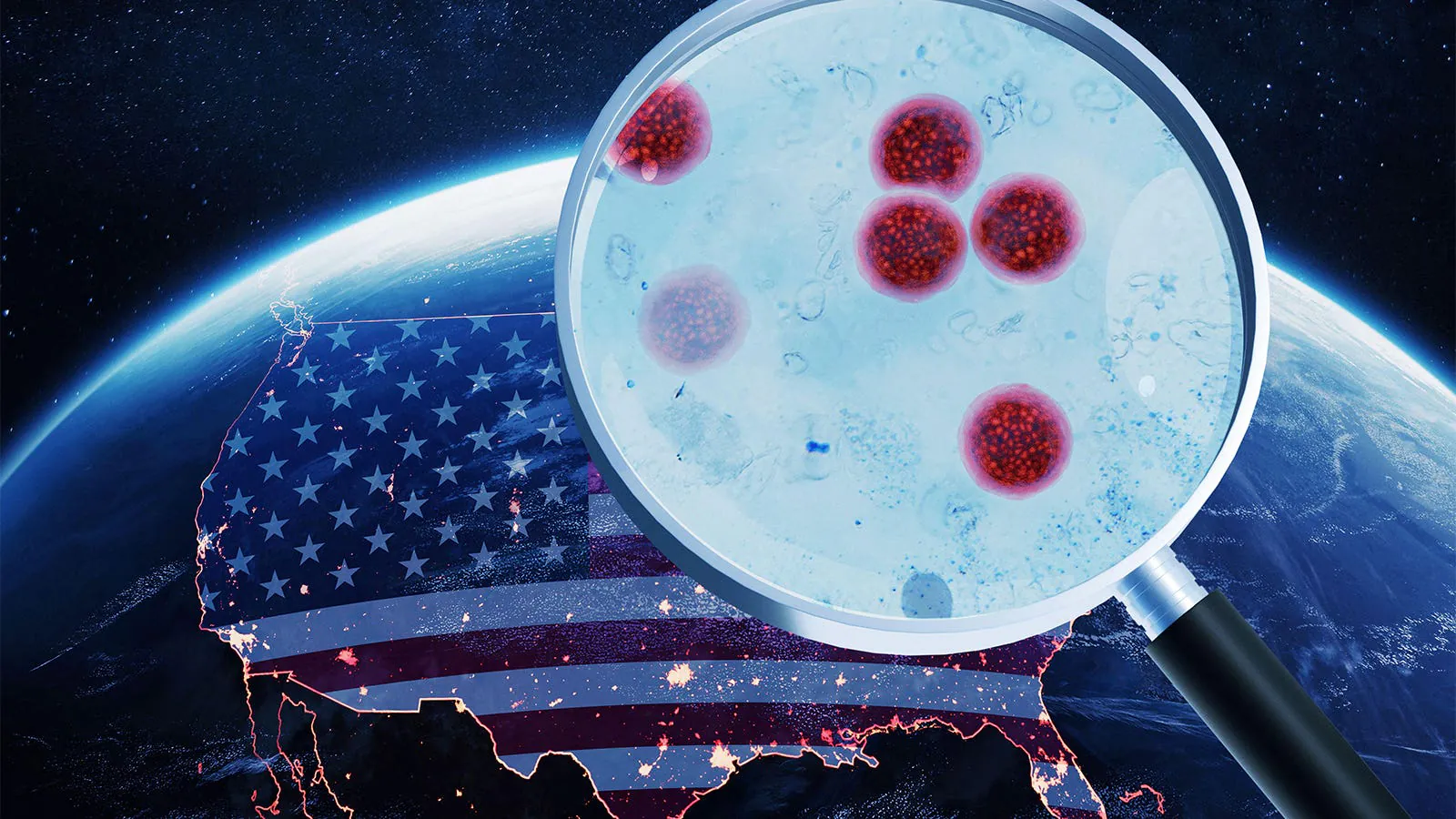
The massive Cyclospora outbreak tied to contaminated iceberg lettuce has sickened over 10,900 people across 17 states — but that may be just the tip of the iceberg. At least six other active outbreaks remain unsolved, and experts warn that Trump administration cuts to federal food safety surveillance have left public health officials weeks behind on investigations and unable to piece together the full picture.
The U.S. is in the midst of an unprecedented Cyclospora crisis. The headline outbreak — linked to Taylor Farms iceberg lettuce — has surpassed 10,900 confirmed cases across 17 states, with 454 hospitalizations and two deaths. But lurking beneath that story are at least six additional active outbreaks totaling 270 more cases, none of which have an identified source yet.
What's making this harder to unravel: the Trump administration scaled back federal food safety tracking infrastructure in 2025. As of July 1, 2025, FoodNet — the CDC's Foodborne Diseases Active Surveillance Network, a cornerstone of outbreak detection since 1996 — no longer requires states to report Cyclospora or five other pathogens. Only Salmonella and STEC remain mandatory. The result? Confirmed cases may go unreported, and it's increasingly difficult to distinguish Cyclospora from other causes of illness or to connect outbreak clusters nationally.
By the Numbers:
Why it matters: Public health officials are now relying heavily on state-level data — particularly from Michigan — rather than a coordinated federal response. Experts warn this surveillance gap isn't just a Cyclospora problem: it sets a concerning precedent for how the U.S. would respond to a deadlier foodborne pathogen. "We're tempting fate," one epidemiologist said. "This was a warning that our food safety system isn't functioning right."