Loading Curie Briefs...
Getting the latest healthcare news for you
Getting the latest healthcare news for you

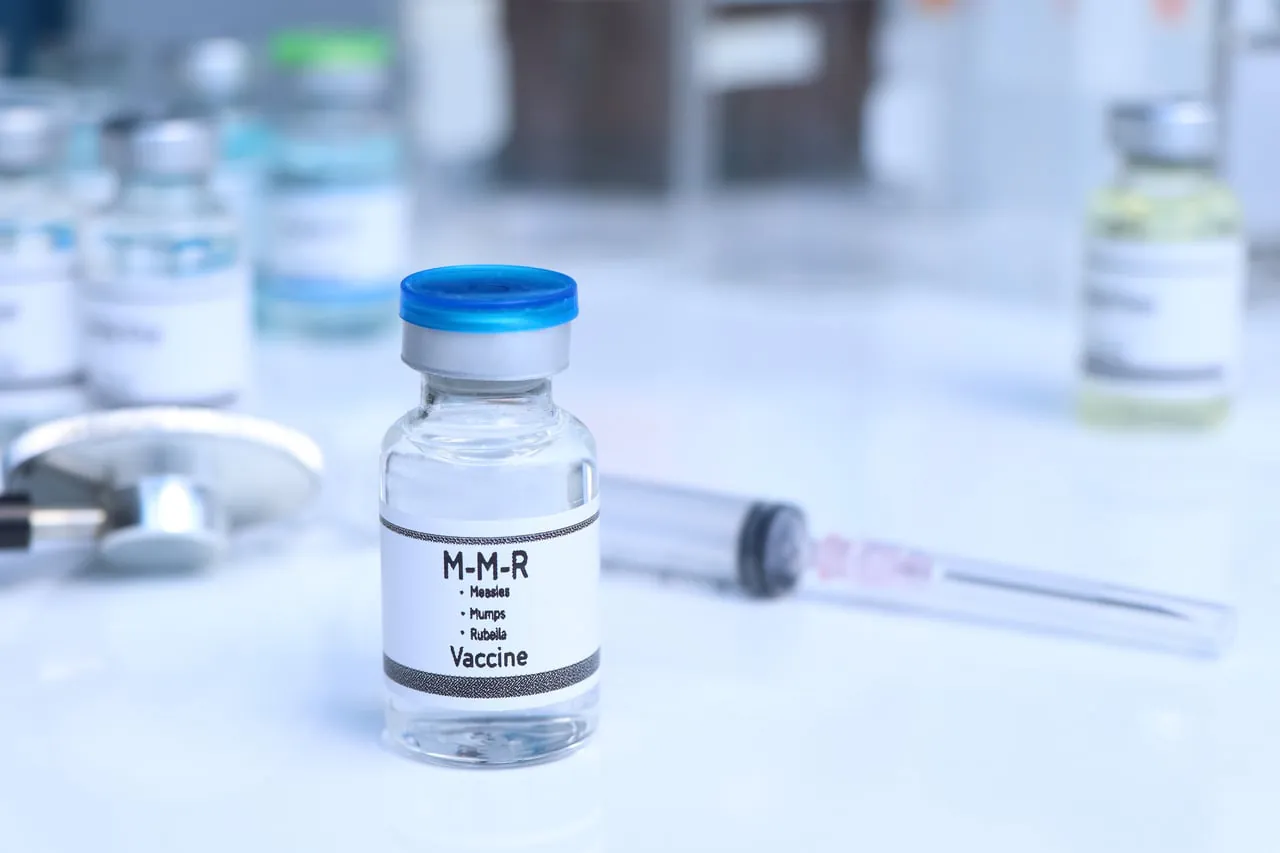
Two unvaccinated Pennsylvania residents have died from measles — the first US deaths of 2026 and the state's first in 35 years. Both lived in Lancaster County, the epicenter of Pennsylvania's outbreak. The US has now recorded 2,777 measles cases this year, the highest single-year total since the early 1990s, amid falling vaccination rates and growing policy uncertainty around the childhood vaccine schedule.
Two unvaccinated residents of Lancaster County, Pennsylvania, have died from measles — marking the first US measles deaths of 2026 and Pennsylvania's first in over three decades. The state has confirmed 393 cases across 28 counties this year, making it the third-hardest-hit state behind South Carolina (670 cases) and Utah (526). Health officials are urging the public to get vaccinated, noting that the MMR vaccine provides 97% lifetime protection after two doses.
Nationally, the picture is alarming. The US has logged 2,777 measles cases in 2026 — surpassing 2025's total of 2,289 and reaching the highest single-year count since the early 1990s. Vaccination coverage among kindergartners has slipped to 92.4% for the 2025–2026 school year, well below the 95% threshold needed for herd immunity. Only 11 states met that bar this year, and non-medical vaccine exemptions among students have more than doubled since 2020.
The policy backdrop is adding fuel to the fire. President Trump signed an executive order this month to reduce recommended childhood vaccines from 17 to 11 and explore splitting the MMR vaccine into three separate shots — a move widely condemned by medical groups. HHS has also opened a public Request for Information on how childhood vaccine recommendations may be restructured going forward.
By the Numbers:
Why it matters: These deaths underscore the real-world consequences of declining vaccination rates and shifting federal vaccine policy. With the US measles elimination status up for review in November, public health experts warn the country may lose a milestone it achieved 26 years ago — a setback that could take years to reverse.