Loading Curie Briefs...
Getting the latest healthcare news for you
Getting the latest healthcare news for you

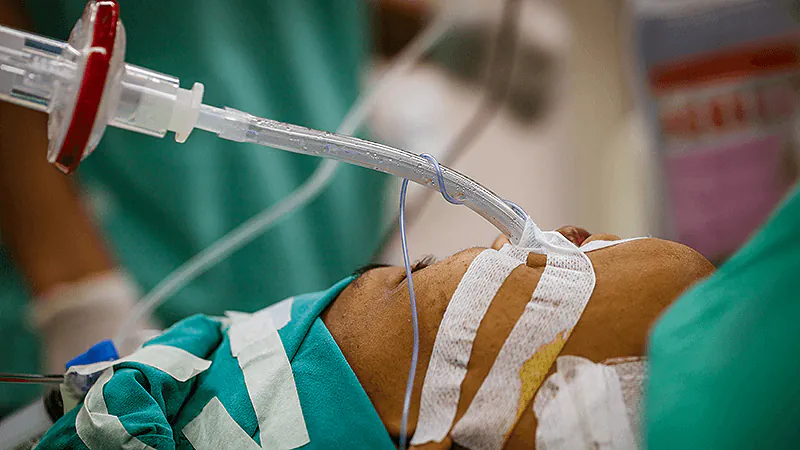
A new multicenter study found that reversing paralysis with sugammadex improved neurologic assessments in over half of brain injury patients. Among 362 ED patients with traumatic brain injury or intracranial hemorrhage, 54% showed a meaningful improvement in consciousness scores after the drug reversed rocuronium-induced paralysis. Those who responded also had significantly better survival rates.
A large multicenter study across 11 US emergency departments found that sugammadex — a drug used to reverse rocuronium-induced paralysis — helped clinicians get a clearer picture of neurologic status in critically ill brain injury patients. Among 362 adults with traumatic brain injury (TBI) or spontaneous intracranial hemorrhage (sICH), more than half showed improved consciousness after paralysis was reversed.
Patients who responded positively were more likely to need new pain or sedation medications within 30 minutes, suggesting their neurologic activity had been masked by the paralytic. They were also more likely to undergo neurosurgical procedures, though that difference wasn't statistically significant.
By the Numbers:
Why it matters: In the chaotic ED setting, paralytic agents can obscure a patient's true neurologic condition. This study suggests that strategically reversing paralysis with sugammadex may not only improve assessment accuracy but also guide treatment decisions — and may be linked to better survival outcomes.