Loading Curie Briefs...
Getting the latest healthcare news for you
Getting the latest healthcare news for you

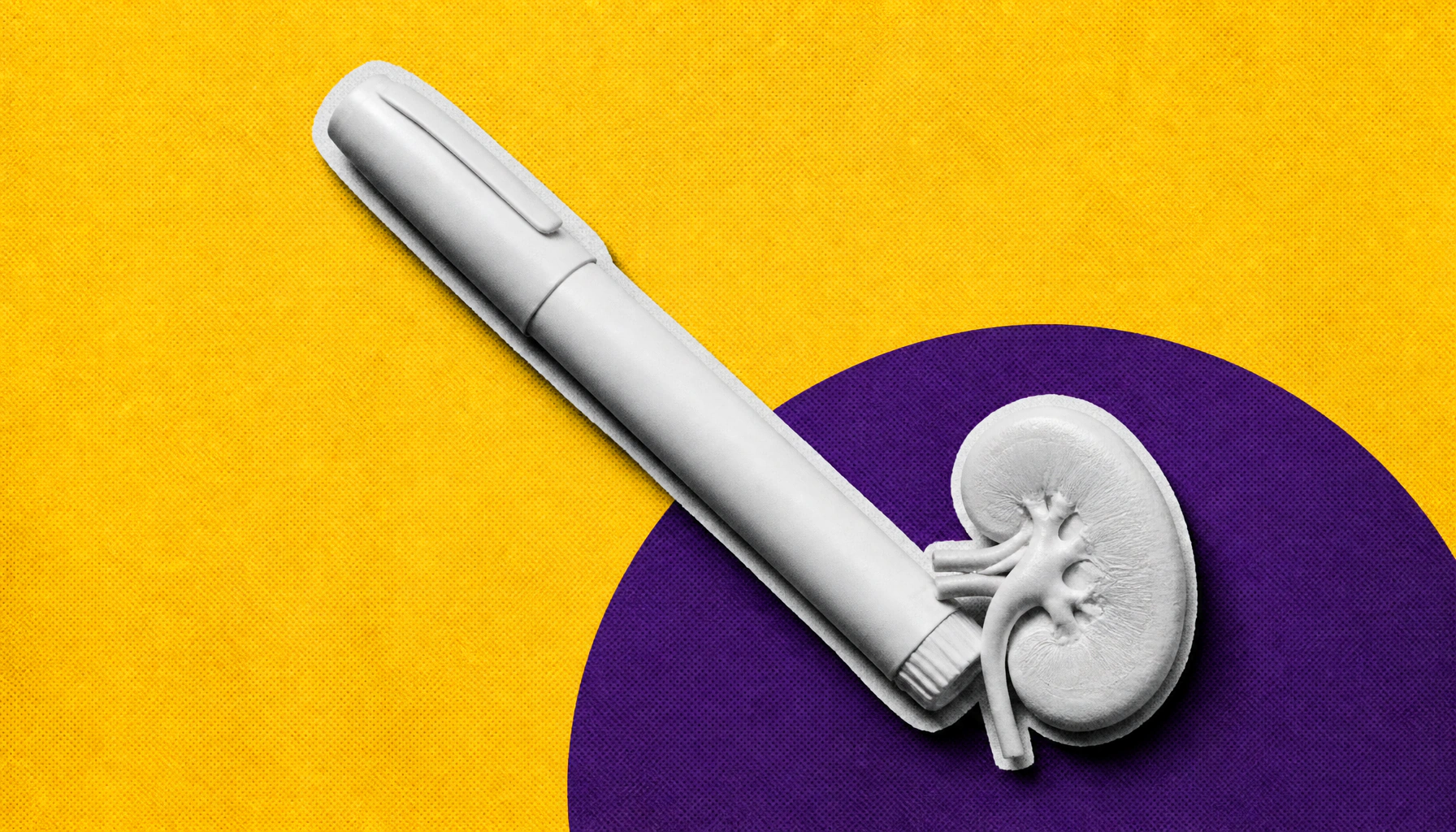
GLP-1 drugs are increasingly prescribed to patients with chronic kidney disease (CKD), and dietitians are stepping up as key members of the care team. From screening candidates before the prescription is written to managing appetite suppression, GI side effects, and weight changes, their role is both broad and critical. A team-based approach is essential for keeping these patients safe and on track.
GLP-1 receptor agonists are gaining traction among patients with chronic kidney disease (CKD), offering the potential to improve glucose control, weight, and clinical outcomes all at once. But as KDIGO's May 2025 commentary put it, "the hard work is just beginning" — and much of that work falls to dietitians.
Renal dietitians are uniquely positioned to support patients before, during, and after GLP-1 therapy begins. Their role spans identifying suitable candidates, monitoring nutritional adequacy, managing GI side effects, and helping patients stick with treatment long-term. Given that CKD patients already face elevated risks for protein-energy wasting, frailty, and sarcopenia, the appetite-suppressing effects of GLP-1 drugs add another layer of complexity.
Key Takeaways:
Why it matters: As GLP-1 prescriptions rise across the CKD population, dietitians aren't just a support role — they're a frontline safeguard. Without their involvement, patients face real risks of malnutrition, dehydration, and treatment dropout. A comprehensive, interdisciplinary approach isn't optional; it's the standard of care.