Loading Curie Briefs...
Getting the latest healthcare news for you
Getting the latest healthcare news for you

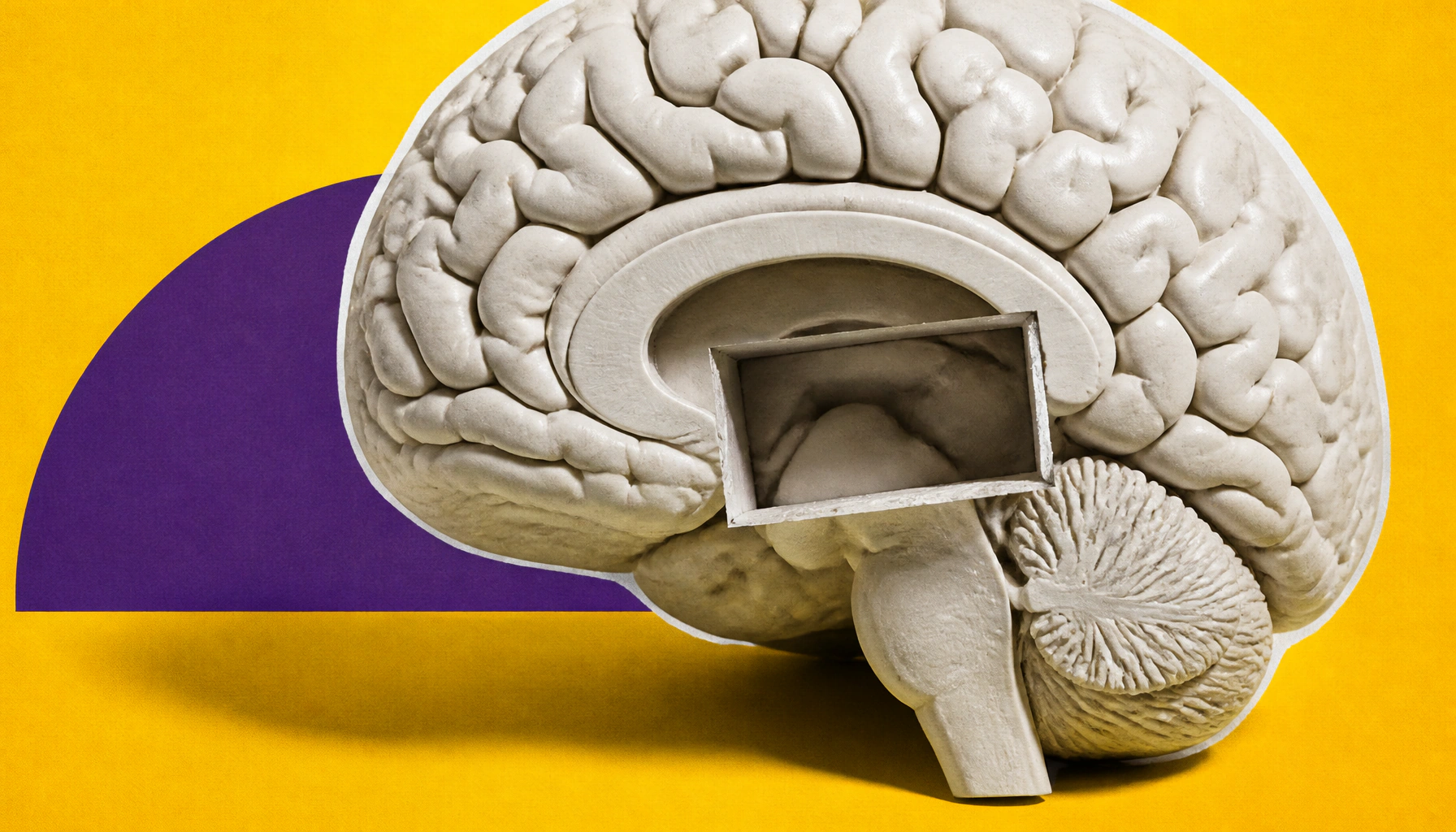
A landmark Columbia University study found the first direct evidence that depression disrupts the growth of new neurons in the hippocampus — the brain region tied to memory and emotion. This breakdown may explain why people with depression struggle to separate painful past memories from new experiences. The findings also reveal broad molecular changes that could pave the way for more personalized depression treatments.
A major new study from Columbia University Irving Medical Center has found the first evidence that major depressive disorder (MDD) disrupts neurogenesis — the brain's ability to produce new neurons — in the adult hippocampus. While most neurons are formed before birth, the hippocampus is one of the few regions that continues generating new brain cells throughout life. Researchers believe this ongoing process plays a key role in emotional resilience and memory, and when it stalls, it may leave people with depression unable to distinguish new experiences from old, painful ones.
This impairment in "pattern separation" could explain a common symptom in depression: the tendency to interpret neutral or ambiguous situations through a negative lens. For example, a quiet lunch with a friend might feel like rejection rather than a one-off moment. Researchers also found widespread molecular disruptions across the hippocampal circuit — including inflammation, cellular stress, and changes in genes linked to MDD — suggesting depression may not be a single disease but a collection of biologically distinct conditions.
Key Takeaways
Why it matters: Current depression treatments work for many but not all patients. By mapping the cellular and molecular landscape of depression, this research opens the door to precision psychiatry — treatments tailored to a patient's specific biological subtype of depression.