Loading Curie Briefs...
Getting the latest healthcare news for you
Getting the latest healthcare news for you

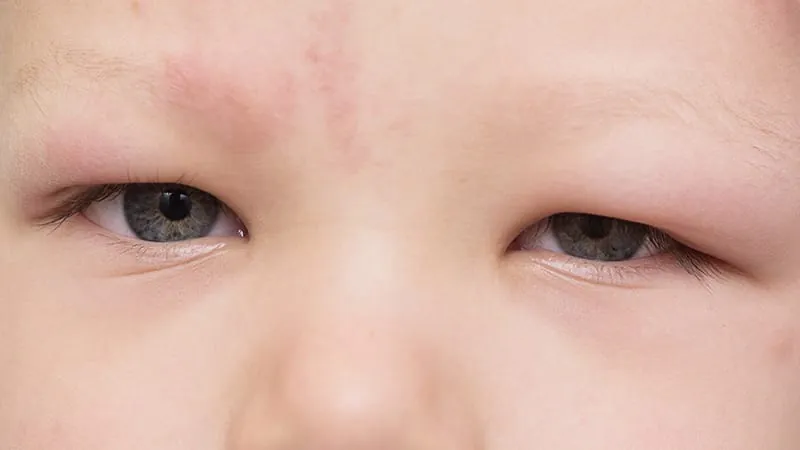
Babies under a year old are more likely to experience biphasic anaphylaxis — a second wave of severe allergic reaction hours after the first. A new Australian study found that cardiovascular warning signs like pallor and low blood pressure during the initial reaction can flag which infants are at greatest risk. Experts suggest these high-risk babies may need more than the standard 4-hour observation window in the ER.
Anaphylaxis in babies and young toddlers doesn't always look the way you'd expect. Instead of the classic hives-and-throat-swelling picture, infants often present with pallor, limpness (hypotonia), and persistent crying — symptoms that can be easy to miss or misread. A new Australian retrospective study of 243 confirmed anaphylaxis cases in children aged 0–2 years sheds light on which of these tiny patients are most at risk for a second, potentially life-threatening reaction.
The study found that 4.6% of cases involved biphasic anaphylaxis — a second anaphylactic episode occurring 1–48 hours after the first, without any new allergen exposure. Biphasic reactors tended to be younger (median age 7 months vs. 10 months for single-reaction cases) and were more likely to show cardiovascular signs during their initial reaction. All biphasic cases were triggered by food, with cooked egg being the most common culprit.
Key Takeaways:
Why it matters: Biphasic anaphylaxis is rare but dangerous, and identifying which infants are at risk could be lifesaving. This study gives clinicians practical, bedside clues to guide observation decisions in one of medicine's most vulnerable patient groups.


