Loading Curie Briefs...
Getting the latest healthcare news for you
Getting the latest healthcare news for you

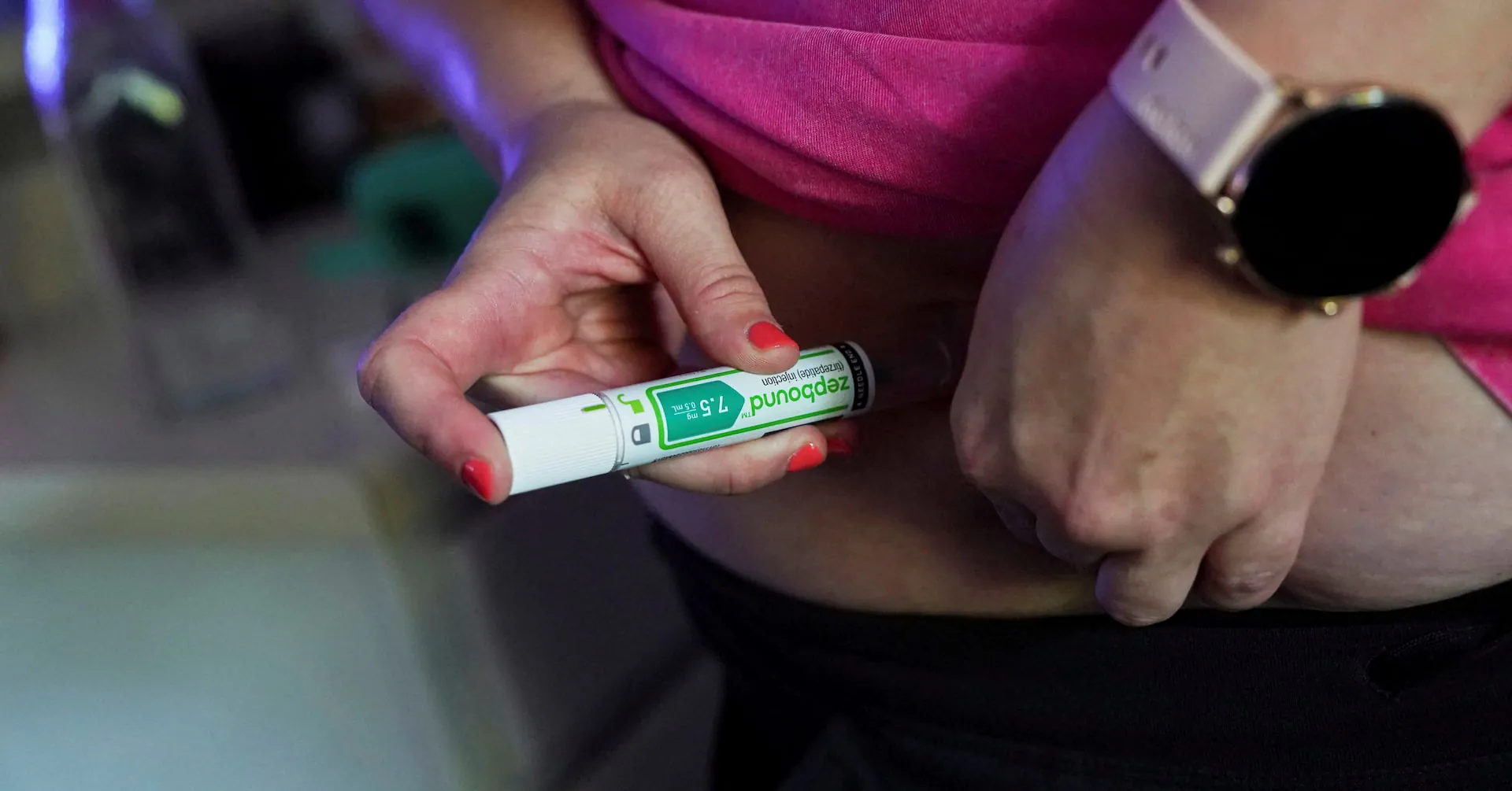
More employers are pulling the plug on GLP-1 weight-loss drug coverage as healthcare costs spiral upward. About 14% of U.S. employers have already dropped or plan to drop GLP-1s in 2027, up from 10% earlier this year, per the Business Group on Health. Overall employer healthcare costs are projected to rise 9.2% in 2027 if no action is taken.
GLP-1 weight-loss drugs like Wegovy and Zepbound are increasingly getting cut from employer health plans — and the trend is accelerating. A Business Group on Health survey released in August 2026 found that about 14% of U.S. employers have already dropped or plan to drop GLP-1 coverage in 2027, up from roughly 10% reported in a June survey. The share of employers covering these drugs has already slipped from 72% in 2025 to 60% in 2026.
The culprit? Soaring costs across the board. Employer healthcare spending is projected to jump 9.2% in 2027 — up from 8.5% in 2026 — if companies don't act. Pharmacy costs alone account for 25% of employer healthcare spending and are expected to rise 12% next year. Even as pill versions of GLP-1s (starting at ~$149/month) have brought unit prices down, a growing pool of eligible patients is keeping total costs high.
By the Numbers:
Why it matters: As GLP-1 drugs become more popular — and more expensive — employers are being forced to make tough coverage calls. For patients relying on employer insurance, losing this benefit could mean paying $499–$1,349/month out of pocket, putting effective obesity treatment out of reach for many.