Loading Curie Briefs...
Getting the latest healthcare news for you
Getting the latest healthcare news for you

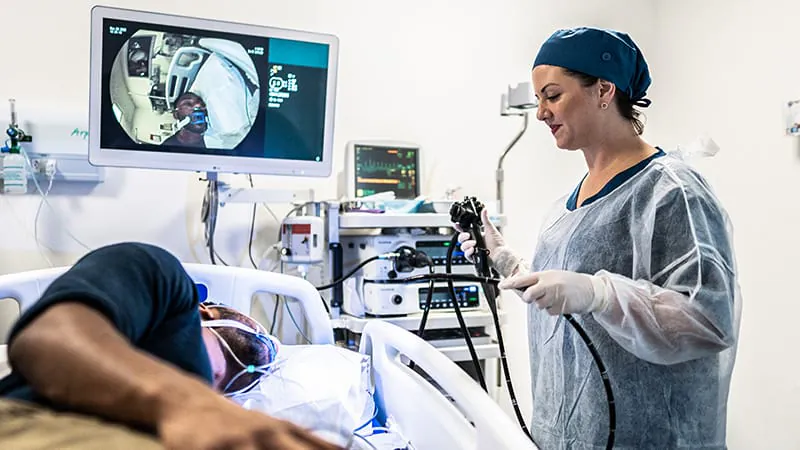
Single-use GI endoscopes were developed as a safer, cleaner alternative — but a new meta-analysis says not so fast. Researchers found that single-use and partially single-use scopes performed similarly to, or slightly worse than, reusable endoscopes in technical performance and diagnostic accuracy. A blanket switch away from reusable scopes isn't recommended, except for duodenoscopes or high-infection-risk situations.
Single-use GI endoscopes were developed to reduce the risk of cross-contamination from reusable scopes — but a major new meta-analysis suggests they may not be the upgrade many hoped for. Analyzing 50 studies across duodenoscopes, upper GI, and lower GI endoscopes, researchers found that single-use devices performed similarly to, or slightly worse than, their reusable counterparts in technical performance and diagnostic accuracy.
The details vary by scope type. Single-use duodenoscopes required crossover to reusable devices in 7% of cases, and single-use lower GI scopes showed lower image quality, poorer detection of small polyps, and significantly longer procedure times for endoscopic mucosal resection (466 vs. 206 seconds). On the infection front, evidence was mixed — one study showed fewer post-ERCP infections with single-use duodenoscopes, but a follow-up by the same research group found no significant difference.
Key Takeaways:
Why it matters: With healthcare systems weighing cost, safety, and performance, this study urges a more targeted, case-by-case approach to single-use endoscopes — rather than a one-size-fits-all policy shift.