Loading Curie Briefs...
Getting the latest healthcare news for you
Getting the latest healthcare news for you


The 2025 freeze on PEPFAR funding caused sweeping disruptions to HIV prevention and treatment programs across dozens of countries, with the hardest hits falling on key populations and community-based services. New research presented at AIDS 2026 in Rio de Janeiro found over 1,700 service sites closed, 16,000+ health workers lost, and prevention spending slashed by 51%. Experts warn that if disruptions persist, hundreds of thousands of new infections and deaths could follow.
The 2025 freeze on U.S. PEPFAR funding triggered widespread collapse of HIV services across 46 countries, according to two studies presented at the AIDS 2026 conference in Rio de Janeiro. A survey of 166 PEPFAR implementing partners found that 77% had a delayed or terminated award, over 1,700 service delivery sites shut down, and more than 16,000 full-time health workers were lost — many in regions already stretched thin on healthcare resources.
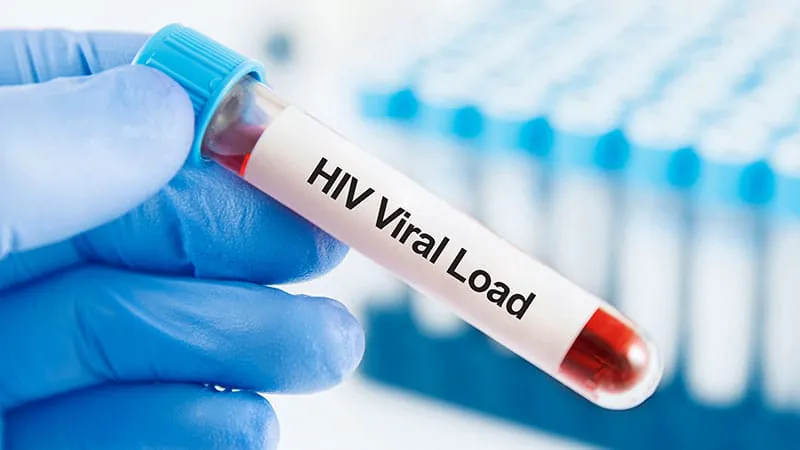
Prevention services took the steepest hit. In sub-Saharan Africa, voluntary male circumcision dropped 88%, viral load testing fell 68%, PrEP access declined 64%, and ART initiation dropped 30%. Key population services — for groups like sex workers, men who have sex with men, and people who inject drugs — were disproportionately affected, with 73% of partners permanently stopping at least one service for these groups. Prevention spending fell 51% from FY2024 to FY2025.
By the Numbers:
Why it matters: Experts warn that the damage extends far beyond a temporary funding gap — it threatens to reverse two decades of hard-won progress against HIV. Rebuilding trust, staffing, and infrastructure will take years, and with HIV, every day of disrupted care translates to new infections and preventable deaths.