Loading Curie Briefs...
Getting the latest healthcare news for you
Getting the latest healthcare news for you

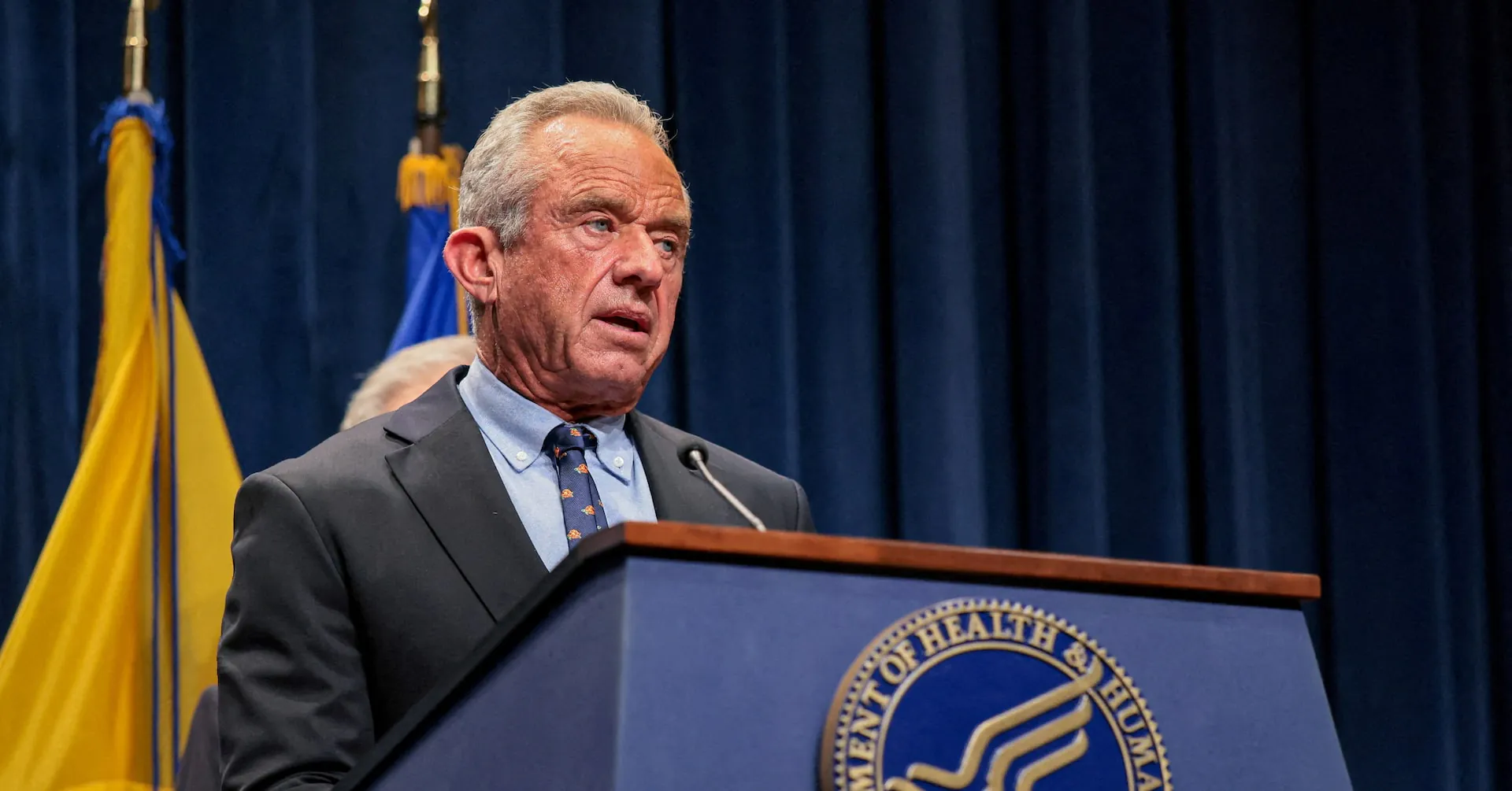
Four Democratic senators are calling out HHS Secretary Robert F. Kennedy Jr. for giving conflicting accounts of how he handled his financial interest in Gardasil vaccine litigation. Merck settled the HPV vaccine lawsuits for $50 million earlier this year — cases Kennedy was personally involved in as an attorney. Senators say his latest statements don't match his earlier ethics filings, raising fresh conflict-of-interest concerns.
Four Democratic senators are putting HHS Secretary Robert F. Kennedy Jr. on the spot over shifting explanations about his financial ties to Gardasil vaccine litigation. In a letter sent Monday, Sens. Elizabeth Warren, Angela Alsobrooks, Richard Blumenthal, and Andy Kim pointed out that Kennedy's recent public statements appear to contradict his earlier written testimony and federal ethics filings — raising serious conflict-of-interest questions for the nation's top health official.
Before becoming HHS Secretary, Kennedy was an attorney of record in lawsuits against Merck over its HPV vaccine Gardasil, and made millions referring cases to the Wisner Baum law firm. Merck settled those cases for $50 million in June 2026. Kennedy initially planned to keep a 10% fee from any Gardasil settlement, then said he'd transfer that stake to a son — but he recently claimed on social media that neither he nor his family received "a penny" from the settlement.
The senators are now demanding clarity on why his ethics filings don't match his current account, and why he has refused to recuse himself from federal vaccine policy decisions — including oversight of the Vaccine Injury Compensation Program — despite his prior financial entanglements.
Key Takeaways:
Why it matters: The controversy cuts to the heart of public trust in federal vaccine policy. With the HHS Secretary simultaneously overseeing vaccine regulation and having personal financial ties to vaccine litigation, the conflict-of-interest concerns could undermine confidence in U.S. health agency decisions.


