Loading Curie Briefs...
Getting the latest healthcare news for you
Getting the latest healthcare news for you

Eating more antioxidants might be linked to a lower cervical cancer risk — but don't rewrite your diet just yet. A new study found an 11.4% lower cervical cancer prevalence per unit increase in a dietary antioxidant index, but experts say the research is riddled with limitations, including a tiny sample, missing HPV data, and a design that can't prove causation.
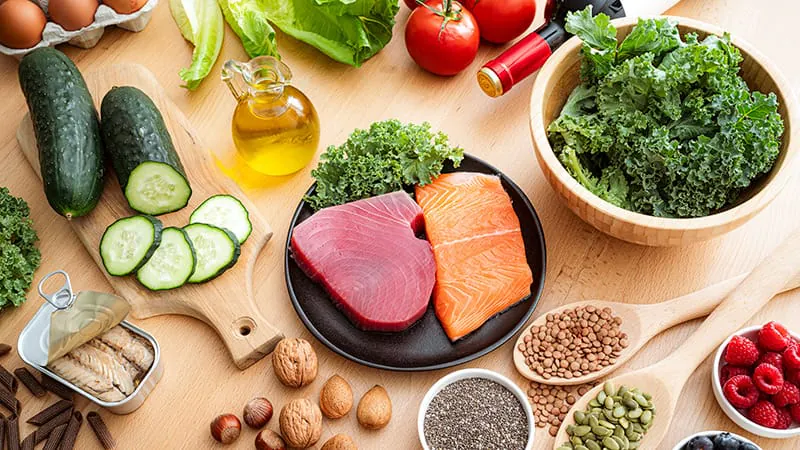
A new study suggests that a diet rich in antioxidants — think zinc, selenium, and vitamins A, C, and E — may be associated with a modestly lower risk of cervical cancer. Researchers used a Composite Dietary Antioxidant Index (CDAI) and found that each one-unit increase was linked to an 11.4% lower prevalence of the disease, with the association holding across demographic and health subgroups.
But experts are urging caution. The study's cross-sectional design captures only a single snapshot in time, and the final sample was just 174 cervical cancer cases matched to 870 controls — a small pool drawn from over 80,000 NHANES participants. Critically, the study lacked data on HPV vaccination status, screening history, cervical dysplasia, and immunosuppression — all major factors in cervical cancer development.
Key Takeaways:
Why it matters: While the biological rationale — antioxidants modulating immune response to HPV — is plausible, the current evidence is too weak for clinical recommendations. More robust longitudinal studies are needed before dietary antioxidants can be considered a meaningful tool in cervical cancer prevention.