Loading Curie Briefs...
Getting the latest healthcare news for you
Getting the latest healthcare news for you

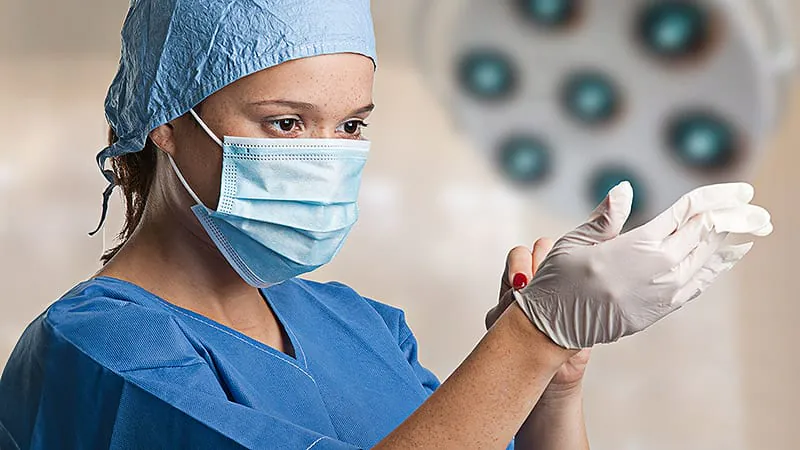
Burn care has evolved from simply keeping patients alive to prioritizing functional recovery and quality of life. Specialized multidisciplinary units, new therapies like bromelain-based enzymatic debridement, and structured post-discharge follow-up are reshaping how critically ill burn patients are treated. Experts say centralizing complex cases in referral centers is key to better outcomes.
Burn care has undergone a major philosophical shift — it's no longer enough to just keep patients alive. Specialists now measure success by how well patients recover physically, cognitively, and psychologically. This evolution has been driven by the rise of highly specialized burn units, multidisciplinary teams (think intensivists, plastic surgeons, psychologists, and rehab specialists all working together), and a growing focus on long-term follow-up after ICU discharge.
One of the biggest therapeutic game-changers? Bromelain-based enzymatic debridement, which selectively removes dead tissue at the bedside — no operating room needed. It preserves healthy tissue, reduces bleeding, and improves outcomes especially for hands and face injuries. Other advances include better hemodynamic monitoring, individualized mechanical ventilation, early rehabilitation, and ECMO for severe respiratory failure from smoke inhalation.
Key Takeaways:
Why it matters: As forest fires grow more frequent and severe globally, the demand for expert burn care is rising. Ensuring that healthcare systems have the infrastructure, training, and research capacity to meet that demand is more urgent than ever.