Loading Curie Briefs...
Getting the latest healthcare news for you
Getting the latest healthcare news for you

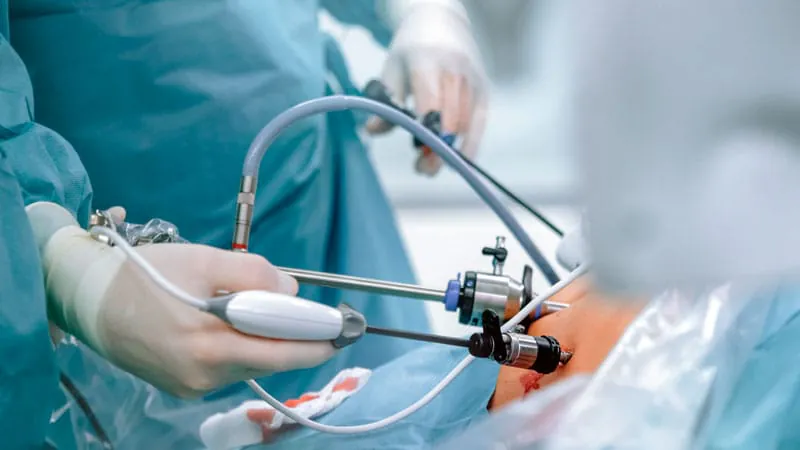
Bariatric surgery is underused despite its proven results. A 63-year-old New Hampshire woman lost 70 lbs after gastric bypass surgery — and ditched her diabetes and cholesterol meds in the process. Experts say fewer than 2% of eligible patients ever get the surgery, and they're on a mission to change that.
Christine Andre, 63, spent four decades trying to lose weight before finally turning to gastric bypass surgery last year. Ten months later, she'd shed 70 lbs, dropped five clothing sizes, and no longer needed metformin for diabetes or a statin for high cholesterol. Her story highlights both the transformative potential of bariatric surgery — and how rarely it's actually used.
Surgeons at the New England Weight Management Institute emphasize that bariatric surgery is far from a quick fix. Patients undergo months of preparation including behavioral counseling, nutritional coaching, exercise physiology assessments, and mental health evaluations. Post-surgery, Andre worked out up to six times a week and tracked her body measurements bimonthly. The program's team notes that 80% of patients who follow through lose 40% of their body weight and maintain it long-term.
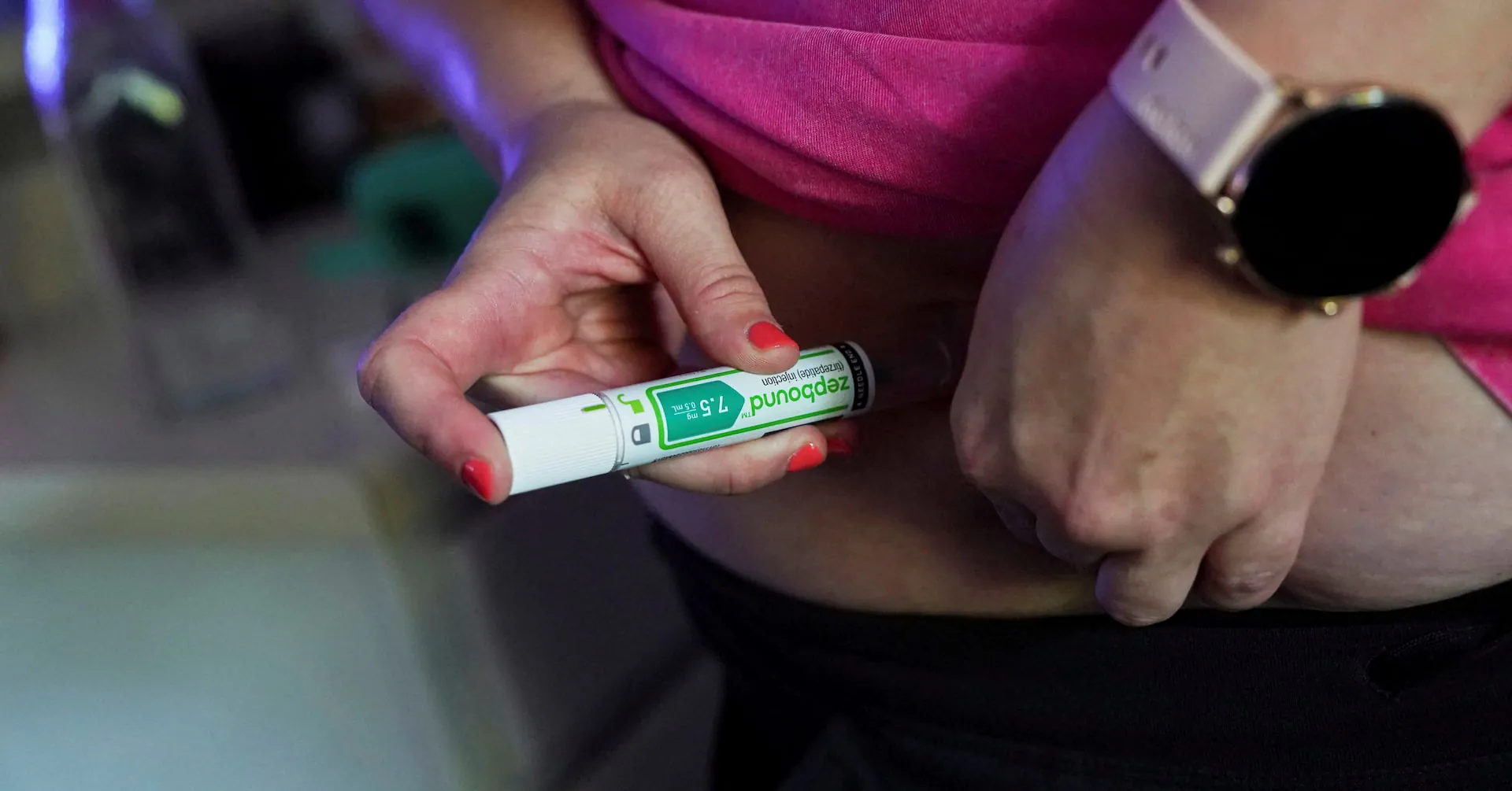
A growing trend: patients who've tried GLP-1 medications and aren't satisfied with results or tolerability are increasingly converting to surgical options — an estimated 15% conversion rate over recent years.
By the Numbers
Why it matters: With obesity driving enormous healthcare costs and comorbidities, experts argue that more aggressive treatment — including surgery — could prevent downstream disease. PCPs play a key role in identifying candidates and starting the conversation.