Loading Curie Briefs...
Getting the latest healthcare news for you
Getting the latest healthcare news for you

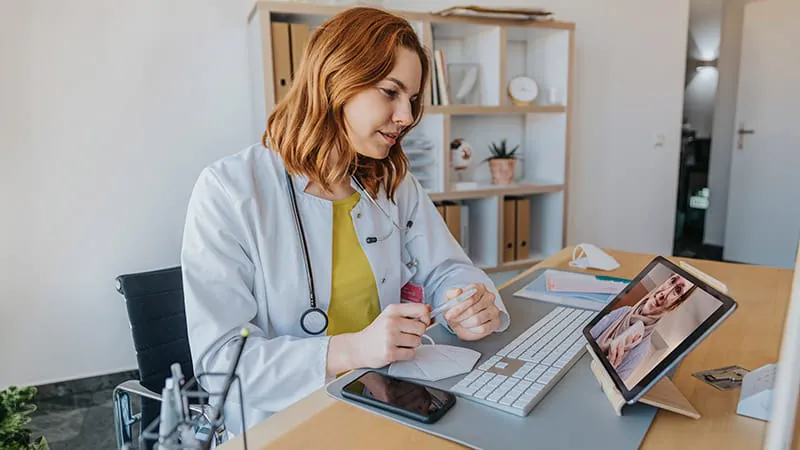
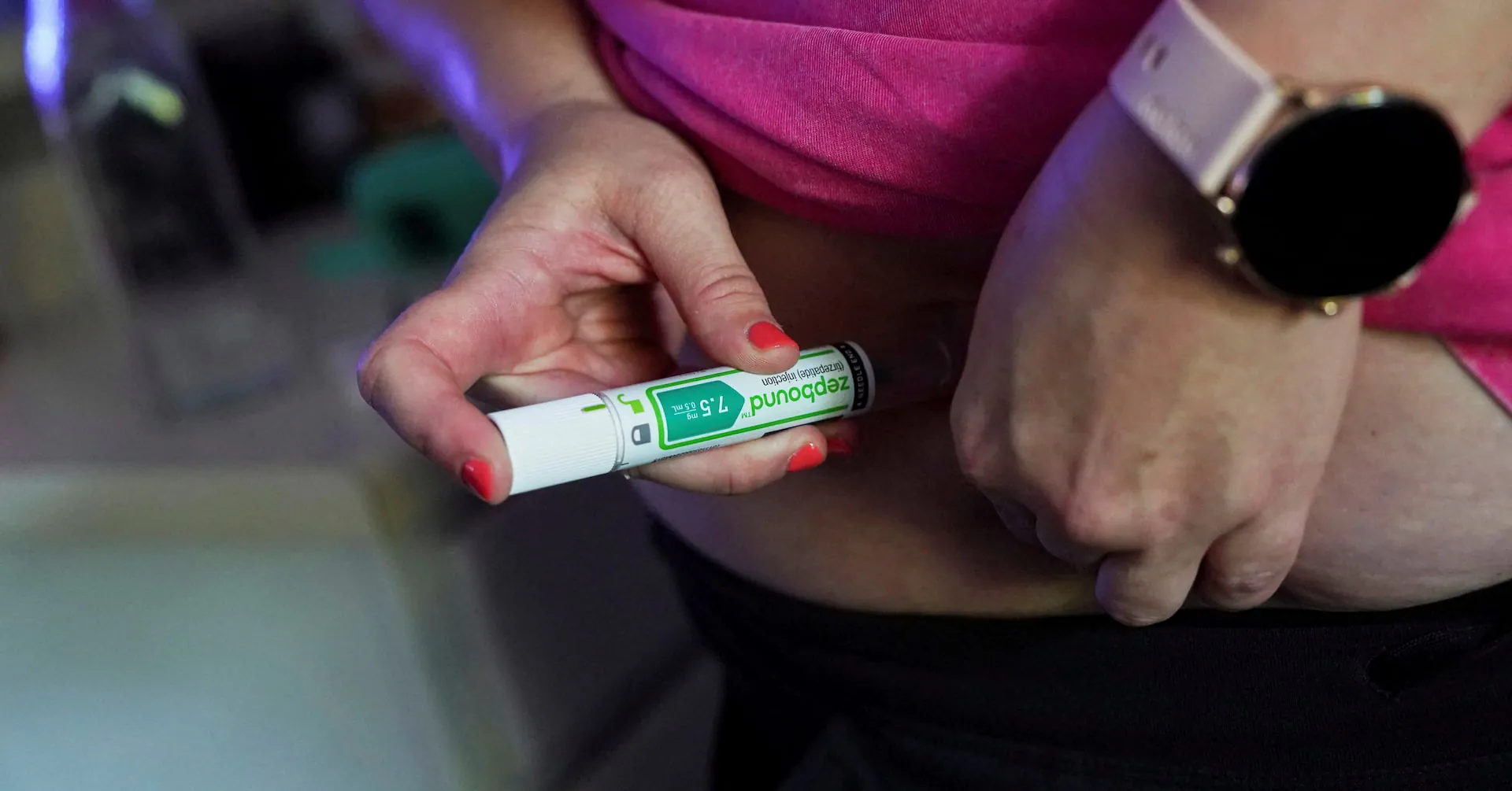
Telehealth can boost access to GLP-1 medications for obesity, but experts say it shouldn't be the only model of care. Key evaluations — like physical exams, body composition testing, and metabolic monitoring — simply can't be done over a screen. Without in-person oversight, patients face real risks including hypotension, sarcopenia, nutritional deficiencies, and dangerous medication interactions.
Telehealth has made GLP-1 medications more accessible — especially for rural and underserved patients — but clinicians are raising red flags about using it as the sole model for managing obesity. Experts say obesity is a complex, chronic, relapsing disease that demands longitudinal, multidisciplinary care, not just a prescription delivered through a screen.
A 2025 joint advisory from four major medical societies recommends that GLP-1 initiation include a comprehensive physical exam, nutritional assessment, eating and mood disorder screening, and a full lifestyle evaluation — none of which can be reliably done via telehealth alone. The WHO's 2025 GLP-1 guideline echoes this, calling for integrated, patient-centered care that pairs medication with behavioral and medical management.
Key Takeaways:
Why it matters: As GLP-1 prescribing continues to surge, the delivery model matters as much as the medication itself. Telehealth can be a valuable part of the care equation — but experts agree it shouldn't carry the full load for a disease as complex as obesity.