Loading Curie Briefs...
Getting the latest healthcare news for you
Getting the latest healthcare news for you

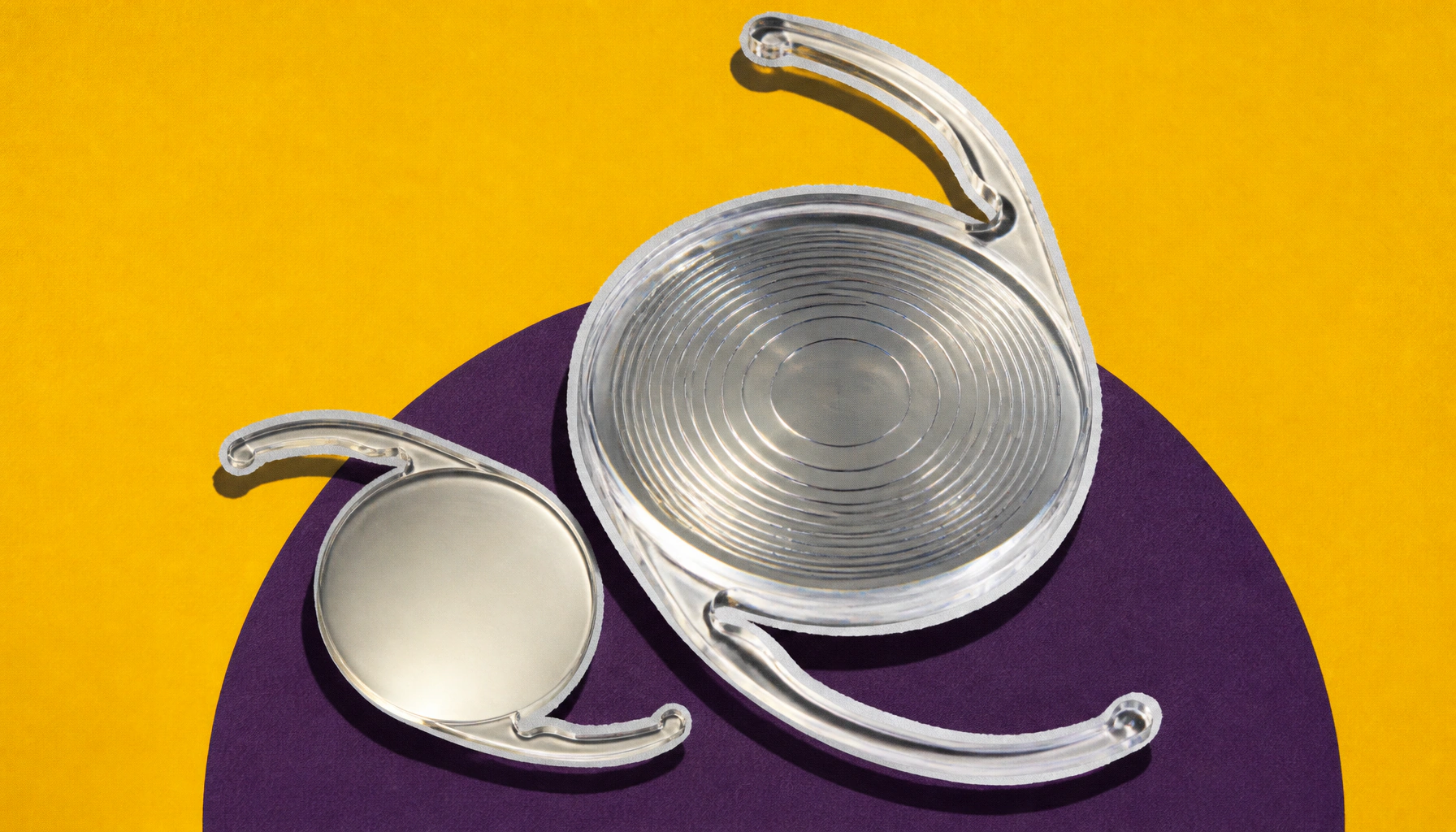
Mixing different intraocular lens (IOL) types during cataract surgery can deliver visual outcomes comparable to using the same lens in both eyes, a new study finds. Researchers compared five IOL implantation strategies across 156 patients and found similar visual acuity and contrast sensitivity across groups. The mix-and-match approach may be especially useful for patients with asymmetric eye conditions or unique visual needs.
Mixing lens types in cataract surgery is a viable option — with some caveats
A prospective multicenter study published in the Journal of Refractive Surgery found that mix-and-match intraocular lens (IOL) strategies — pairing different lens types between eyes — can deliver binocular visual acuity, contrast sensitivity, and overall visual quality on par with implanting the same multifocal IOL in both eyes. The study followed 156 cataract surgery patients across five IOL strategy groups over six months.
While most visual outcomes were comparable, monofocal-multifocal combinations did show some trade-offs: lower stereoacuity at intermediate and near distances compared to bilateral multifocal pairings. Bilateral trifocal IOLs also edged out mixed strategies on depth perception and diplopia symptoms, though they were more associated with halos post-surgery.
By the Numbers
Why it matters: For patients with asymmetric eye conditions or specific visual demands, mix-and-match IOL strategies offer a flexible, effective alternative to standard bilateral implantation — as long as patients are counseled on potential compromises in near and intermediate vision.