Loading Curie Briefs...
Getting the latest healthcare news for you
Getting the latest healthcare news for you

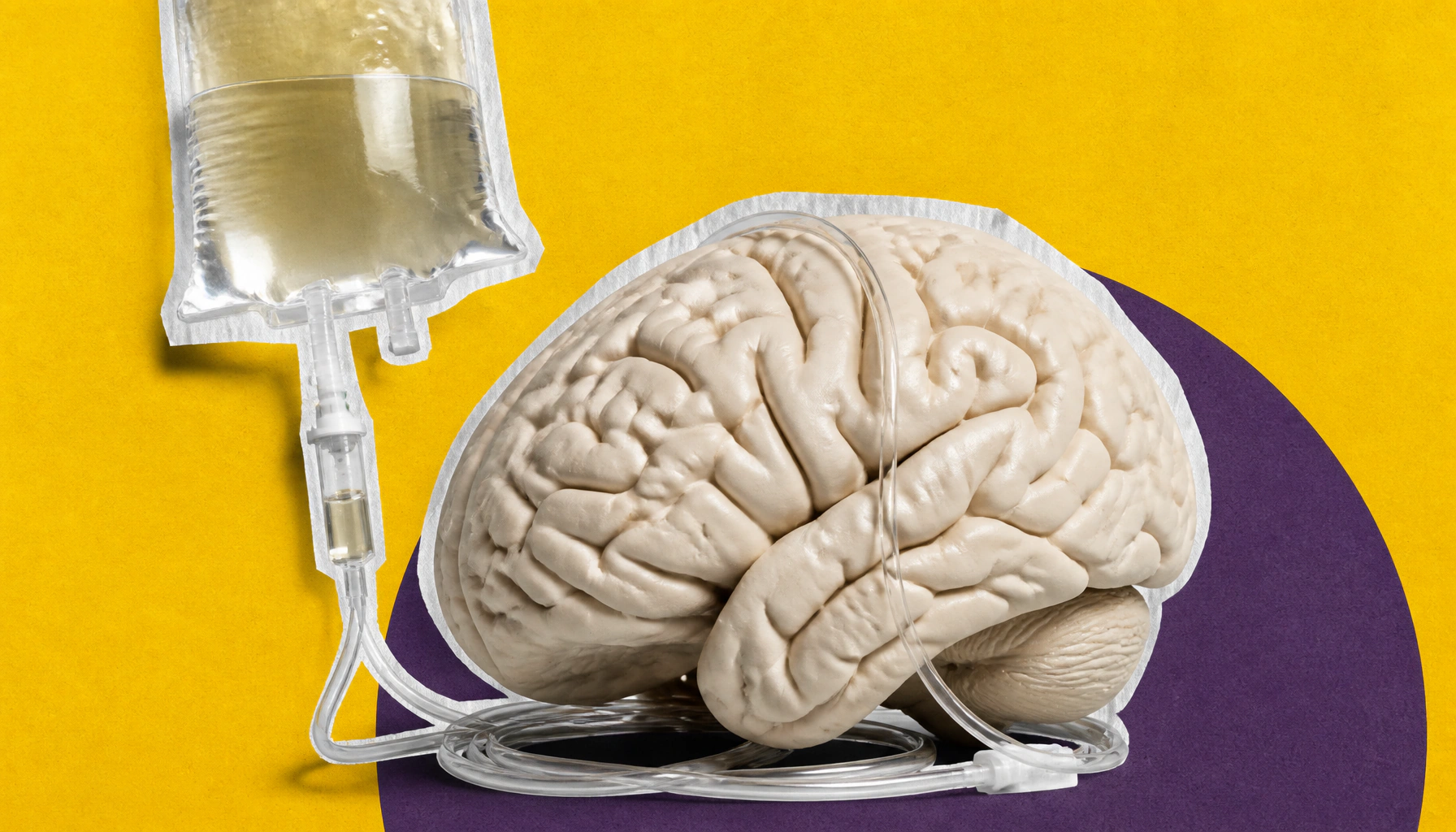
The brain and immune system are more connected than we thought — and rheumatologists need to catch up. A new editorial argues that neuroimmunology is no longer a niche field but an essential competency for rheumatologists, given how deeply neural and immune pathways intersect in conditions like RA, fibromyalgia, lupus, and depression. From vagus nerve stimulation to IL-6's role in mood disorders, the evidence is hard to ignore.
Rheumatology has long been at the forefront of clinical immunology — from gold salts to biologics to CAR-T therapies. But according to a new editorial by Dr. Leonard Calabrese, the field's next frontier isn't a new drug class. It's neuroimmunology: the science of how the nervous and immune systems continuously communicate with each other.
The argument is compelling. Decades of research show bidirectional communication between the brain and immune system, influencing everything from pain processing to mood to disease flares. Emerging concepts like immunoception — where neural circuits can reactivate immune responses without a new antigen — are challenging long-held assumptions about immune memory. Meanwhile, conditions like nociplastic pain and depression are increasingly understood through a neuroinflammatory lens, with glial cell activation and cytokines like IL-6 playing central roles.
Key Takeaways:
Why it matters: For rheumatologists managing patients with chronic pain, mood disorders, and complex inflammatory disease, understanding the brain-immune axis isn't academic — it directly shapes how symptoms are interpreted and how treatment is designed. Neuroimmunology is fast becoming a clinical necessity, not a curiosity.