Loading Curie Briefs...
Getting the latest healthcare news for you
Getting the latest healthcare news for you

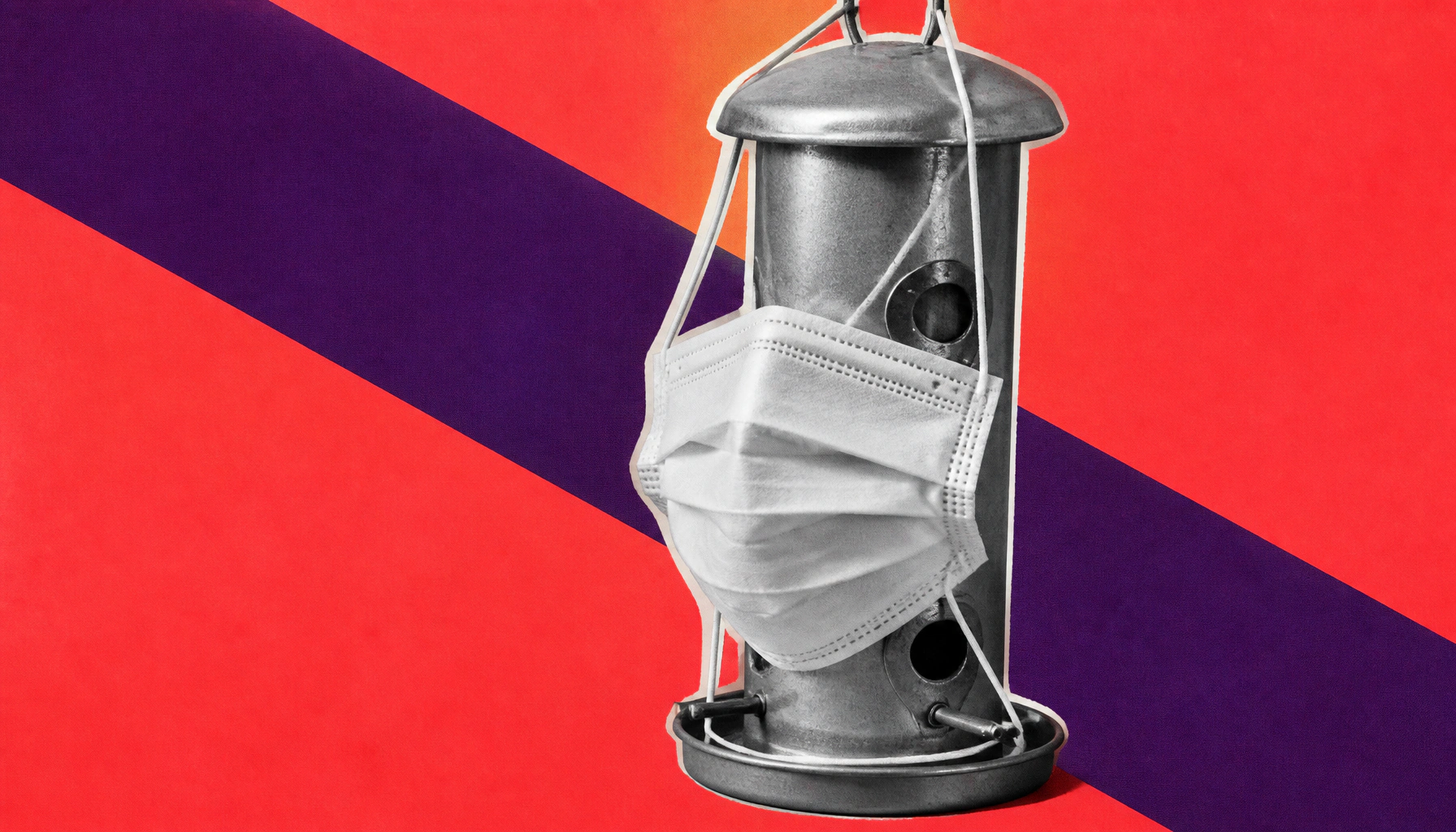
That innocent bird feeder in your backyard? It might be a disease hotspot. As H5N1 bird flu spreads across Australia — killing over 1,000 crested terns and even a mainland mammal — experts warn that backyard feeding draws mixed bird species together in unnatural numbers, accelerating transmission. The safest move is to stop feeding altogether, but if you can't quit, feed less, skip hand-feeding, and clean everything with bleach.
That innocent bird feeder in your backyard? It might be a disease hotspot. As H5N1 bird flu spreads across Australia — killing over 1,000 crested terns and a long-nosed fur seal (the first detection in a mainland mammal) — experts are raising alarms about a surprisingly common habit: backyard bird feeding. About half of Australian households feed wild birds, many doing so daily.
The problem is that feeders attract a mix of bird species in combinations that would never occur naturally, creating ideal conditions for H5N1 to jump between animals. Scavengers like foxes, possums, and crows can also pick up the virus from infected carcasses nearby. While human infection remains rare and typically mild, close contact with infected birds — such as hand-feeding — still carries risk.
Key Takeaways:
Why it matters: With roughly half of Australian households participating in backyard bird feeding, this everyday habit has the potential to amplify a deadly outbreak at scale — threatening already endangered species and creating new exposure risks for wildlife carers, vets, and the general public.