Loading Curie Briefs...
Getting the latest healthcare news for you
Getting the latest healthcare news for you

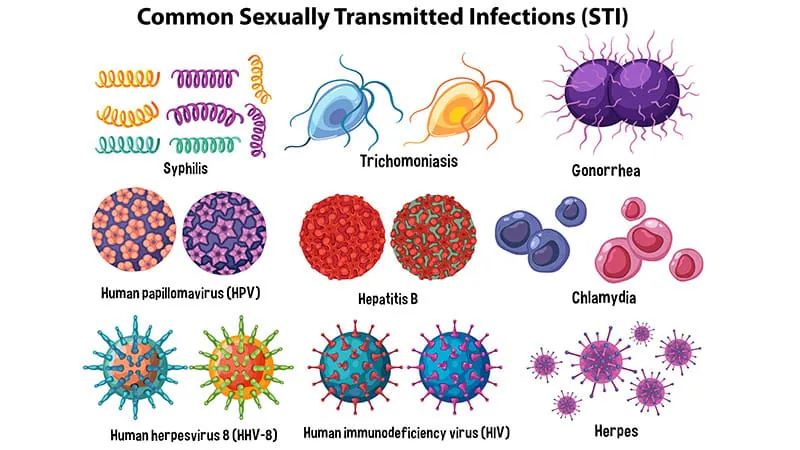
Doxycycline post-exposure prophylaxis (DoxyPEP) cut overall STI rates by 67% at a North Carolina HIV/PrEP clinic, with chlamydia down 80% and syphilis nearly eliminated — results that closely mirror clinical trial data. But a separate California study sounds an alarm: DoxyPEP's effectiveness against gonorrhea has rapidly faded, dropping to near zero within a year of statewide rollout, likely driven by rising tetracycline resistance genes.
DoxyPEP delivers real-world STI protection — with an asterisk on gonorrhea
A retrospective study of 380 HIV and PrEP patients at a North Carolina academic clinic found that DoxyPEP — taking a doxycycline dose within 72 hours of unprotected sex — slashed overall STI incidence by 67%, from 57 to 19 cases per 100 person-years. Crucially, testing rates didn't change before or after implementation, ruling out surveillance bias. The benefits held even for patients without a recent STI history, suggesting DoxyPEP may work across a broader risk spectrum than originally trialed.
But a concurrent California study published in The Lancet Infectious Diseases adds a critical caveat: while DoxyPEP remains highly effective against chlamydia (66.5%) and syphilis (60.7%), its effectiveness against gonorrhea has collapsed — dropping from 42% early in statewide rollout to essentially zero within a year. The culprit appears to be a rapid rise in tetM resistance genes in gonorrhea strains, accelerating even with relatively modest DoxyPEP uptake.
By the numbers
Why it matters: DoxyPEP is a powerful tool against the surging STI epidemic, especially for syphilis and chlamydia. But the rapid erosion of gonorrhea protection — tied to antibiotic resistance — is a warning sign that expanded use must be paired with robust resistance surveillance and stewardship strategies.


