Loading Curie Briefs...
Getting the latest healthcare news for you
Getting the latest healthcare news for you

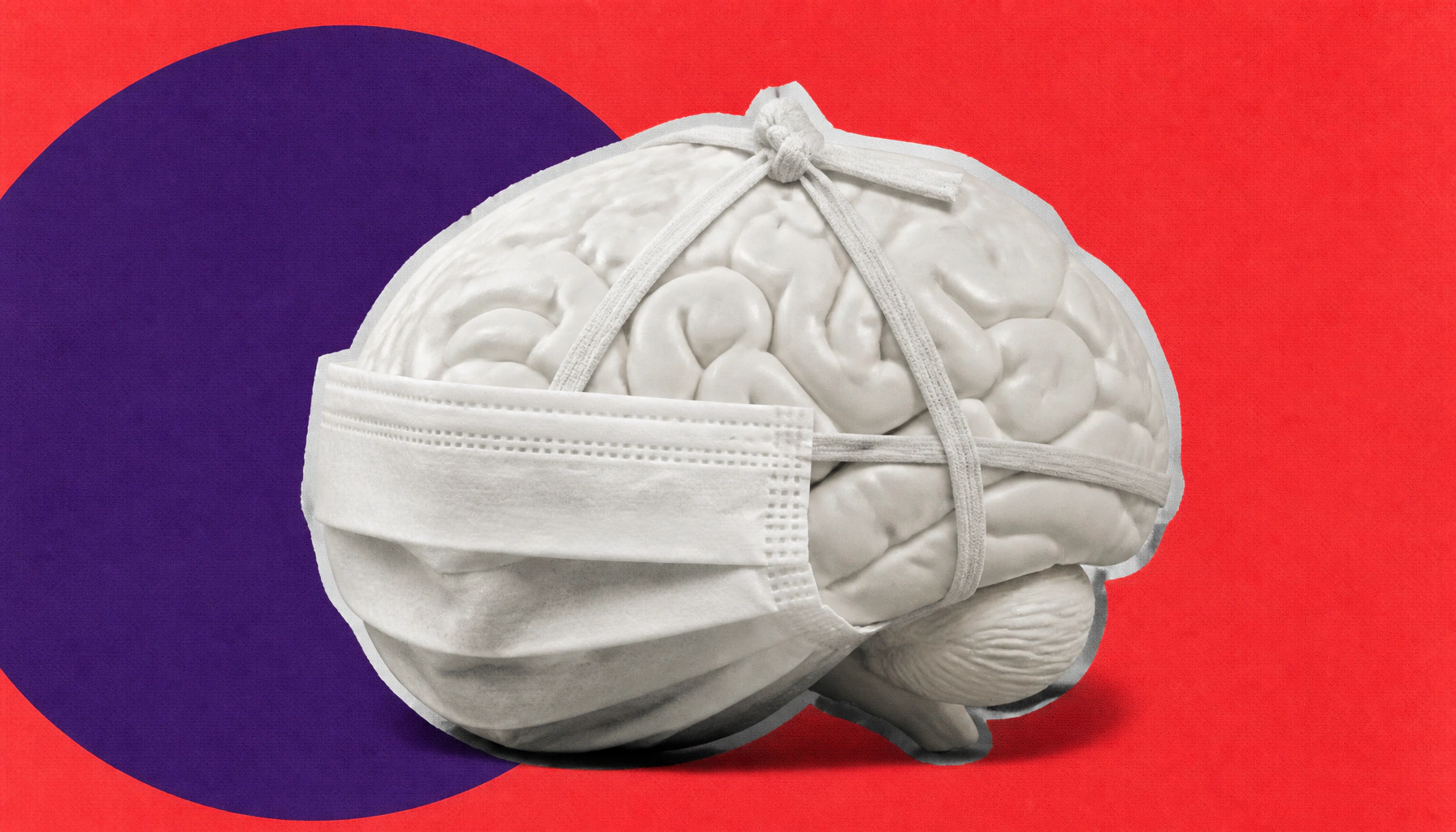
Infections during pregnancy or early childhood are linked to a higher risk of ADHD, autism, and psychosis, according to a new meta-analysis. Researchers analyzed data from 75 studies and found that both prenatal and childhood infections — bacterial and viral — meaningfully elevated psychiatric risk. The findings point to immune activation during key developmental windows as a likely driver.
A large systematic review and meta-analysis published in Neuroscience and Biobehavioral Reviews found that infections during pregnancy or childhood (up to age 12) are associated with a significantly increased risk of developing psychiatric disorders, including ADHD, autism spectrum disorder (ASD), and psychotic disorders. Researchers analyzed 75 studies covering tens of millions of participants, making this one of the most comprehensive looks at the infection-psychiatry link to date.
The type and timing of infection mattered. Prenatal bacterial infections were tied to ADHD and ASD, while prenatal viral infections — especially in the first trimester — were more strongly linked to psychotic disorders. Childhood bacterial infections were associated with both ADHD and ASD, suggesting that immune activation at multiple early-life stages can shape long-term mental health trajectories.
By the Numbers
Why it matters: These findings reinforce the idea that the immune system plays a critical role in brain development. For clinicians, it highlights the importance of monitoring children with significant early infection histories for emerging psychiatric symptoms — and opens the door to potential preventive strategies targeting early immune dysregulation.