Loading Curie Briefs...
Getting the latest healthcare news for you
Getting the latest healthcare news for you

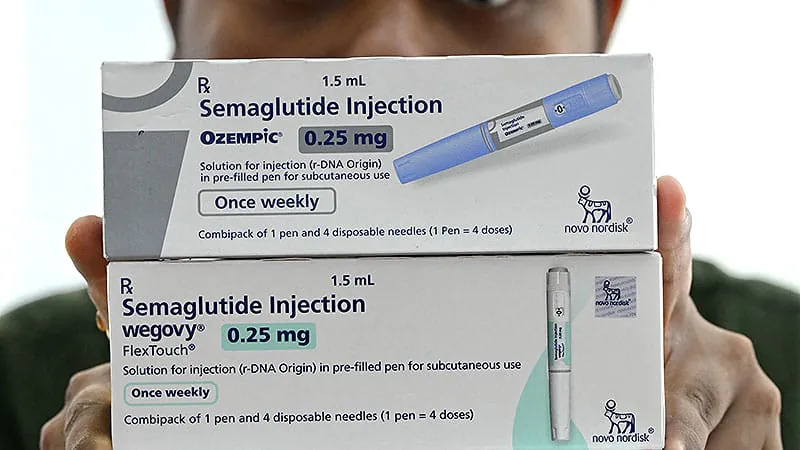
A remote obesity medication program led by pharmacists and patient navigators — no doctor required — showed promising results among 75 adults, with all completers reporting progress toward weight goals. But drug shortages, insurance gaps, and prior authorization paperwork proved to be the real obstacles. Two-thirds of completers preferred remote care over in-person visits.
A fully remote obesity medication management program called SAIL (Supplementary Anti-Obesity Medication Integration into a Longitudinal Obesity Study) enrolled 75 adults with overweight or obesity, using pharmacists and non-clinical patient navigators — rather than physicians — to initiate and manage weight-loss medications, including GLP-1 receptor agonists. The model proved feasible, with all 12 program completers who responded to an exit survey reporting that the program helped them advance their weight-related goals, and 67% preferring remote care over in-person visits.
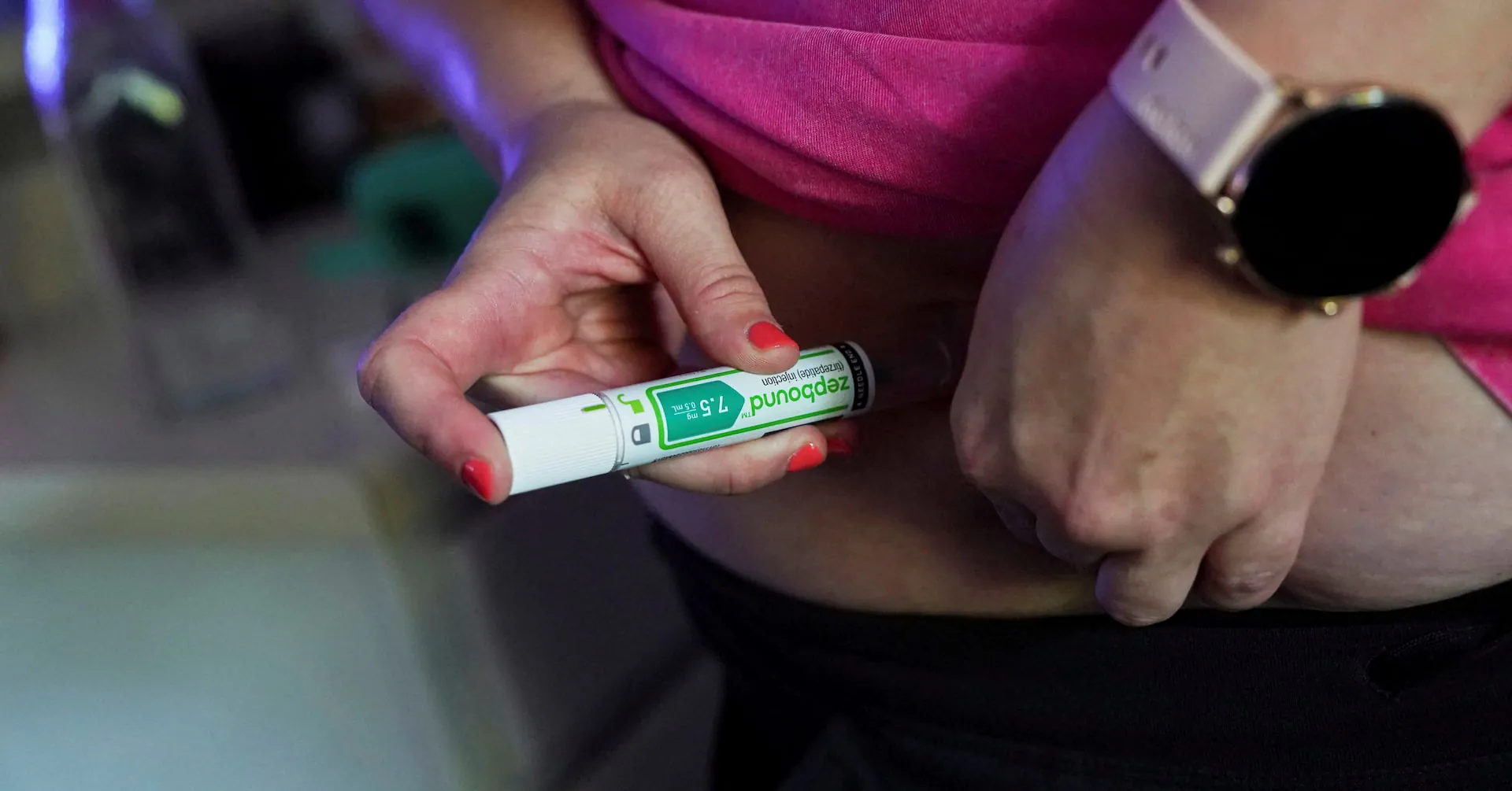
However, the program hit significant real-world roadblocks. Severe drug shortages forced staff to make extensive calls to local pharmacies, while the prior authorization process created a heavy administrative burden — pharmacists spent anywhere from 3 to 90 minutes per authorization, with up to five required per patient for dose escalations. Patient education also demanded considerable time, with navigators conducting 15–20 minute sessions on injection technique, storage, and side effects.
Key Takeaways:
Why it matters: As demand for obesity medications surges, this model offers a scalable blueprint for expanding access — but systemic fixes around drug availability and insurance coverage are essential before it can reach its full potential.