Loading Curie Briefs...
Getting the latest healthcare news for you
Getting the latest healthcare news for you

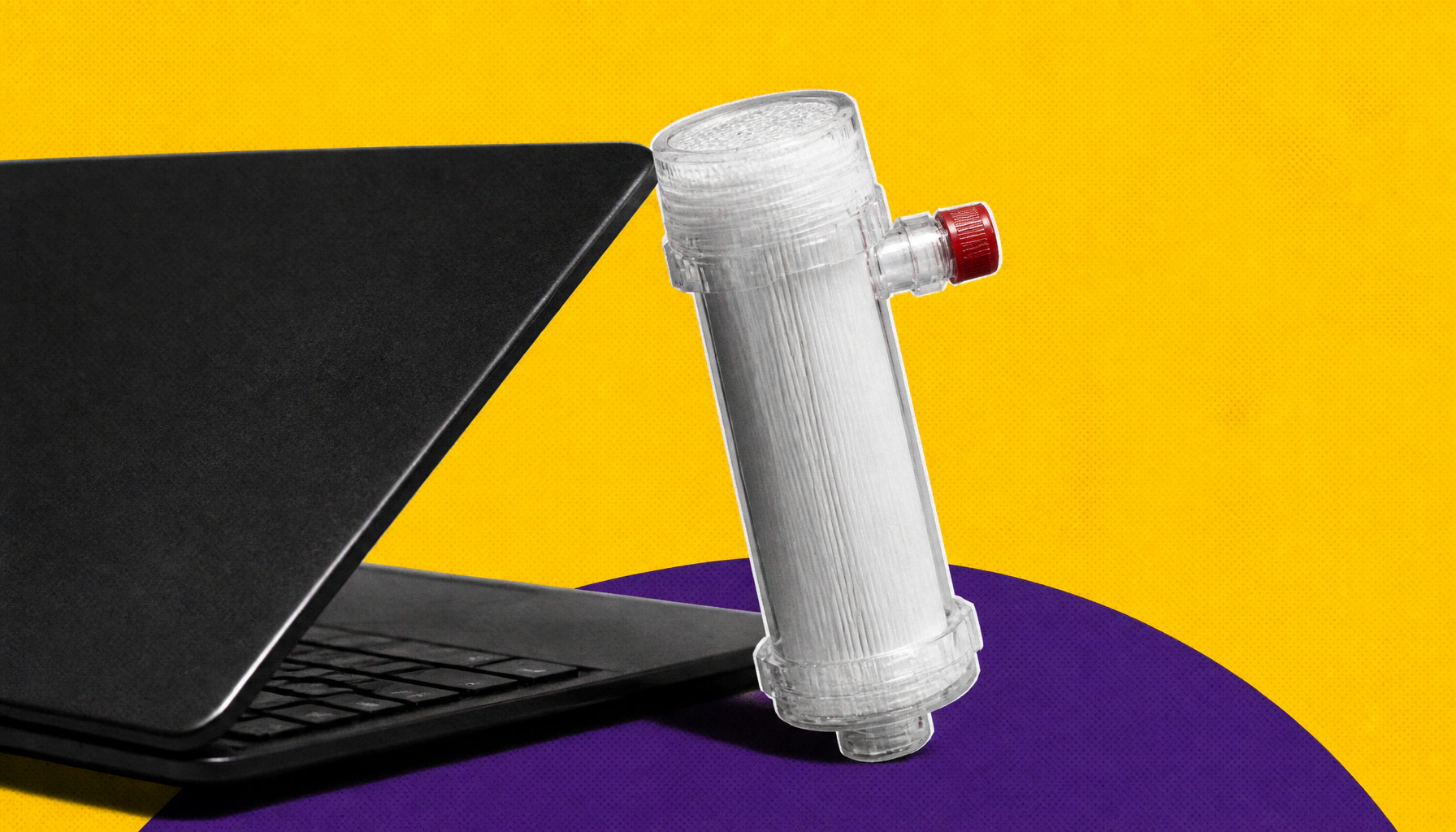
U.S. dialysis is on the cusp of a major transformation. A leading nephrologist outlines 10 predictions for kidney care by 2030, from AI-powered home dialysis and expanded use of hemodiafiltration to later treatment initiation and more personalized, patient-centered decision-making. The biggest shift? Moving from standardized "one-size-fits-all" dialysis to choosing the right therapy, at the right time, for the right patient.
The U.S. End-Stage Renal Disease (ESRD) program has sustained millions of lives since Congress extended Medicare coverage to kidney failure patients in 1972 — but the system has been slow to evolve. Now, a convergence of new technologies, AI, and shifting patient demographics may finally be pushing dialysis care into a new era.
UCLA nephrologist Dr. Kamyar Kalantar-Zadeh offers 10 predictions for how U.S. dialysis will change by 2030. Key forecasts include growing adoption of hemodiafiltration (HDF) and expanded hemodialysis (HDX), increased focus on middle-molecule clearance (tracked via beta2-microglobulin), and AI entering the home dialysis space to personalize prescriptions and predict complications. Meanwhile, drugs like SGLT2 inhibitors and GLP-1 receptor agonists are expected to slow CKD progression, keeping the overall dialysis population relatively flat.
Key Takeaways:
Why it matters: For the first time in decades, dialysis care may shift from a rigid, standardized model to one that is truly individualized — guided by patient goals, clinical trajectory, and AI. But reimbursement gaps and logistical barriers could slow how quickly these advances reach patients in routine practice.


