Loading Curie Briefs...
Getting the latest healthcare news for you
Getting the latest healthcare news for you

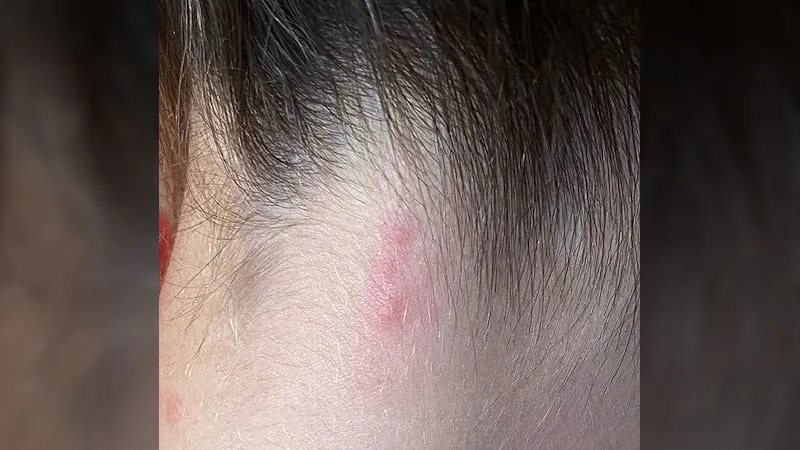
From bedbugs to tick-borne illnesses, insect bites are showing up more often in clinics — and they're not always what they seem. Warming temperatures are expanding insect ranges, making accurate diagnosis more critical than ever. Dermatologists share key clinical pearls on identifying, differentiating, and treating a wide range of arthropod-related skin conditions.
As temperatures rise and travel picks up, dermatologists are fielding more insect bite cases — and the stakes are higher than a little itch. Many bites trigger hypersensitivity reactions to arthropod saliva, making it difficult to pinpoint the culprit. Misdiagnosis can lead to unnecessary biopsies or inappropriate treatments, while missing the real cause — like MRSA mimicking a bug bite — can have serious consequences.
Tick-borne diseases are among the fastest-growing vector-borne threats in North America, with Lyme disease, Southern Tick-Associated Rash Illness, and the emerging alpha-gal syndrome all on the radar. Meanwhile, scabies, head lice, and bedbugs continue to resurge globally, and travel-associated conditions like leishmaniasis and myiasis are increasingly relevant in a mobile world.
Key Takeaways:
Why it matters: With climate change expanding insect habitats, clinicians across specialties will encounter these presentations more frequently. Accurate identification can prevent unnecessary treatments, catch serious infections early, and guide appropriate prophylaxis.


