Loading Curie Briefs...
Getting the latest healthcare news for you
Getting the latest healthcare news for you

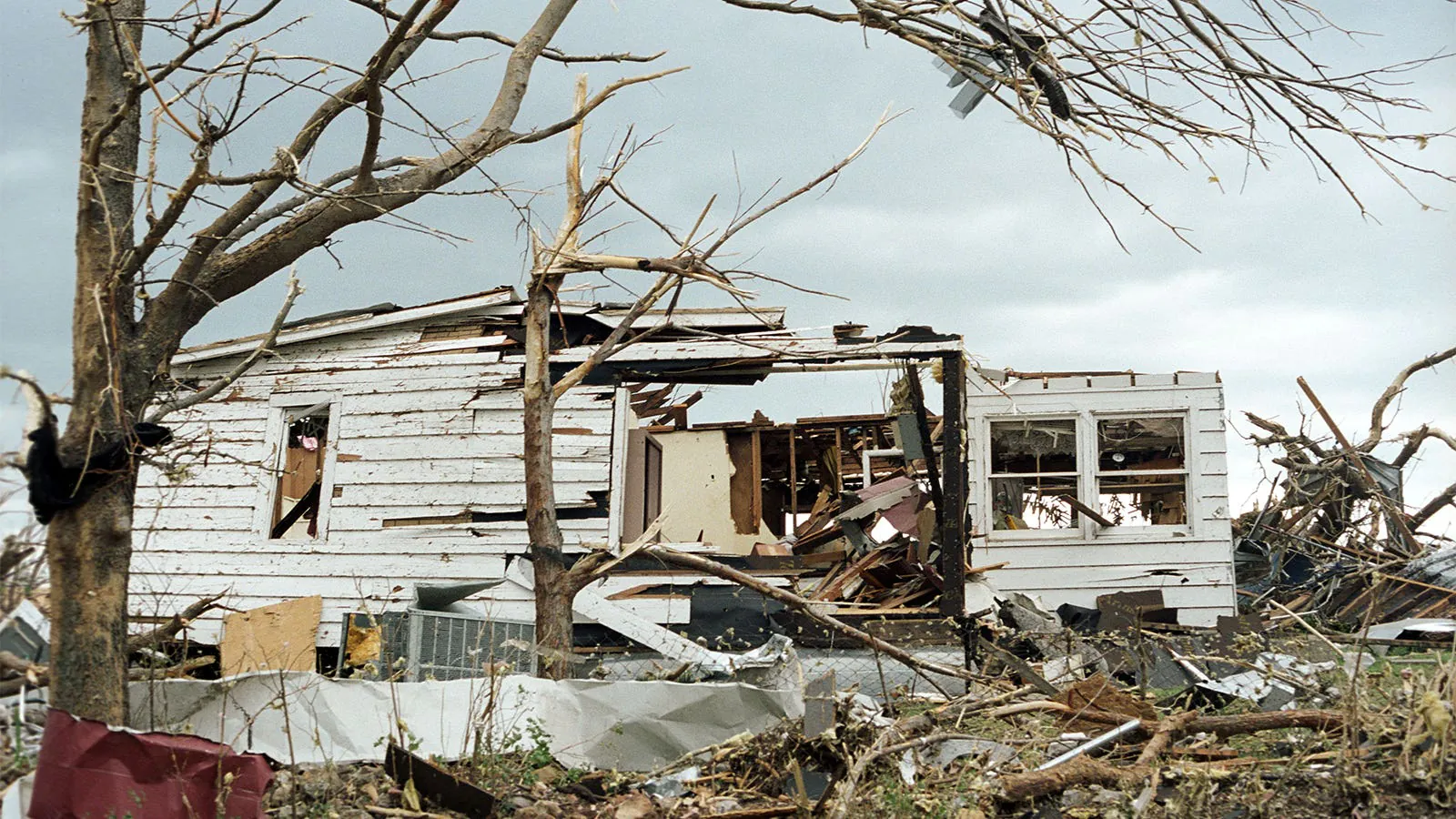
When disasters strike, psychiatric patients are often left behind. Floods, wildfires, and power outages can shut down pharmacies and cancel appointments in an instant — turning a manageable condition into a full-blown crisis. A psychiatry resident is calling on clinics to build medication continuity into every emergency plan, especially for vulnerable patients who can't easily pivot when the system breaks down.
When disaster strikes, the standard prep list — water, food, flashlight — rarely includes psychiatric medication. But for millions of people living with bipolar disorder, schizophrenia, severe depression, PTSD, or anxiety, a missed dose isn't a minor inconvenience. It can spiral into a medical emergency. Psychiatry resident Dr. Sylvanus Teboh is sounding the alarm: mental health treatment needs to be built into disaster preparedness plans, not treated as an afterthought.
The problem is compounded by inequality. Wealthier patients can evacuate early, pay for early refills, or find another pharmacy. But people living paycheck to paycheck, those experiencing homelessness, patients with limited English, or those without reliable transportation face a much steeper cliff when the system goes down. Climate change is making these disruptions more frequent and more severe — meaning the stakes keep rising.
Key Takeaways:
Why it matters: We already plan for patients who need oxygen, dialysis, or insulin during emergencies. Mental health treatment deserves the same urgency — and the same infrastructure.


