Loading Curie Briefs...
Getting the latest healthcare news for you
Getting the latest healthcare news for you

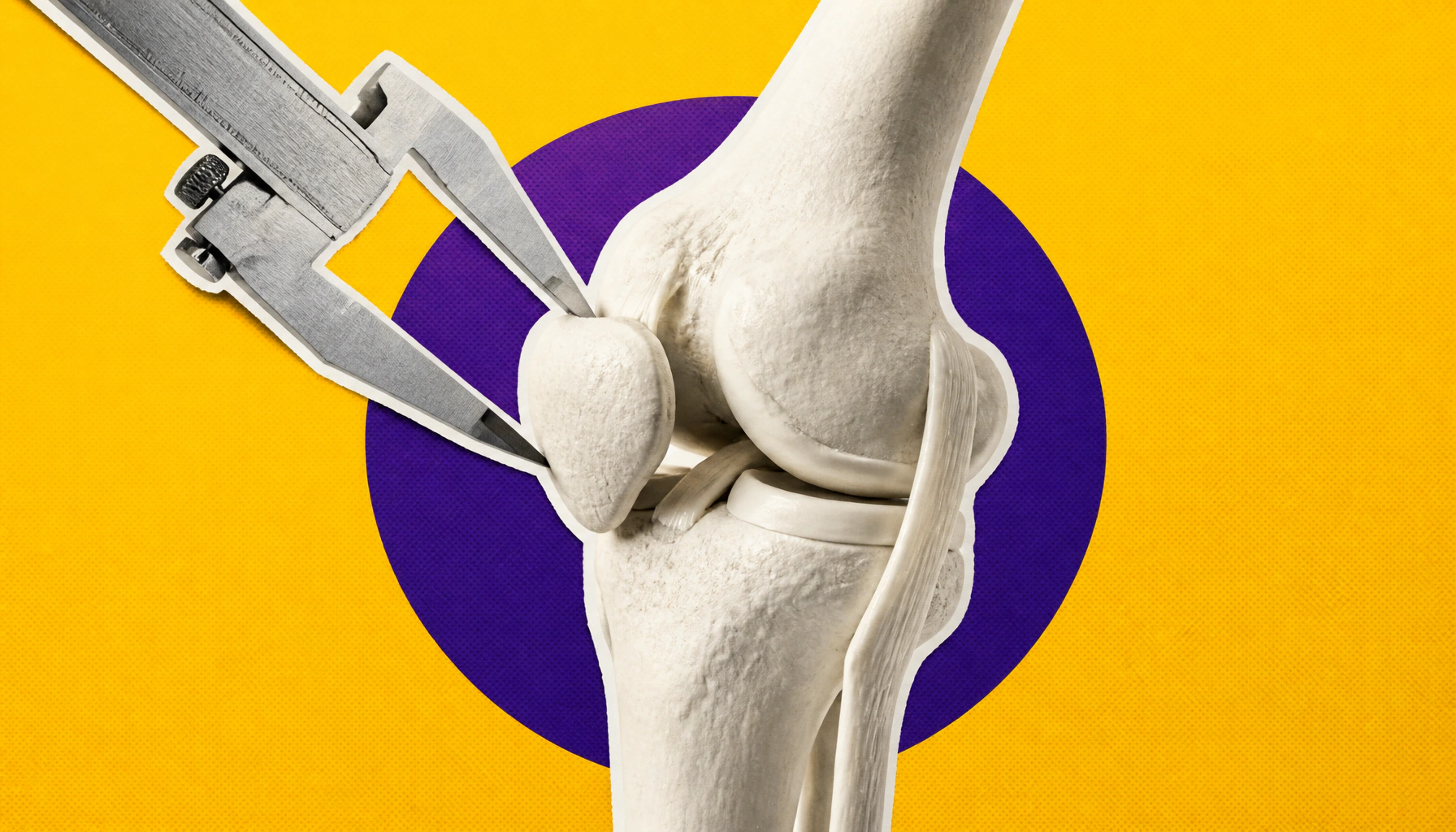
Calling it "patellofemoral syndrome" may be doing patients a disservice. Orthopedic experts argue the label is too vague, masking a wide range of distinct structural, biomechanical, and psychosocial causes that each demand tailored treatment. A more precise diagnosis — asking why this knee hurts in this person — is the key to better outcomes.
"Patellofemoral syndrome" is a diagnosis that tells you almost nothing. Orthopedic specialists argue that the term merely points to an anatomic region rather than a root cause. Pain and instability around the kneecap can stem from vastly different sources — retinacular irritation, lateral overload, fat pad pathology, trochlear dysplasia, hip muscle weakness, or even psychological factors like fear and catastrophizing. Lumping them under one label leads to generic, one-size-fits-all treatment that often misses the mark.
The call is for a more individualized, biopsychosocial approach: thorough history-taking, physical exam, imaging, and attention to the full kinetic chain — from trunk neuromuscular control down to foot mechanics. Emerging tools like motion analysis, electromyography, and 3D-printed patient-specific models are helping clinicians visualize complex anatomy and movement dysfunction, though clinical reasoning remains paramount.
Key Takeaways:
Why it matters: With knee pain among the most common musculoskeletal complaints, moving beyond a vague syndrome label toward precise, individualized diagnosis could meaningfully improve patient outcomes and reduce unnecessary or misdirected treatment.