Loading Curie Briefs...
Getting the latest healthcare news for you
Getting the latest healthcare news for you

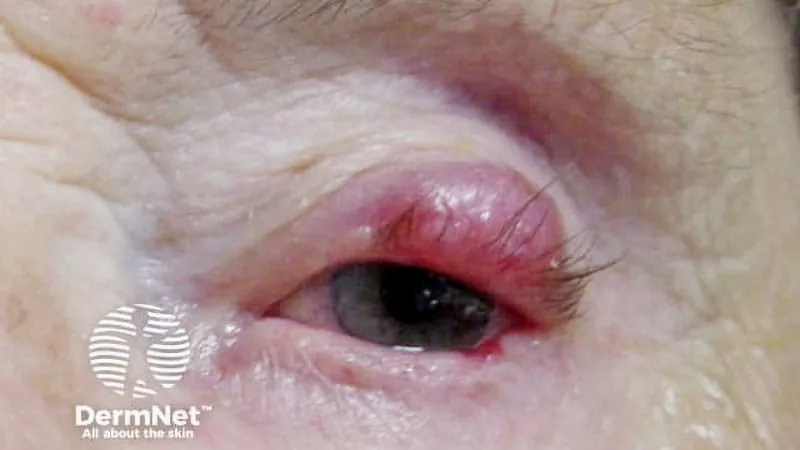
A small study found that circulating tumor DNA (ctDNA) testing could flag Merkel cell carcinoma recurrence earlier than standard imaging. Among patients who tested ctDNA-positive after surgery, over 80% went on to experience a recurrence — and higher ctDNA levels correlated with faster relapse. Researchers say ctDNA could become a valuable addition to routine post-surgical surveillance.
A new study published in the Journal of the American Academy of Dermatology suggests that a blood-based test measuring circulating tumor DNA (ctDNA) could help detect Merkel cell carcinoma (MCC) recurrence earlier than traditional imaging and clinical assessments. MCC is a rare but aggressive skin cancer, and catching recurrence early is critical for improving outcomes.
In the study of 36 post-surgical MCC patients followed over a median of 48 months, nearly half tested ctDNA-positive after surgery — and the vast majority of those patients went on to experience a recurrence. Conversely, 85% of patients without recurrence stayed ctDNA-negative throughout follow-up. Two patients even showed ctDNA levels drop to undetectable after starting adjuvant therapy, hinting at ctDNA's potential as a real-time marker of treatment response.
By the Numbers:
Why it matters: For a cancer as aggressive as MCC, earlier detection of recurrence could open a critical window for intervention. Integrating ctDNA testing into standard surveillance protocols may give clinicians a powerful, minimally invasive tool to act sooner.